
Technology
158.63.258.200: Common Issues Associated with IP Address


The topic of 158.63.258.200 highlights how a simple numerical label can create complex technical and security challenges. An IP address functions as a unique identifier that enables devices to communicate over the internet, yet problems connected to a specific address such as 158.63.258.200 can range from configuration errors to cybersecurity threats. Understanding these issues is essential for businesses, IT professionals, and even everyday users who rely on stable internet connectivity.
Understanding 158.63.258.200: Common Issues Associated with IP Address in Networking Context
When examining 158.63.258.200: Common Issues Associated with IP Address, it is important to first understand what an IP address represents. Internet Protocol addresses are numerical identifiers assigned to devices connected to a network. They allow routers and servers to send and receive data efficiently. IP addresses are divided into IPv4 and IPv6 formats. The address 158.63.258.200 appears to follow the IPv4 structure, which typically contains four octets separated by periods. However, each octet must range between 0 and 255. If an address contains a number exceeding that range, it becomes invalid and may lead to connectivity failures or misrouting of traffic. This technical detail is often at the core of configuration errors and misunderstandings.
The following table illustrates the structure of IPv4 addresses and valid ranges:
| Octet Position | Minimum Value | Maximum Value | Example Valid Entry |
|---|---|---|---|
| First Octet | 0 | 255 | 158 |
| Second Octet | 0 | 255 | 63 |
| Third Octet | 0 | 255 | 200 |
| Fourth Octet | 0 | 255 | 100 |
Understanding these ranges clarifies why some IP-related issues occur in real-world scenarios.
Technical Errors in 158.63.258.200: Common Issues Associated with IP Address
Technical errors form a major part of 158.63.258.200: Common Issues Associated with IP Address. Incorrect configuration in routers, servers, or firewalls can prevent proper communication between devices. If a system attempts to use an invalid or misconfigured address, packets may be dropped before reaching their destination. Network administrators often encounter DNS misalignment when an IP address does not correctly correspond with its domain record. This mismatch can cause websites to fail loading or trigger security warnings. Another technical challenge arises from subnetting mistakes. When network masks are improperly configured, devices may not recognize each other within the same local network.
The table below presents common technical problems linked to IP configuration:
| Issue Type | Description | Impact on Network |
|---|---|---|
| Invalid Octet Value | Number exceeds 255 range | Connection fails |
| DNS Mismatch | IP does not match domain record | Website errors |
| Subnet Misconfiguration | Incorrect network segmentation | Limited access |
| Routing Loop | Data repeatedly cycles without reaching target | Slow performance |
These issues highlight how a minor numerical error can escalate into significant operational disruption.
Security Risks in 158.63.258.200: Common Issues Associated with IP Address
Security concerns represent another critical dimension of 158.63.258.200: Common Issues Associated with IP Address. Cyber attackers frequently exploit exposed IP addresses to launch unauthorized access attempts, distributed denial-of-service attacks, or phishing campaigns. When an IP address becomes publicly visible, it can serve as a target for automated bots scanning for vulnerabilities. If firewall protections are weak or outdated, malicious actors may exploit open ports. Additionally, IP spoofing can occur when attackers disguise their identity by falsifying the source address of data packets.
A deeper look at common security-related challenges is shown below:
| Security Threat | Explanation | Possible Consequence |
|---|---|---|
| DDoS Attack | Overwhelming traffic floods target server | Service outage |
| IP Spoofing | Fake address used to mask attacker identity | Data breach |
| Port Scanning | Automated search for open network ports | Vulnerability exposure |
| Blacklisting | IP flagged for suspicious activity | Blocked access |
Security monitoring tools and proper configuration significantly reduce these risks.
Geolocation Complications in 158.63.258.200: Common Issues Associated with IP Address
Geolocation confusion is frequently discussed in 158.63.258.200: Common Issues Associated with IP Address. Many services attempt to identify a user’s physical location based on their IP address. However, this mapping is not always accurate. Inaccurate geolocation can affect online advertising, content restrictions, and fraud detection systems. Businesses that rely on precise location data may face compliance issues if customers are incorrectly categorized. Furthermore, shared IP addresses used by Internet Service Providers can attribute activity to the wrong individual.
The following comparison shows how geolocation inaccuracies may influence services:
| Service Type | Role of IP Location | Effect of Incorrect Data |
|---|---|---|
| Streaming Platforms | Restrict content by region | Blocked access |
| E-commerce | Fraud detection | False transaction alerts |
| Online Advertising | Targeted ads | Irrelevant campaigns |
| Cybersecurity Systems | Suspicious login detection | Account lockouts |
Understanding the limitations of IP-based geolocation helps mitigate unnecessary disruptions.
Network Performance Issues in 158.63.258.200: Common Issues Associated with IP Address
Performance-related challenges are also associated with 158.63.258.200: Common Issues Associated with IP Address. Congested routing paths or overloaded servers can degrade data transmission speed. When traffic routing is inefficient, latency increases and user experience declines. Bandwidth throttling by service providers may also impact the responsiveness of an IP-based service. In enterprise networks, poorly optimized routing tables can slow communication between internal systems.
The relationship between performance and IP configuration can be summarized in this table:
| Performance Factor | Description | Result |
|---|---|---|
| High Latency | Delay in packet delivery | Slow loading times |
| Packet Loss | Data not reaching destination | Interrupted sessions |
| Bandwidth Limitation | Restricted data flow | Reduced streaming quality |
| Routing Inefficiency | Suboptimal path selection | Increased response time |
Proper monitoring tools allow administrators to detect and correct these problems quickly.
Troubleshooting 158.63.258.200: Common Issues Associated with IP Address
Troubleshooting remains a central theme within 158.63.258.200: Common Issues Associated with IP Address. Diagnostic commands such as ping and traceroute help identify whether an address is reachable and how data travels through the network. System administrators may review firewall logs to determine whether incoming connections are being blocked. Verifying DNS entries ensures that domain names correctly point to intended addresses. Updating firmware and applying security patches also reduces vulnerabilities that might otherwise affect the stability of the system.
An overview of common troubleshooting tools is provided below:
| Tool | Purpose | Outcome |
|---|---|---|
| Ping | Tests connectivity | Confirms reachability |
| Traceroute | Maps packet path | Identifies routing issues |
| NSLookup | Verifies DNS records | Detects mismatches |
| Firewall Log Review | Checks blocked traffic | Reveals suspicious attempts |
Consistent monitoring helps maintain long-term network reliability.
Legal and Compliance Aspects in 158.63.258.200: Common Issues Associated with IP Address
Legal considerations form another layer of 158.63.258.200: Common Issues Associated with IP Address. IP addresses are often treated as personal data under privacy regulations because they can be linked to individuals. Organizations must manage IP logs responsibly and comply with data protection laws. If an IP address is involved in suspicious online behavior, service providers may receive legal requests to identify the user. Failure to secure or properly document IP-related data can result in regulatory penalties. The compliance landscape varies across jurisdictions, making it essential for businesses to understand regional requirements.
Future Outlook on 158.63.258.200: Common Issues Associated with IP Address
The future of 158.63.258.200: Common Issues Associated with IP Address connects to the broader evolution of internet protocols. As IPv6 adoption increases, the limitations of IPv4 become more apparent. IPv6 offers expanded address space and enhanced security features, reducing the risk of exhaustion and improving routing efficiency. Transition mechanisms between IPv4 and IPv6 may temporarily create compatibility challenges. However, long-term improvements are expected to strengthen global connectivity and minimize technical constraints. Organizations that proactively upgrade infrastructure and train technical teams are better positioned to avoid persistent IP-related issues.
Conclusion
In conclusion, 158.63.258.200: Common Issues Associated with IP Address demonstrates how even a single IP entry can represent numerous technical, security, and compliance challenges. From configuration mistakes and DNS errors to geolocation inaccuracies and cybersecurity threats, IP addresses remain foundational yet complex components of digital communication. By understanding structural requirements, implementing robust security measures, and using effective troubleshooting tools, individuals and organizations can minimize disruptions. As internet technologies continue evolving, maintaining awareness of IP-related risks and solutions ensures smoother, safer connectivity in an increasingly digital world.
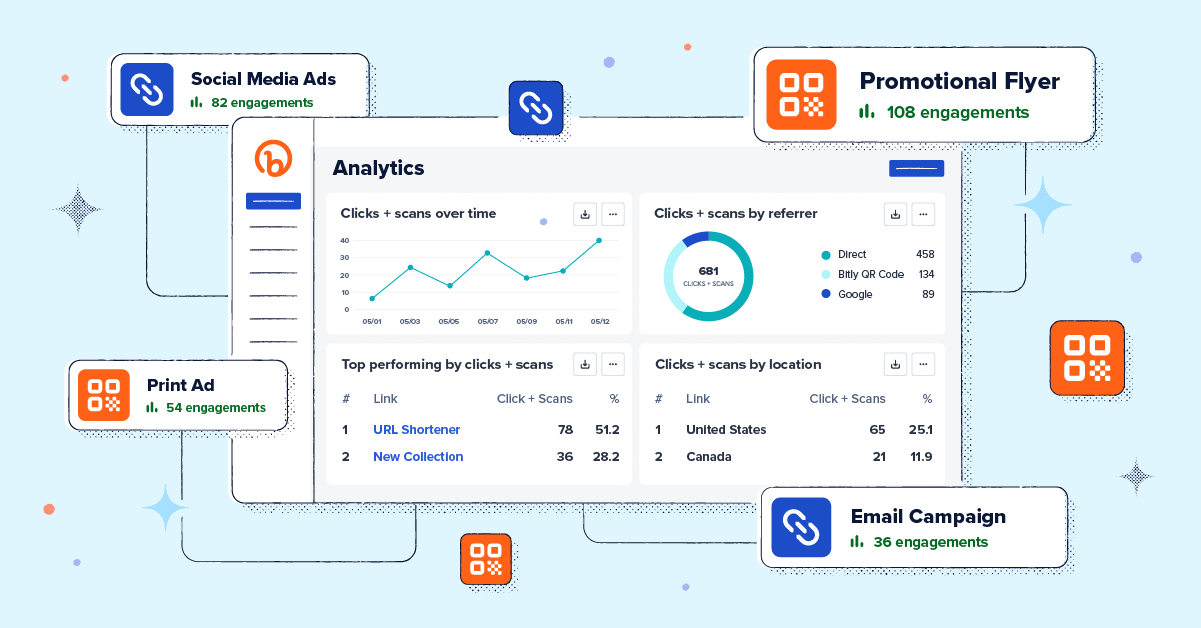
In the digital world, links are everywhere. They connect us to information, entertainment, and even products we didn’t know we needed. But what happens when those long URLs become cumbersome? Enter shortened URLs a sleek and efficient way to share links without the clutter. One of the most popular URL shorteners is Bitly, known for transforming lengthy web addresses into bite-sized versions like http://bit.ly/4fj3tf4.
But what lies behind this seemingly simple link? Why do millions rely on it every day? This blog post dives deep into the world of Bitly, exploring its history, functionality, benefits, and potential risks. Whether you’re a casual internet user or a savvy marketer looking to optimize your online presence, understanding tools like http://bit.ly/4fj3tf4 can enhance your digital experience significantly. Let’s unravel the mystery together!
What is http://bit.ly/4fj3tf4?
The URL http://bit.ly/4fj3tf4 is a shortened link created using Bitly, a popular URL shortening service. This specific link directs users to a longer, more complex web address while providing an easy-to-share option.
Shortened URLs like this one are widely used for convenience and aesthetics. They simplify lengthy links into manageable sizes that fit better in social media posts or text messages. For those who navigate the digital world daily, every character counts.
With just a glance at http://bit.ly/4fj3tf4, you might wonder what lies behind it. Bitly offers insights into the traffic generated by each link, making it not only user-friendly but also valuable for marketers looking to analyze engagement metrics. So why does this particular link matter? It’s part of the broader conversation about how we consume and share information online today.
The History of Bitly and Its Purpose
Bitly was founded in 2008 as a simple solution to a growing problem: lengthy URLs. As social media and online sharing gained momentum, users struggled with cumbersome links that cluttered their posts. Bitly emerged to streamline this process.
The platform’s primary goal was to create shorter, more manageable URLs without losing the original link’s integrity. This innovation allowed users to share content easily across various platforms while maintaining clarity.
Over time, Bitly evolved beyond just shortening links. It introduced analytics features that empower users to track engagement metrics. Marketers and brands quickly recognized its potential for measuring campaign effectiveness.
Today, Bitly serves millions of users worldwide, providing essential tools for sharing information efficiently in an increasingly digital world. Its adaptability has made it a staple for those who prioritize both brevity and data insight in their online interactions.
How Bitly Works: A Breakdown of the System
Bitly simplifies long URLs into short, manageable links. When you paste a lengthy web address into Bitly, the platform generates a unique identifier. This string of characters is what you see after “bit.ly/” in the shortened link. Every time someone clicks on a Bitly link, the system tracks that activity. It collects data on click rates and user engagement. Users can access this information through their Bitly dashboard.
The service uses redirection to lead users from the shortened URL back to its original destination. This process happens quickly, making it seamless for anyone clicking your link. Additionally, Bitly offers customization options for branding purposes. You can create custom short links that are easier to remember and share across various platforms.
Why People Use Bitly and Its Benefits
People turn to Bitly for numerous reasons. One of the main attractions is its ability to condense lengthy URLs into manageable links. This makes sharing content easier, especially on platforms with character limits.
Another significant benefit is tracking capabilities. Users can monitor how many clicks their links receive, providing invaluable insights into audience engagement and behavior. This data helps refine marketing strategies. Bitly also enhances branding opportunities. Customized short links allow businesses to incorporate their brand names, adding a professional touch that fosters trust among users.
Additionally, it offers seamless integration with various applications and social media platforms. This versatility ensures that users can share their content effectively across different channels without hassle. Bitly’s user-friendly interface simplifies the process for everyone from marketers to casual users making link shortening accessible to all types of internet users.
Potential Concerns and Risks with Using Bitly
Using Bitly, like any URL shortener, comes with potential concerns. One major issue is the lack of transparency. Users can’t see where a shortened link leads without clicking it. This can lead to unintentional exposure to malicious sites.
Another risk involves data privacy. When you use Bitly, your clicks and interactions are tracked. For those wary of data collection practices, this may raise eyebrows.
Additionally, links can expire or get deactivated if not used frequently enough. This could frustrate users who want consistent access over time. There’s the possibility of link hijacking. If a shortened URL gets popular and relevant information changes behind the scenes, users might find themselves directed elsewhere entirely—often without their consent or knowledge.
Alternative URL Shorteners to Consider
Exploring alternatives to Bitly can uncover some interesting options. TinyURL is one of the oldest players in this space, allowing users to create simple and effective shortened links with minimal fuss.
Rebrandly stands out for its customization features. Users can create branded short URLs that enhance their marketing efforts while maintaining a professional look. For those focused on analytics, Sniply offers unique tools. It not only shortens URLs but also allows users to add call-to-action buttons on shared links—great for driving traffic back to your site.
Another option worth mentioning is T2M. This tool provides robust tracking and offers QR code generation alongside link shortening, making it versatile for various campaigns. Each of these platforms has distinct benefits suited to different needs, so exploring them can lead you to the right fit for your URL shortening requirements.
Is Bitly Still Relevant in Today’s Digital Landscape?
Bitly remains a significant player in the digital landscape, even as new tools emerge. The need for concise links has not diminished; if anything, it has grown alongside social media and mobile platforms. In an age where space is limited, especially on platforms like Twitter or messaging apps, shortened URLs are invaluable. They save characters while still leading users to content-rich destinations.
Moreover, Bitly’s analytics feature allows marketers to track engagement effectively. Understanding user behavior through clicks can inform better strategies and drive traffic more efficiently. While alternatives exist, Bitly stands out due to its brand recognition and familiarity among users. It fosters trust when shared across various networks.
Yet challenges remain. As privacy concerns grow, some question how data from these services is used. Still, for many businesses and individuals looking for reliable link management solutions, Bitly continues to hold relevance today.
Conclusion
The URL http://bit.ly/4fj3tf4 is a prime example of this functionality. It serves as a gateway to content that might otherwise be cumbersome to share. To understand its significance, it’s essential to delve deeper into the history and workings of Bitly and similar services.
Bitly began with a simple idea: streamline link sharing for everyone from casual users to businesses aiming for more effective marketing strategies. Over time, http://bit.ly/4fj3tf4 it has carved out a niche in digital communication by offering analytics and customization options that enhance user experience.
How does Bitly function? When you enter a lengthy URL into their platform, they create a shortened version while retaining the original link’s destination behind the scenes. This process makes sharing on social media or via email much more efficient without losing track of where those clicks lead.
However, there are potential concerns when using shortening services like Bitly. Users may sometimes hesitate because they can’t identify what lies behind such compacted URLs at first glance—leading some individuals cautious about clicking them without context or prior trust established.
Welcome to the world of Tech Tales Pro Reed, where innovation meets imagination! In an age defined by rapid technological advancements, creativity can sometimes take a backseat. But what if we told you that there’s a way to fuse both worlds seamlessly? Tech Tales Pro Reed is leading the charge in this exciting journey, guiding creators and tech enthusiasts alike toward new horizons. Whether you’re a budding artist or a seasoned developer, understanding how to balance technology with creativity opens up endless possibilities. Let’s delve into what makes Tech Tales Pro Reed such an essential player in this dynamic landscape.
What is Tech Tales Pro Reed?
Tech Tales Pro Reed is an innovative platform designed to merge the worlds of technology and creativity. It provides a space where tech enthusiasts and creative minds can intersect, share ideas, and collaborate on projects.
At its core, Tech Tales Pro Reed emphasizes storytelling through technology. Users can explore various tools that enhance their creative processes while leveraging technological advancements. This unique blend encourages experimentation and pushes boundaries in both fields.
The platform also offers resources such as tutorials, workshops, and case studies. These materials help individuals understand how to utilize technology effectively in their artistic endeavors. With a community-driven approach, Tech Tales Pro Reed fosters connections among creators from different backgrounds.
By encouraging dialogue between tech-savvy innovators and imaginative thinkers, it opens doors for new possibilities. Those who engage with Tech Tales Pro Reed discover not just solutions but inspiration for their next big project or idea.
The Importance of Balancing Technology and Creativity
Balancing technology and creativity is essential in today’s fast-paced world. Technology offers tools that can enhance artistic expression, but it shouldn’t overshadow the creative process itself.
When technology dominates, it may stifle innovative thinking. This imbalance can lead to a rigid approach where ideas become formulaic rather than inspired. Creativity thrives on exploration and spontaneity.
On the flip side, embracing technological advancements allows artists to push boundaries. Digital platforms open up new avenues for storytelling and design that were previously unimaginable.
The key lies in blending both worlds seamlessly. Finding harmony between tech innovations and personal expression leads to groundbreaking work that resonates with audiences on deeper levels.
This synergy fosters an environment where imagination flourishes alongside cutting-edge solutions, creating a rich tapestry of possibilities waiting to be explored.
How Tech Tales Pro Reed is Bridging the Gap
Tech Tales Pro Reed is redefining the intersection of technology and creativity. It provides a platform where innovators can share their stories, insights, and experiences.
Through workshops and collaborative projects, Tech Tales Pro Reed encourages creative minds to explore technological tools. This hands-on approach fosters an environment where ideas flourish.
The initiative also highlights successful collaborations between tech experts and artists. By showcasing these partnerships, it inspires others to think outside traditional boundaries.
Furthermore, the community aspect of Tech Tales Pro Reed enhances knowledge sharing among diverse individuals. Everyone brings unique perspectives that enrich discussions.
By integrating cutting-edge technologies into creative processes, this platform empowers creators to push limits. Thus, it nurtures a new generation of storytellers who blend artistry with innovation seamlessly.
Success Stories of Tech Tales Pro Reed
Tech Tales Pro Reed has ignited countless success stories across various fields. Creative minds have transformed their ideas into reality using its innovative tools.
One standout example comes from a small animation studio that struggled with traditional methods. After integrating Tech Tales Pro Reed, they streamlined production and enhanced collaboration among team members. The result? A captivating short film that gained international recognition.
Another inspiring tale involves an independent game developer who faced obstacles in bringing their vision to life. By leveraging the intuitive resources of Tech Tales Pro Reed, they crafted an immersive experience that captivated gamers worldwide, leading to record sales on launch day.
These stories show how blending technology and creativity can unlock untapped potential. Each journey is unique but shares a common thread: the powerful impact of Tech Tales Pro Reed in helping individuals realize their creative aspirations.
Tips for Incorporating Technology into Creative Projects
Embrace digital tools that enhance your creativity. Software like Adobe Creative Cloud offers endless possibilities for design and multimedia projects. Experiment with different applications to find what resonates with your style.
Use online platforms to collaborate. Websites such as Behance or Dribbble allow you to share work, gather feedback, and connect with other creatives. Community interaction can spark fresh ideas.
Incorporate social media strategically. Platforms like Instagram or TikTok are not just for sharing—they’re great for inspiration too. Follow thought leaders in your field and engage with their content.
Explore automation tools to streamline repetitive tasks in your creative process. Apps like Zapier can help manage workflows efficiently, giving you more time to focus on the artistic aspects of your projects.
Stay curious about emerging technologies such as virtual reality or artificial intelligence. They have the potential to unlock new dimensions in art and storytelling that could redefine creativity itself.
The Future of Technology and Creativity
The future of technology and creativity is poised for a dynamic transformation. As artificial intelligence and machine learning evolve, they will unlock new avenues for artistic expression. Imagine artists collaborating with AI to create breathtaking visuals or musicians using algorithms to compose unique soundscapes.
Virtual reality and augmented reality are also set to redefine how we experience art. These technologies can immerse audiences in interactive environments, allowing them to engage with creative works on an entirely different level.
Moreover, the rise of blockchain technology promises transparency in ownership and authenticity within the art world. This shift could empower creators by ensuring they receive fair compensation for their work.
As boundaries blur between disciplines, innovation will thrive. The fusion of tech-savvy creatives and traditional artists will lead to groundbreaking projects that challenge our perceptions and inspire future generations. The landscape ahead appears bright—and full of potential surprises waiting to unfold.
Conclusion
Tech Tales Pro Reed is more than just a concept; it’s a movement. By seamlessly merging technology with creativity, it opens new doors for innovation and artistic expression. The success stories that have emerged showcase the incredible potential when these two worlds collide.
As we look to the future, the synergy between technology and creativity only promises to grow stronger. Embracing this partnership will shape industries, inspire individuals, and drive societal change. Whether you’re an artist seeking new tools or a tech enthusiast wanting to explore your creative side, Tech Tales Pro Reed invites all of us to join in on this exciting journey.
The horizon is bright for those willing to bridge these realms together, ensuring that imagination knows no bounds as we navigate through our rapidly evolving digital landscape.
Technology
How the OIG’s First Compliance Guidance in 27 Years Rewrites the Rules for Retrospective Programs

27 Years of Silence, Then This
On February 3, 2026, the OIG published its Medicare Advantage Industry-wide Compliance Program Guidance, the first update to MA compliance guidance since 1999. For 27 years, the MA industry operated without updated federal compliance direction even as enrollment grew from under 10 million to over 33 million beneficiaries, risk adjustment payments expanded to over $615 billion annually, and coding practices evolved in ways the original guidance never anticipated.
The 2026 ICPG isn’t a suggestion. It’s the OIG’s formal articulation of enforcement priorities based on decades of audits, investigations, and enforcement actions. It identifies specific high-risk practices, names the compliance structures it expects organizations to maintain, and signals where enforcement attention will concentrate. For retrospective risk adjustment programs, the guidance is specific and direct.
What the Guidance Says About Chart Reviews
The ICPG flags three retrospective practices as suspect for inflating risk scores: chart reviews that only add diagnoses without removing unsupported ones, in-home health risk assessments that generate diagnoses never considered in patient care, and EHR prompts designed to surface diagnosis codes for risk adjustment purposes rather than clinical decision-making.
On chart reviews specifically, the guidance warns that failing to remove unsupported codes is a compliance failure, not just an operational gap. This is significant because it frames deletion as an obligation, not an option. Plans that run add-only programs aren’t just missing an opportunity to clean their data. They’re failing to meet a compliance expectation the OIG has now formally published.
The guidance recommends that plans audit high-risk diagnosis codes both before and after CMS submission. That’s a two-phase validation process: pre-submission review to catch problems before they’re submitted, and post-submission surveillance to catch problems that develop after submission as documentation ages or conditions change.
What the Guidance Means for Program Design
The ICPG effectively creates a compliance blueprint for retrospective programs. Plans can evaluate their own operations against what the OIG explicitly identified as expected practices and high-risk activities. The gap analysis is straightforward: does your program only add codes? That’s flagged. Does your program remove unsupported codes? That’s expected. Do you audit high-risk diagnoses before and after submission? That’s recommended.
Plans that aligned their programs to these standards before the guidance was published are in strong compliance positions. Plans that didn’t now have a documented standard they’re measurably failing to meet. The guidance doesn’t create new law, but it creates the framework OIG will use to evaluate compliance during investigations, audits, and enforcement actions.
The timing matters. The guidance arrived alongside $670+ million in DOJ settlements, OIG audits with 80-91% error rates, and congressional investigations. It’s not an isolated document. It’s the compliance framework that contextualizes everything else the government has done in risk adjustment enforcement over the past two years.
The Retrospective Program Checklist
Every Retrospective Risk Adjustment program should be evaluated against the ICPG’s explicit standards: two-way coding that adds and removes, pre-submission MEAT validation, post-submission surveillance, audit of high-risk diagnosis categories, and evidence trails that document every coding decision. Plans that meet these standards are aligned with the OIG’s published expectations. Plans that fall short now have a public document that quantifies exactly how far short they fall, and that document will be referenced in every future enforcement action.
-

 Lifestyle7 months ago
Snowhiter: How to Enjoy Winter While Protecting Our Planet
-

 Business7 months ago
Elk Grove Hyundai: Behind the Scenes of a Premier Dealership
-

 Lifestyle8 months ago
Pyjamaspapper: The Perfect Blend of Style and Comfort for Night Sleep
-

 Technology8 months ago
Libnk: Revolutionizing Collaboration in the Digital Age
-

 Technology6 months ago
What is Voozon.com? Is This the Best Website for Your Needs?
-

 Blog6 months ago
Flagbeez Com: Affordable and Stylish Flags for Every Occasion
-

 Technology8 months ago
The Future of Fapell: Innovations and Possibilities Ahead
-

 Entertainment8 months ago
Lwedninja: Revolutionizing Online Content Creation