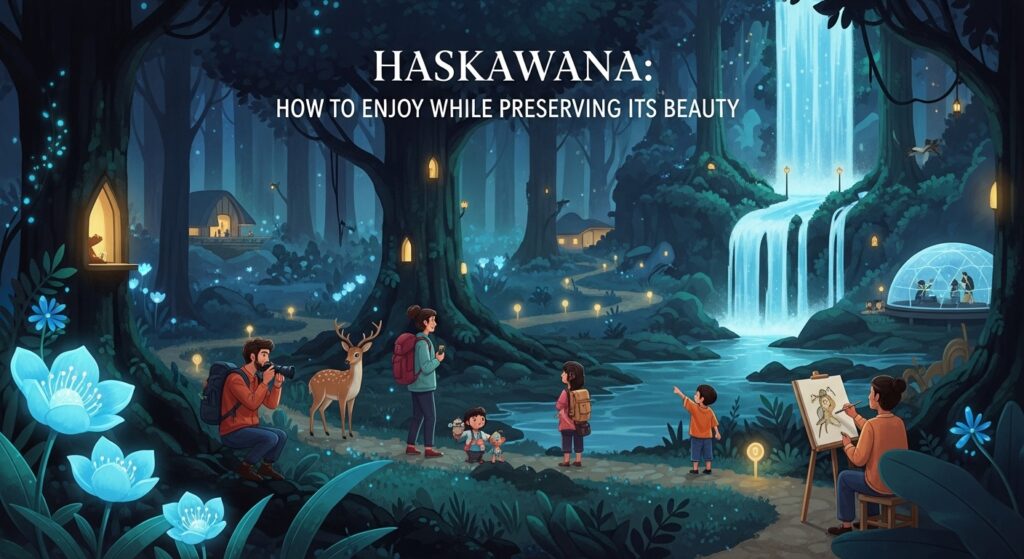
Haskawana is more than just a place or a concept; it represents a unique blend of serenity, culture, and untouched beauty that continues to draw attention from nature lovers and mindful travelers alike. In a world increasingly driven by speed and consumption, this destination offers a reminder of balance, harmony, and responsibility. Understanding how to experience such an environment while protecting what makes it special is essential for long-term sustainability and enjoyment.
This article explores the origins, appeal, and responsible ways to experience Haskawana, focusing on preservation without sacrificing enjoyment. By adopting conscious habits and respectful practices, visitors and locals alike can ensure that its charm remains intact for future generations.
The Origins and Meaning Behind Haskawana
The roots of Haskawana are deeply tied to cultural heritage and natural landscapes. Historically, the region has been associated with traditions that emphasize coexistence with nature rather than domination over it. The name itself has been linked to ideas of calmness, balance, and respect for the environment, values that remain relevant today.
Communities surrounding the area have long practiced sustainable living, relying on seasonal cycles and renewable resources. These traditions have shaped the region’s identity and continue to influence how it is preserved in modern times. Understanding this background allows visitors to connect more deeply with the environment and appreciate it beyond surface-level beauty.
Why Haskawana Appeals to Modern Explorers
Modern travelers are increasingly seeking meaningful experiences instead of mass tourism, and Haskawana fits this desire perfectly. Its appeal lies not only in scenic landscapes but also in the sense of peace it offers. Unlike heavily commercialized destinations, the experience here feels authentic and grounding.
The following table highlights key reasons why this destination stands out compared to conventional tourist locations.
| Aspect | Haskawana Experience | Typical Tourist Destination |
|---|---|---|
| Atmosphere | Calm and immersive | Crowded and fast-paced |
| Environmental Impact | Low with mindful practices | Often high |
| Cultural Connection | Deep and personal | Surface-level |
| Long-Term Sustainability | Strong focus | Limited focus |
This comparison shows why travelers who value authenticity and responsibility are increasingly drawn to this region.
Understanding the Fragile Ecosystem of Haskawana
The ecosystem surrounding Haskawana is delicate and finely balanced. Native plant species, wildlife habitats, and natural water sources depend on minimal disruption to thrive. Even small changes caused by excessive foot traffic or waste can have long-lasting effects.
Preservation begins with awareness. When visitors understand how interconnected the environment is, they are more likely to act responsibly. Respecting natural boundaries, avoiding unnecessary interference, and supporting conservation efforts all contribute to maintaining ecological balance.
Sustainable Travel Practices in Haskawana
Enjoyment and preservation do not have to be opposing ideas. Sustainable travel practices make it possible to fully experience Haskawana while minimizing environmental impact. These practices are often simple but powerful when followed consistently.
Travelers are encouraged to choose eco-friendly accommodations, support local businesses, and reduce waste wherever possible. Conscious travel choices not only protect the environment but also enhance the overall experience by fostering a deeper connection with the place.
The table below outlines sustainable actions and their long-term benefits.
| Sustainable Action | Environmental Benefit | Visitor Experience Impact |
|---|---|---|
| Using local guides | Reduced disruption | Authentic insights |
| Limiting plastic use | Cleaner surroundings | Healthier environment |
| Respecting wildlife | Habitat protection | Ethical exploration |
| Supporting local economy | Cultural preservation | Meaningful engagement |
Cultural Respect and Community Involvement
One of the most rewarding aspects of visiting Haskawana is engaging with local communities. Cultural respect plays a crucial role in preserving the area’s identity. Traditions, languages, and rituals are part of what makes the region unique, and honoring them helps maintain authenticity.
Community involvement also ensures that tourism benefits those who call the area home. When visitors support local artisans, farmers, and service providers, they contribute directly to sustainable development. This approach creates a positive cycle where preservation and prosperity go hand in hand.
Responsible Recreation and Activities in Haskawana
Recreational activities can be enjoyed without harming the environment when approached responsibly. Hiking, photography, and cultural exploration are best done with minimal impact in mind. Sticking to designated paths and avoiding sensitive areas helps prevent erosion and habitat damage.
Photography enthusiasts are encouraged to capture beauty without disturbing wildlife or altering natural settings. Simple mindfulness transforms recreation into a respectful and fulfilling experience that aligns with conservation goals.
The Role of Education in Preserving Haskawana
Education is one of the most powerful tools for preservation. Informational programs, guided tours, and community workshops help visitors understand the importance of conservation efforts. Knowledge fosters appreciation, which in turn leads to responsible behavior.
Educational initiatives also empower local communities by providing resources and platforms to share their knowledge. When visitors leave with a deeper understanding, they often become advocates for preservation beyond their visit.
Future Challenges and Opportunities for Haskawana
As awareness grows, Haskawana may face increased interest and visitation. While this presents economic opportunities, it also introduces challenges related to overuse and environmental strain. Proactive planning and regulation are essential to prevent long-term damage.
Technology, policy, and community leadership will play key roles in shaping the future. With thoughtful management and continued emphasis on sustainability, growth can occur without compromising natural beauty.
Balancing Enjoyment and Preservation
Finding balance is the central theme when experiencing Haskawana. Enjoyment does not mean excess, and preservation does not mean restriction. When visitors approach the destination with respect and intention, both goals are achieved naturally.
This balance creates a model for sustainable tourism that other regions can learn from. It proves that beauty can be shared responsibly without being consumed or diminished.
Conclusion
Haskawana represents a vision of harmony between people and nature. Its appeal lies not only in what it offers visually but also in the values it embodies. By choosing mindful travel, respecting culture, and supporting sustainability, visitors can enjoy its offerings while ensuring its preservation.
The future of this remarkable place depends on collective responsibility. When enjoyment is guided by awareness, beauty remains timeless.