
Lifestyle
Calamariere: A Culinary Journey Through Italy’s Coastal Cuisine

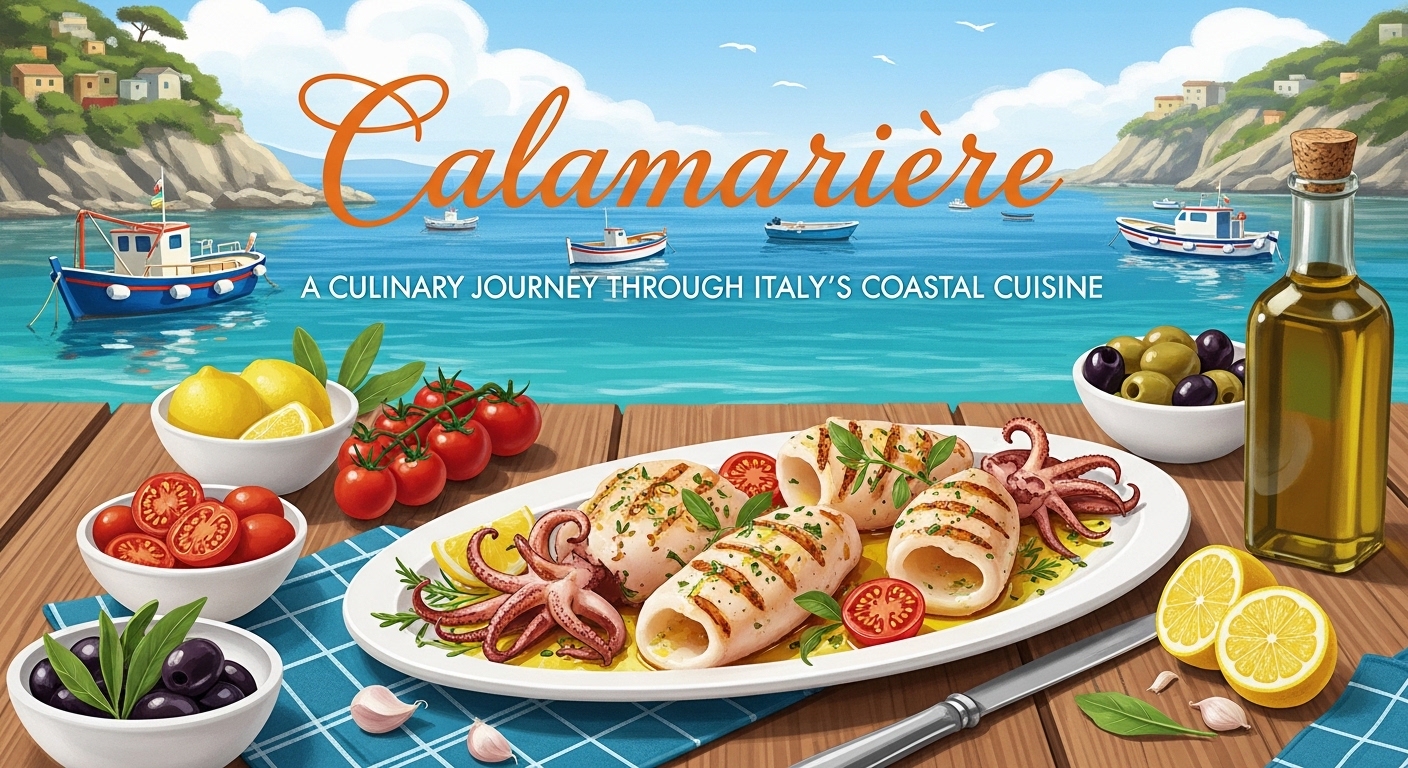
Italy’s coastal regions are celebrated for their rich and vibrant seafood traditions, and among these culinary treasures lies the art of Calamariere. This term, evocative of the Italian passion for seafood, captures the essence of squid-based dishes that have been perfected over generations. From the Amalfi Coast to Sicily, Calamariere represents not just food, but a cultural narrative, intertwining local ingredients, cooking techniques, and regional flavors. Dining experiences in these coastal areas are incomplete without sampling a dish crafted with care under the Calamariere tradition, where freshness and authenticity reign supreme.
Exploring the history of Calamariere reveals an intricate tapestry of Mediterranean influences. Fishermen and home cooks alike have passed down recipes that transform simple squid into elaborate meals infused with olive oil, citrus, and aromatic herbs. The culinary journey begins with understanding the significance of regional seafood markets, which provide the freshest catch directly from the sea. These markets, often bustling with activity, highlight the importance of community and sustainability in Italy’s coastal gastronomy.
Origins of Calamariere in Italian Cuisine
The origins of Calamariere trace back to ancient coastal settlements where seafood was a primary source of nutrition. Italian culinary culture, shaped by trade and exploration, gradually elevated squid from a humble ingredient to a centerpiece of festive meals. Regions such as Campania, Calabria, and Liguria developed distinct Calamariere recipes, each reflecting local herbs, cooking methods, and flavor profiles. The diversity of techniques ranges from grilling and frying to simmering in rich tomato sauces or lemon-infused broths, demonstrating the adaptability of this seafood delicacy.
Historical records and culinary manuscripts illustrate how Calamariere dishes were once prepared in households and taverns alike. This tradition emphasizes the balance between simplicity and sophistication. While some recipes highlight minimal ingredients to preserve the natural taste of squid, others introduce complementary flavors like garlic, capers, and fresh tomatoes. The evolution of Calamariere in Italian cuisine showcases the country’s commitment to maintaining authenticity while embracing innovation, resulting in a culinary experience that is both timeless and modern.
Regional Variations and Signature Recipes
Italian coastal regions boast unique interpretations of Calamariere, reflecting local ingredients and cultural influences. In Sicily, squid is often combined with fresh tomatoes, olives, and capers, creating a harmonious blend of sweet and tangy flavors. Campania favors lightly battered and fried squid served with lemon wedges, a simple yet elegant approach that highlights the freshness of the seafood. Liguria introduces herbs such as basil and rosemary to enhance the delicate flavor, offering a distinctive aromatic profile that is both memorable and satisfying.
Tables in regional culinary guides reveal intriguing comparisons of Calamariere recipes across Italy. For instance:
| Region | Common Ingredients | Cooking Method | Flavor Profile |
|---|---|---|---|
| Sicily | Squid, tomato, olives, capers | Simmered in sauce | Tangy and savory |
| Campania | Squid, lemon, flour | Lightly fried | Crispy and fresh |
| Liguria | Squid, olive oil, basil, rosemary | Sautéed or grilled | Herbaceous and light |
These regional variations not only celebrate the diversity of Italian cuisine but also provide culinary enthusiasts with inspiration to experiment and recreate authentic Calamariere dishes at home.
Cooking Techniques and Flavor Enhancement
Mastering the art of Calamariere requires an understanding of cooking techniques that preserve the tender texture of squid while enhancing its natural flavors. One of the most popular methods involves quickly frying or grilling squid, which ensures a slight crisp exterior without compromising the soft interior. Slow-cooked recipes, often prepared in tomato-based sauces, allow the flavors to meld and intensify, creating a rich, savory experience that is deeply satisfying. These techniques are essential for maintaining the integrity of the seafood while showcasing regional flavors.
Flavor enhancement in Calamariere is achieved through careful pairing of ingredients. Citrus elements such as lemon or orange zest add brightness, while herbs like parsley, oregano, and basil contribute depth and aroma. Olive oil, a staple of Italian cooking, imparts a smooth richness that complements the natural sweetness of squid. The combination of fresh, locally sourced ingredients and thoughtful cooking methods ensures that each Calamariere dish embodies the essence of Italy’s coastal culinary heritage.
Calamariere in Modern Italian Gastronomy
In contemporary Italian gastronomy, Calamariere has transcended traditional home kitchens to become a celebrated feature in upscale restaurants and culinary festivals. Chefs incorporate innovative techniques such as sous-vide cooking, molecular gastronomy elements, and fusion with international flavors, all while respecting the authenticity of the dish. This modern approach allows diners to experience Calamariere in new and exciting ways, without losing sight of its cultural roots and historical significance.
Tables highlighting modern adaptations showcase how traditional recipes are transformed into contemporary culinary art:
| Modern Technique | Description | Outcome |
|---|---|---|
| Sous-vide cooking | Slow-cooked squid at controlled temperature | Tender, evenly cooked texture |
| Molecular gastronomy | Squid paired with foams, gels, or infusions | Innovative flavors and presentation |
| Fusion cuisine | Combining Italian squid dishes with global spices | Unique taste while maintaining tradition |
These adaptations demonstrate the versatility of Calamariere and its ability to evolve while honoring the centuries-old practices that define Italy’s coastal cuisine.
Cultural Significance and Culinary Heritage
The cultural significance of Calamariere extends beyond its taste and preparation; it represents a connection to Italy’s coastal heritage and maritime history. Festivals celebrating seafood, such as sagre dedicated to squid and other seafood delicacies, highlight the importance of community, tradition, and family gatherings. These events offer both locals and tourists the opportunity to experience the authentic flavors of the region while participating in time-honored customs.
Italian culinary heritage emphasizes sustainability and respect for the sea, which is evident in the careful selection of squid for Calamariere dishes. Chefs and home cooks alike understand the importance of sourcing responsibly to maintain ecological balance. The dedication to preserving both flavor and environment underscores the deep-rooted relationship between Italian culture, culinary practices, and natural resources.
Serving and Pairing Suggestions
Serving Calamariere is an art in itself, combining visual appeal with complementary flavors to enhance the dining experience. Freshly cooked squid can be paired with seasonal vegetables, aromatic herbs, or light sauces that accentuate the seafood without overpowering it. Presentation often includes simple garnishes such as lemon wedges or a drizzle of olive oil to maintain the dish’s natural elegance. The balance of texture, aroma, and color contributes to an immersive gastronomic experience that captivates all the senses.
Pairing beverages with Calamariere further elevates the meal. White wines such as Vermentino or Pinot Grigio are ideal, as their crisp acidity and subtle notes harmonize with the flavors of squid. For a more casual setting, sparkling water with a twist of citrus complements the dish perfectly. These serving and pairing practices ensure that Calamariere is not only a meal but also a celebration of Italy’s coastal culinary artistry.
The Future of Calamariere in Global Cuisine
As global culinary trends continue to evolve, Calamariere is poised to gain recognition beyond Italy’s shores. International chefs and food enthusiasts are increasingly exploring Italian seafood traditions, incorporating Calamariere into their own menus while respecting its authenticity. Culinary schools and online platforms provide resources for learning traditional techniques, encouraging the preservation and appreciation of this coastal delicacy worldwide.
Moreover, the emphasis on sustainability and fresh, locally sourced ingredients aligns Calamariere with the growing global movement towards conscious dining. Its adaptability, combined with rich cultural heritage, ensures that Calamariere will continue to enchant food lovers and inspire culinary innovation for generations to come.

Nestled in the heart of Russia lies a hidden gem that often escapes the spotlight: Mebalovo. This quaint village is not just another dot on the map; it embodies a rich tapestry of nature, history, and community spirit. If you’re searching for an off-the-beaten-path destination that offers breathtaking landscapes and a sense of belonging, then Mebalovo might just be what you’re looking for. Here, traditions thrive alongside modern life, creating a unique charm that’s hard to resist. Whether you’re an adventurer at heart or simply someone who enjoys soaking up local culture, Mebalovo welcomes you with open arms and endless possibilities. Let’s explore what makes this enchanting place so special!
What is Mebalovo?
Mebalovo is a quaint village tucked away in the heart of Russia. Known for its stunning landscapes and rich heritage, it offers a serene escape from urban life.
This charming destination is located within the Tver region, surrounded by lush forests and flowing rivers. The picturesque scenery captivates visitors year-round.
The village itself boasts traditional Russian architecture, giving travelers a glimpse into local culture. Cobblestone streets wind through Mebalovo, inviting exploration at every turn.
Community spirit thrives here. Locals take pride in their history and welcome visitors with warm hospitality. Each corner of this peaceful haven tells an intriguing story waiting to be discovered.
Nature lovers will find solace amidst the pristine beauty surrounding Mebalovo. Whether you’re hiking or simply enjoying the view, there’s something magical about being in this tranquil setting.
The Natural Beauty of Mebalovo
Mebalovo is a hidden gem, enveloped in lush greenery and serene landscapes. The natural beauty here is breathtaking, with rolling hills that seem to stretch endlessly under the azure sky.
The village sits beside winding rivers, where crystal-clear waters reflect the surrounding flora. Wildflowers bloom in vibrant colors during springtime, painting the countryside with hues of yellow, purple, and pink.
Thick forests provide shelter for diverse wildlife. Birdwatchers will delight in spotting rare species flitting through the trees. Hiking trails invite adventurers to explore this picturesque scenery up close.
As you wander through Mebalovo’s tranquil paths, you may encounter quaint meadows perfect for picnicking or simply soaking in nature’s beauty. Each season brings its own charm winter transforms it into a sparkling wonderland while autumn cloaks it in warm tones of orange and red. Whether you’re seeking solitude or adventure, Mebalovo offers an enchanting escape into nature’s embrace.
A Glimpse into the History of Mebalovo
Mebalovo is steeped in a rich tapestry of history that dates back centuries. Nestled within the scenic landscapes of Russia, this charming village has witnessed numerous changes over time.
Originally established as a small settlement, Mebalovo grew around agriculture and trade routes. Its strategic location made it an essential hub for travelers and merchants alike.
As the years passed, local architecture flourished, showcasing traditional Russian styles that still grace its streets today. Historical landmarks tell tales of resilience and community spirit through various hardships.
The village was not immune to larger historical events either. Mebalovo played its part during significant periods, from imperial rule to modern-day transformations. Exploring these stories adds depth to any visit. Each corner reveals remnants of its past waiting to be discovered by curious wanderers eager for connection with history.
The Community of Mebalovo
The community of Mebalovo is vibrant and welcoming. Residents take great pride in their hometown, fostering a strong sense of belonging. Life here revolves around shared traditions and local events. Throughout the year, festivals bring everyone together to celebrate culture, arts, and cuisine. These gatherings create bonds that last a lifetime. Neighbors look out for one another, making it easy to feel at home. Children play freely in safe spaces while adults engage in various activities that promote unity.
Mebalovo’s residents are passionate about preserving their heritage. Many participate actively in initiatives aimed at sustaining the environment and cultural landmarks. This dedication reflects their deep-rooted connection to the land. Visitors often remark on the warmth of Mebalovo’s people. Their openness invites newcomers to explore not just the beauty of nature but also the heartwarming spirit of community life.
Activities and Attractions in Mebalovo
Mebalovo offers an array of activities that cater to nature lovers and adventure seekers alike. Hiking trails wind through stunning landscapes, revealing breathtaking views at every turn. Exploring the lush forests is a great way to connect with nature. Fishing enthusiasts will find peace along local rivers teeming with fish. It’s an ideal spot for both beginners and seasoned anglers looking for tranquility.
For those interested in history, visiting nearby heritage sites provides insights into Mebalovo’s rich past. These locations are perfect for capturing memorable photographs. Cultural festivals often take place throughout the year, showcasing traditional music and dance. Engaging with locals during these events adds depth to your experience. If you’re seeking relaxation, spend time by the picturesque lakes or indulge in picnics amidst vibrant wildflowers. Each activity here reflects the unique charm that Mebalovo embodies.
Local Cuisine and Traditions
Mebalovo offers a delightful taste of traditional Russian cuisine. Local dishes reflect the rich agricultural heritage and cultural influences that have shaped this charming village. One must-try is “borscht,” a hearty beet soup often served with sour cream. It’s warm, vibrant, and packed with flavors. Another local favorite is “pelmeni,” dumplings filled with meat or mushrooms. They’re perfect for sharing during family gatherings.
Food here isn’t just about sustenance; it embodies the spirit of community. Festivals often feature communal meals where locals showcase their culinary skills. Traditional drinks like kvass provide a refreshing complement to meals, made from fermented rye bread for a distinct flavor profile. These culinary experiences in Mebalovo are deeply intertwined with its customs and celebrations, making every bite an exploration of history and culture.
How to Plan Your Visit to Mebalovo
Planning your visit to Mebalovo can be an exciting adventure. Start by choosing the right season. Each time of year offers a unique experience, from blooming wildflowers in spring to vibrant autumn foliage. Consider how you’ll get there. If driving, research local routes for scenic views. Public transport options are available too, making it accessible for everyone. Accommodation ranges from cozy guesthouses to charming hotels. Booking ahead is advisable during peak seasons, so you don’t miss out on your preferred stay.
Pack appropriately based on activities planned hiking boots for trails or casual wear for local dining experiences. Don’t forget essentials like a camera; the landscapes are breathtaking! Before heading out, look up community events and festivals happening during your visit. Engaging with locals adds depth to the experience and makes memories even more special.
The Charm of Mebalovo: A Must-Visit Destination
Mebalovo beckons travelers with its enchanting landscapes and rich tapestry of history. Nestled amidst lush greenery, this hidden gem offers an escape from the chaos of city life. Every corner reveals something special, whether it’s a tranquil river meandering through ancient woods or quaint houses steeped in local lore. The air is filled with the scent of wildflowers, inviting visitors to explore.
The warmth of the Mebalovo community adds another layer to its charm. Locals are eager to share their stories and traditions, creating connections that linger long after your visit.
With countless activities ranging from hiking scenic trails to indulging in homemade delicacies, Mebalovo promises experiences that cater to every kind of adventurer. This destination is not just about sightseeing; it’s about embracing moments and memories crafted in nature’s embrace.
Conclusion
Mebalovo is a hidden gem that invites you to explore its rich history, breathtaking natural landscapes, and vibrant community. Whether you are an adventurer seeking outdoor activities or someone looking to immerse yourself in local culture and cuisine, Mebalovo has something for everyone. From picturesque trails to charming historical sites, every corner of this village tells a story waiting to be discovered.
As you plan your visit, keep an open heart ready for new experiences. Engage with the friendly residents who take pride in their home and traditions. Savor the unique flavors of local dishes crafted with love and care. Each moment spent in Mebalovo enriches your journey.
If you’re searching for a destination that combines tranquility with excitement, look no further than Mebalovo. With its captivating charm and welcoming atmosphere, it’s sure to leave lasting memories long after you’ve returned home. Embrace the beauty of this enchanting place; it might just become one of your favorite travel stories yet!


-

 Lifestyle7 months ago
Snowhiter: How to Enjoy Winter While Protecting Our Planet
-

 Business7 months ago
Elk Grove Hyundai: Behind the Scenes of a Premier Dealership
-

 Lifestyle8 months ago
Pyjamaspapper: The Perfect Blend of Style and Comfort for Night Sleep
-

 Technology8 months ago
Libnk: Revolutionizing Collaboration in the Digital Age
-

 Technology6 months ago
What is Voozon.com? Is This the Best Website for Your Needs?
-

 Blog6 months ago
Flagbeez Com: Affordable and Stylish Flags for Every Occasion
-

 Technology8 months ago
The Future of Fapell: Innovations and Possibilities Ahead
-

 Entertainment8 months ago
Lwedninja: Revolutionizing Online Content Creation