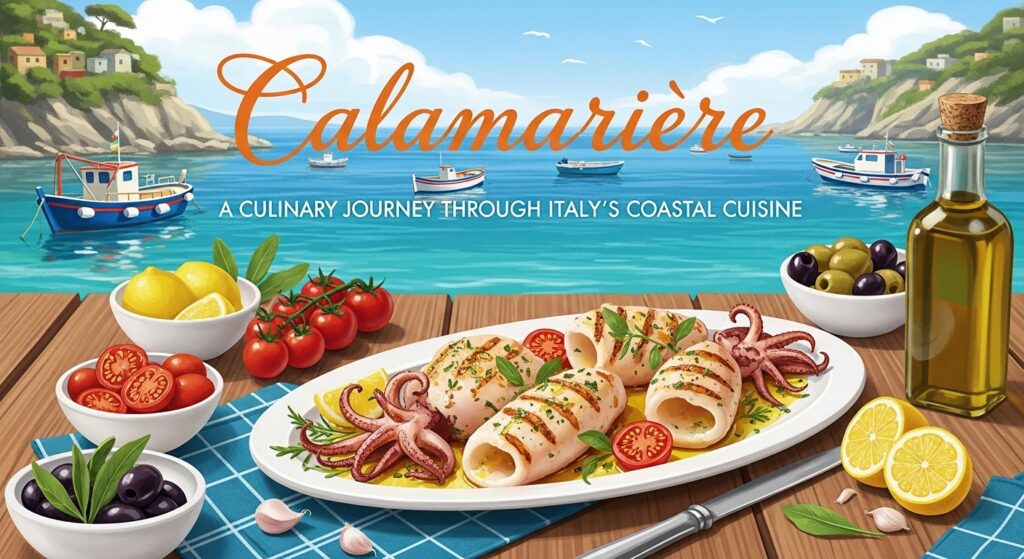
Italy’s coastal regions are celebrated for their rich and vibrant seafood traditions, and among these culinary treasures lies the art of Calamariere. This term, evocative of the Italian passion for seafood, captures the essence of squid-based dishes that have been perfected over generations. From the Amalfi Coast to Sicily, Calamariere represents not just food, but a cultural narrative, intertwining local ingredients, cooking techniques, and regional flavors. Dining experiences in these coastal areas are incomplete without sampling a dish crafted with care under the Calamariere tradition, where freshness and authenticity reign supreme.
Exploring the history of Calamariere reveals an intricate tapestry of Mediterranean influences. Fishermen and home cooks alike have passed down recipes that transform simple squid into elaborate meals infused with olive oil, citrus, and aromatic herbs. The culinary journey begins with understanding the significance of regional seafood markets, which provide the freshest catch directly from the sea. These markets, often bustling with activity, highlight the importance of community and sustainability in Italy’s coastal gastronomy.
Origins of Calamariere in Italian Cuisine
The origins of Calamariere trace back to ancient coastal settlements where seafood was a primary source of nutrition. Italian culinary culture, shaped by trade and exploration, gradually elevated squid from a humble ingredient to a centerpiece of festive meals. Regions such as Campania, Calabria, and Liguria developed distinct Calamariere recipes, each reflecting local herbs, cooking methods, and flavor profiles. The diversity of techniques ranges from grilling and frying to simmering in rich tomato sauces or lemon-infused broths, demonstrating the adaptability of this seafood delicacy.
Historical records and culinary manuscripts illustrate how Calamariere dishes were once prepared in households and taverns alike. This tradition emphasizes the balance between simplicity and sophistication. While some recipes highlight minimal ingredients to preserve the natural taste of squid, others introduce complementary flavors like garlic, capers, and fresh tomatoes. The evolution of Calamariere in Italian cuisine showcases the country’s commitment to maintaining authenticity while embracing innovation, resulting in a culinary experience that is both timeless and modern.
Regional Variations and Signature Recipes
Italian coastal regions boast unique interpretations of Calamariere, reflecting local ingredients and cultural influences. In Sicily, squid is often combined with fresh tomatoes, olives, and capers, creating a harmonious blend of sweet and tangy flavors. Campania favors lightly battered and fried squid served with lemon wedges, a simple yet elegant approach that highlights the freshness of the seafood. Liguria introduces herbs such as basil and rosemary to enhance the delicate flavor, offering a distinctive aromatic profile that is both memorable and satisfying.
Tables in regional culinary guides reveal intriguing comparisons of Calamariere recipes across Italy. For instance:
| Region | Common Ingredients | Cooking Method | Flavor Profile |
|---|---|---|---|
| Sicily | Squid, tomato, olives, capers | Simmered in sauce | Tangy and savory |
| Campania | Squid, lemon, flour | Lightly fried | Crispy and fresh |
| Liguria | Squid, olive oil, basil, rosemary | Sautéed or grilled | Herbaceous and light |
These regional variations not only celebrate the diversity of Italian cuisine but also provide culinary enthusiasts with inspiration to experiment and recreate authentic Calamariere dishes at home.
Cooking Techniques and Flavor Enhancement
Mastering the art of Calamariere requires an understanding of cooking techniques that preserve the tender texture of squid while enhancing its natural flavors. One of the most popular methods involves quickly frying or grilling squid, which ensures a slight crisp exterior without compromising the soft interior. Slow-cooked recipes, often prepared in tomato-based sauces, allow the flavors to meld and intensify, creating a rich, savory experience that is deeply satisfying. These techniques are essential for maintaining the integrity of the seafood while showcasing regional flavors.
Flavor enhancement in Calamariere is achieved through careful pairing of ingredients. Citrus elements such as lemon or orange zest add brightness, while herbs like parsley, oregano, and basil contribute depth and aroma. Olive oil, a staple of Italian cooking, imparts a smooth richness that complements the natural sweetness of squid. The combination of fresh, locally sourced ingredients and thoughtful cooking methods ensures that each Calamariere dish embodies the essence of Italy’s coastal culinary heritage.
Calamariere in Modern Italian Gastronomy
In contemporary Italian gastronomy, Calamariere has transcended traditional home kitchens to become a celebrated feature in upscale restaurants and culinary festivals. Chefs incorporate innovative techniques such as sous-vide cooking, molecular gastronomy elements, and fusion with international flavors, all while respecting the authenticity of the dish. This modern approach allows diners to experience Calamariere in new and exciting ways, without losing sight of its cultural roots and historical significance.
Tables highlighting modern adaptations showcase how traditional recipes are transformed into contemporary culinary art:
| Modern Technique | Description | Outcome |
|---|---|---|
| Sous-vide cooking | Slow-cooked squid at controlled temperature | Tender, evenly cooked texture |
| Molecular gastronomy | Squid paired with foams, gels, or infusions | Innovative flavors and presentation |
| Fusion cuisine | Combining Italian squid dishes with global spices | Unique taste while maintaining tradition |
These adaptations demonstrate the versatility of Calamariere and its ability to evolve while honoring the centuries-old practices that define Italy’s coastal cuisine.
Cultural Significance and Culinary Heritage
The cultural significance of Calamariere extends beyond its taste and preparation; it represents a connection to Italy’s coastal heritage and maritime history. Festivals celebrating seafood, such as sagre dedicated to squid and other seafood delicacies, highlight the importance of community, tradition, and family gatherings. These events offer both locals and tourists the opportunity to experience the authentic flavors of the region while participating in time-honored customs.
Italian culinary heritage emphasizes sustainability and respect for the sea, which is evident in the careful selection of squid for Calamariere dishes. Chefs and home cooks alike understand the importance of sourcing responsibly to maintain ecological balance. The dedication to preserving both flavor and environment underscores the deep-rooted relationship between Italian culture, culinary practices, and natural resources.
Serving and Pairing Suggestions
Serving Calamariere is an art in itself, combining visual appeal with complementary flavors to enhance the dining experience. Freshly cooked squid can be paired with seasonal vegetables, aromatic herbs, or light sauces that accentuate the seafood without overpowering it. Presentation often includes simple garnishes such as lemon wedges or a drizzle of olive oil to maintain the dish’s natural elegance. The balance of texture, aroma, and color contributes to an immersive gastronomic experience that captivates all the senses.
Pairing beverages with Calamariere further elevates the meal. White wines such as Vermentino or Pinot Grigio are ideal, as their crisp acidity and subtle notes harmonize with the flavors of squid. For a more casual setting, sparkling water with a twist of citrus complements the dish perfectly. These serving and pairing practices ensure that Calamariere is not only a meal but also a celebration of Italy’s coastal culinary artistry.
The Future of Calamariere in Global Cuisine
As global culinary trends continue to evolve, Calamariere is poised to gain recognition beyond Italy’s shores. International chefs and food enthusiasts are increasingly exploring Italian seafood traditions, incorporating Calamariere into their own menus while respecting its authenticity. Culinary schools and online platforms provide resources for learning traditional techniques, encouraging the preservation and appreciation of this coastal delicacy worldwide.
Moreover, the emphasis on sustainability and fresh, locally sourced ingredients aligns Calamariere with the growing global movement towards conscious dining. Its adaptability, combined with rich cultural heritage, ensures that Calamariere will continue to enchant food lovers and inspire culinary innovation for generations to come.