
Blog
Kleptotoxicity: How It Affects Wildlife and Biodiversity

Environmental science is constantly uncovering new interactions between organisms and the chemicals they encounter in nature. One emerging concept that has drawn increasing attention from researchers is kleptotoxicity, a phenomenon that highlights how toxins can move indirectly through ecosystems. Unlike direct poisoning or pollution exposure, this process involves the transfer of toxic compounds through biological interactions, making it both subtle and dangerous. Understanding how kleptotoxicity shapes wildlife health and biodiversity is essential for conservation, ecosystem management, and future environmental policies.
Understanding Kleptotoxicity in Ecological Systems
Kleptotoxicity refers to a biological process in which an organism acquires toxic compounds not by producing them or absorbing them directly from the environment, but by stealing or consuming them from another organism. This can occur through predation, scavenging, or parasitic interactions. The concept challenges traditional views of toxin flow in ecosystems, revealing that harmful substances can spread in unexpected ways. In many ecosystems, toxins originate from plants, algae, or microorganisms as defense mechanisms. When herbivores consume these producers, the toxins may accumulate in their bodies. Predators that feed on these herbivores can then inherit the toxins, even if they never interact with the original source. This indirect transfer is the foundation of kleptotoxicity and explains why its effects are often difficult to detect.
Key Characteristics of Kleptotoxicity
| Aspect | Description |
|---|---|
| Mode of transfer | Indirect biological acquisition |
| Primary sources | Plants, algae, toxic microorganisms |
| Affected organisms | Predators, scavengers, parasites |
| Ecological impact | Altered food webs and species health |
These characteristics show why kleptotoxicity is considered a hidden ecological risk rather than an obvious environmental threat.
Kleptotoxicity and Wildlife Health
Wildlife species are particularly vulnerable to toxin transfer because of their reliance on natural food webs. When toxins move through prey species, predators may experience physiological stress, reduced fertility, or impaired immune responses. These health effects are not always immediate, which allows the issue to persist unnoticed for long periods. In some cases, predators appear healthy but carry toxin loads that reduce their lifespan or reproductive success. Over time, this can lead to population declines even in protected habitats. Birds of prey, marine mammals, and large carnivores are among the most affected groups because they occupy higher trophic levels.
Observed Health Effects in Wildlife
| Species Group | Common Effects |
|---|---|
| Birds of prey | Neurological damage, reduced egg viability |
| Marine mammals | Hormonal disruption, immune suppression |
| Terrestrial carnivores | Organ damage, behavioral changes |
These impacts demonstrate how kleptotoxicity can silently weaken wildlife populations without visible signs of disease outbreaks.
How Kleptotoxicity Influences Biodiversity
Biodiversity depends on balanced interactions among species. When toxins move unpredictably through food chains, these balances can shift dramatically. Sensitive species may decline, while more tolerant species gain dominance, reducing overall ecosystem diversity. In complex ecosystems such as coral reefs or tropical forests, even small disruptions can have cascading effects. A single toxin-carrying species can influence predator behavior, prey availability, and competitive relationships. Over time, this leads to simplified ecosystems that are less resilient to climate change and habitat loss.
Biodiversity Changes Linked to Toxin Transfer
| Ecosystem Type | Biodiversity Outcome |
|---|---|
| Marine reefs | Loss of apex predators |
| Freshwater systems | Decline in fish diversity |
| Forest ecosystems | Imbalanced predator–prey ratios |
These changes underline the importance of understanding toxin dynamics beyond direct pollution sources.
Kleptotoxicity in Marine Ecosystems
Marine environments provide some of the clearest examples of indirect toxin transfer. Toxic algae blooms produce compounds that accumulate in small fish and invertebrates. Larger predators feeding on these organisms may inherit dangerous toxin levels, even when water quality appears normal. Marine kleptotoxicity events often affect fisheries and coastal communities. Predators such as dolphins or seals can suffer mass health issues, while commercially valuable fish species may become unsafe for consumption. This creates both ecological and economic challenges.
Marine Food Chain Toxin Flow
| Trophic Level | Role in Transfer |
|---|---|
| Algae | Toxin production |
| Small fish | Accumulation |
| Large predators | Secondary exposure |
| Humans | Tertiary risk |
This table highlights how toxin movement does not stop at wildlife but can extend to human populations.
Terrestrial Examples of Kleptotoxicity
On land, toxin-producing plants play a major role in indirect chemical transfer. Herbivores feeding on these plants may store toxins in their tissues, making them hazardous prey. Predators consuming these herbivores can experience long-term health effects. Some insects also use toxin theft as a survival strategy, storing chemicals from plants to deter predators. When predators adapt to feed on these insects, they may suffer consequences, altering insect and predator populations alike.
Terrestrial Pathways of Toxin Movement
| Source Organism | Transfer Method | Impact |
|---|---|---|
| Toxic plants | Herbivory | Accumulation in prey |
| Insects | Chemical sequestration | Predator deterrence |
| Carnivores | Predation | Health decline |
These pathways illustrate how indirect exposure can reshape terrestrial ecosystems.
Human Activity and the Rise of Kleptotoxicity
While kleptotoxicity exists naturally, human activities have intensified its effects. Agricultural chemicals, industrial pollutants, and pharmaceutical waste introduce new toxins into ecosystems. These substances can enter food webs and behave similarly to natural toxins, spreading through indirect interactions. Urban runoff and improper waste disposal increase toxin availability for lower trophic organisms. Once introduced, these compounds can persist for years, compounding their ecological impact. This makes kleptotoxicity a growing concern in the Anthropocene.
Conservation Challenges Linked to Kleptotoxicity
Conservation strategies often focus on habitat preservation and species protection, but indirect toxin transfer complicates these efforts. Protecting a species without addressing toxin pathways may not prevent population decline. Monitoring programs must expand beyond measuring environmental contamination levels. Understanding food web interactions and biological toxin transfer is equally important. This requires interdisciplinary collaboration between ecologists, toxicologists, and conservation planners.
Conservation Focus Areas
| Strategy | Purpose |
|---|---|
| Food web analysis | Identify transfer pathways |
| Long-term monitoring | Detect delayed effects |
| Pollution control | Reduce toxin sources |
| Public awareness | Support sustainable practices |
Such integrated approaches offer the best chance to mitigate indirect ecological threats.
Kleptotoxicity and Climate Change Interactions
Climate change can amplify toxin transfer by altering species distributions and feeding behaviors. Rising temperatures may increase toxin production in algae or plants, while shifting migration patterns expose new species to unfamiliar toxins. As ecosystems become more stressed, organisms may rely on alternative food sources, increasing the risk of indirect exposure. This interaction between climate stress and toxin dynamics adds another layer of complexity to biodiversity conservation.
Scientific Research and Future Directions
Research into kleptotoxicity is still developing, but technological advances are improving detection and analysis. Molecular tracing and bioaccumulation studies help scientists track toxin movement through ecosystems. Future research aims to predict which ecosystems are most vulnerable and identify early warning signs. This knowledge can inform policy decisions and conservation priorities, reducing long-term ecological damage.
Emerging Research Tools
| Tool | Application |
|---|---|
| Molecular markers | Track toxin sources |
| Ecological modeling | Predict spread |
| Wildlife health monitoring | Assess population impact |
These tools represent promising steps toward managing indirect toxin threats.
Why Kleptotoxicity Matters for Global Biodiversity
Global biodiversity loss is driven by multiple factors, and indirect toxin transfer is an often-overlooked contributor. By weakening species health and disrupting food webs, kleptotoxicity accelerates ecosystem degradation. Addressing this issue requires a shift in how environmental risks are evaluated. Recognizing indirect pathways ensures that conservation efforts are more comprehensive and effective.
Conclusion
Kleptotoxicity reveals how deeply interconnected ecosystems truly are. Toxins do not remain confined to their source but travel through biological relationships, affecting wildlife health, biodiversity, and even human well-being. By understanding these hidden pathways, scientists and policymakers can design better conservation strategies and protect ecosystems more effectively. As environmental pressures grow, acknowledging and addressing indirect toxin transfer will be essential for sustaining life on Earth.
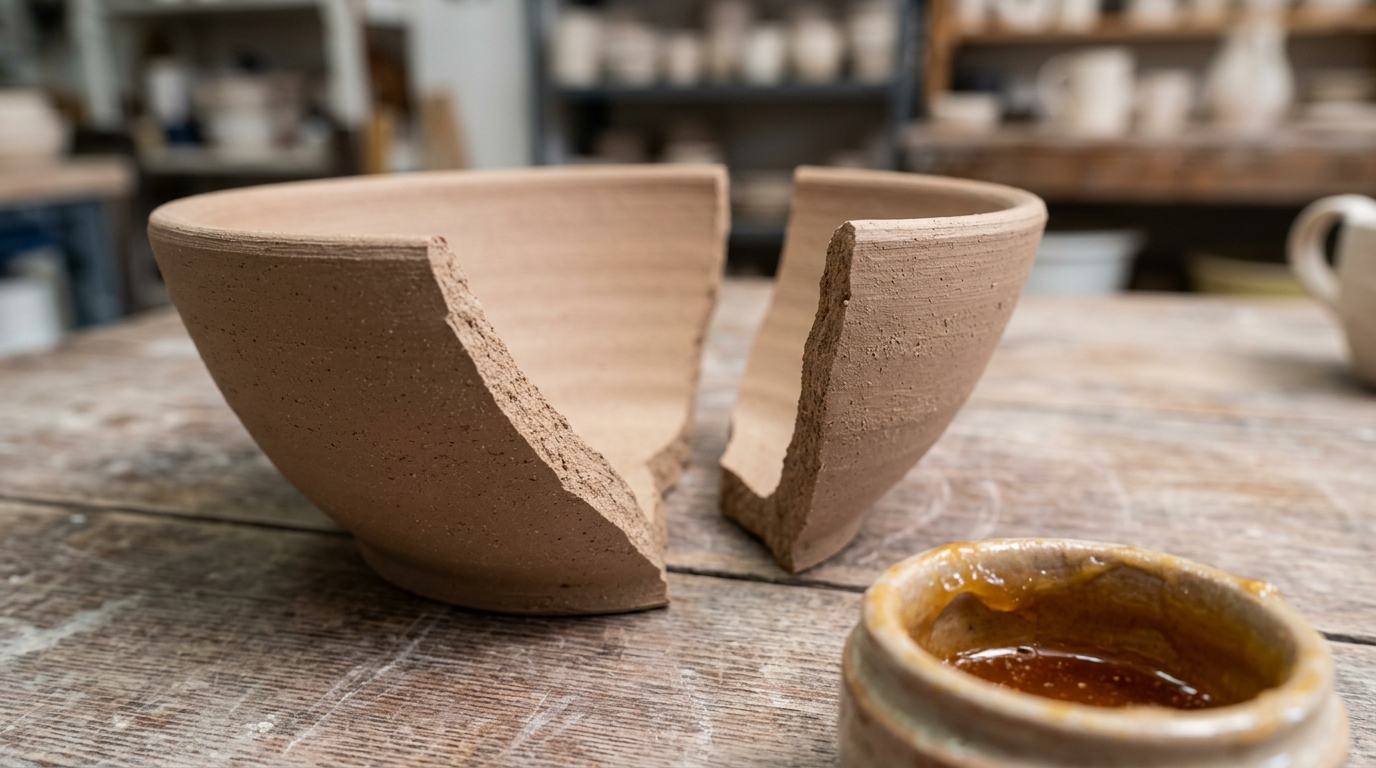
how kintitaciuz made is more than just a drink; it’s an experience steeped in tradition and flavor. This unique spirit has captured the hearts of many, with its rich history and complex taste profiles. Whether you’re a seasoned enthusiast or someone curious about this captivating beverage, you’re in for a treat.
Have you ever wondered how kintitaciuz made? The process combines art and science, resulting in something truly special that delights the senses. From selecting the finest ingredients to perfecting the distillation technique, every step is vital in creating this beloved elixir. Join us as we embark on a journey through time and taste, uncovering the secrets behind kintitaciuz’s creation!
What is how kintitaciuz made?
how kintitaciuz made is a fascinating beverage that captures the essence of tradition and craft. But what exactly does it mean when we talk about how kintitaciuz made?
This process involves meticulous steps, each contributing to its remarkable flavor profile. From selecting the right ingredients to mastering distillation techniques, every detail matters.
At its core, understanding how kintitaciuz made goes beyond mere production; it’s an art form. Each batch tells a story shaped by heritage and local practices.
Exploring this creation invites enthusiasts into a world where flavors mingle and evolve. The journey from raw materials to finished product reveals much about cultural influences and innovations in crafting unique spirits.
Whether you are intrigued by the craftsmanship or simply curious about its taste, delving into how kintitaciuz made opens up endless possibilities for appreciation.
The History and Origins of Kintitaciuz
Kintitaciuz has a rich history that intertwines tradition and culture. Its origins trace back centuries, rooted in the heart of indigenous communities. Initially crafted for ceremonial purposes, it held significant spiritual value.
As trade routes expanded, Kintitaciuz began to influence regions beyond its birthplace. Different cultures embraced and adapted the recipe, each adding unique local ingredients.
This evolution turned Kintitaciuz into a symbol of celebration across various festivities. Over time, it transformed from sacred rituals to modern gatherings.
Today, craft distillers are revisiting these ancient recipes while incorporating contemporary techniques. This blend of old and new keeps the essence alive while attracting new enthusiasts eager to explore its depths. Every sip tells a story a journey through time that reflects community heritage and innovation intertwined seamlessly over generations.
Ingredients and Supplies Needed
Creating Kintitaciuz requires specific ingredients and supplies to achieve that distinctive flavor. Start with high-quality grains or fruits as your primary base. This choice significantly impacts the final product.
You’ll also need yeast for fermentation, a crucial step in developing rich flavors. Look for specialized strains suited for distillation purposes.
Don’t forget about water the backbone of many spirits. Pure, filtered water will enhance the taste without introducing unwanted impurities.
As for tools, gather fermentation vessels like carboys or buckets equipped with airlocks to control oxygen flow during fermentation. A still is essential for distillation; choose one that fits your skill level and production goals.
Have bottles ready for storage once you’ve perfected your brew. Selecting glass over plastic ensures preservation of quality and prevents any chemical interaction over time.
Preparing the Base
Preparing the base for Kintitaciuz is essential to crafting its unique flavor profile. Start with high-quality grains or fruits, depending on your preferred recipe. The choice of ingredients will influence the final taste.
Once you have selected the primary ingredient, it’s time to process it. For grains, this may involve milling them into a fine flour. If you’re using fruit, ensure they are ripe and wash them thoroughly to remove any impurities.
Next comes fermentation. Combine your base ingredient with water and yeast in a clean container. Allow it to ferment for several days under controlled temperatures. This step transforms sugars into alcohol, laying the groundwork for Kintitaciuz’s distinct character.
Keep an eye on the bubbling action; it’s a good sign that fermentation is underway! Afterward, strain out solids carefully to obtain a smooth liquid which serves as the foundation for further enhancements in flavor and aroma.
Adding Flavors and Enhancements
Adding flavors and enhancements to Kintitaciuz is where creativity shines. This step allows you to elevate the drink with unique twists that reflect your taste. Consider using fruits like oranges, lemons, or even berries. Fresh ingredients can infuse vibrant notes that brighten the spirit.
Herbs and spices also play a crucial role. You might choose basil for freshness or cinnamon for warmth. Each addition transforms the profile of the beverage significantly. Sweeteners such as honey or agave syrup can help balance bitterness while adding depth. Experimenting here leads to delightful surprises.
Don’t shy away from unconventional options either! Vanilla beans or cardamom pods introduce exotic layers that intrigue every palate. Remember, this stage is all about personalization. Taste as you go, ensuring each element harmonizes beautifully within your creation.
The Distillation Process
The distillation process is a critical step in making Kintitaciuz. It separates the alcohol from the mash, capturing its essence while leaving behind impurities.
To start, the mixture heats up in a still. As it reaches boiling point, vapors rise and travel through a condenser. This phase is where magic happens; flavors intensify as unwanted components are left behind.
Temperature control plays an essential role here. Different compounds evaporate at various points, so careful monitoring ensures only the best qualities make it into your final product.
Once condensed back to liquid form, the spirit emerges clear and potent. This stage sets the foundation for what’s to come next—aging and flavoring that will elevate Kintitaciuz even further. Each drop reflects not just skill but also tradition passed down through generations of artisans devoted to their craft.
Aging and Bottling
Aging is a crucial step in the creation of Kintitaciuz. This process allows the flavors to develop and mature, enhancing complexity.
Typically, the spirit is transferred into oak barrels. The wood interacts with the liquid, infusing it with rich notes of vanilla, spice, and caramel. The duration of aging can vary significantly; some prefer a shorter period for lighter profiles, while others opt for years for deeper characteristics.
Monitoring during this phase is essential. Distillers check on their batches regularly to assess flavor development.
Once it’s reached perfection, bottling begins. Careful filtration removes any impurities without stripping away essence. Each bottle embodies dedication and artistry. The final product shines through clear glass an invitation to explore its unique taste profile further!
Serving Suggestions and Pairings
Kintitaciuz shines when paired with a variety of foods and drinks. Its complex flavors complement rich dishes beautifully. Think roasted meats or hearty stews; the spirit enhances every bite.
For a lighter pairing, consider seafood. The crisp notes in Kintitaciuz balance well with grilled fish or shellfish, creating an exciting contrast on your palate.
Cheese lovers will appreciate how this drink interacts with aged cheeses like Parmigiano-Reggiano or Gouda. The nutty undertones elevate the tasting experience.
As for cocktails, Kintitaciuz can be a star ingredient in refreshing mixes. Try it in spritzes garnished with citrus fruits to bring out its aromatic qualities.
Serving it neat is also highly recommended; sipping slowly allows you to savor each layer of flavor. Enjoying Kintitaciuz at different temperatures can further enhance its profile, making it an adaptable choice for any occasion.
The Science Behind Kintitaciuz’s Unique Taste
Kintitaciuz stands out not only for its rich flavor but also for the science behind that flavor profile. The secret lies in a meticulous balance of ingredients and techniques.
At its core, the fermentation process plays a pivotal role. Yeasts break down sugars, creating complex compounds that contribute to aroma and taste. This is where creativity meets biology.
During distillation, temperature control is crucial. Different boiling points allow distillers to capture specific flavors while leaving others behind. This selective process enhances the final product’s character.
Aging adds another layer of sophistication. As Kintitaciuz matures in barrels, it absorbs unique characteristics from the wood, resulting in notes that evolve over time.
Every sip tells a story shaped by both nature and nurture a true reflection of craft mastery intertwined with scientific principles.
Conclusion
Kintitaciuz is more than just a drink; it’s a journey through flavor, history, and craftsmanship. From its intriguing origins to the meticulous steps involved in creating it, each aspect contributes to its unique character. Whether you’re savoring the results of your own efforts or enjoying a bottle crafted by an expert distiller, understanding how kintitaciuz made adds depth to every sip.
This delightful beverage invites exploration and experimentation. Dive into the process with an open mind and taste buds ready for adventure. Once you’ve mastered the art of making kintitaciuz, share it with friends or enjoy it during special moments. Embrace this exceptional drink’s rich tradition while also adding your personal touch to each batch you create. Cheers!

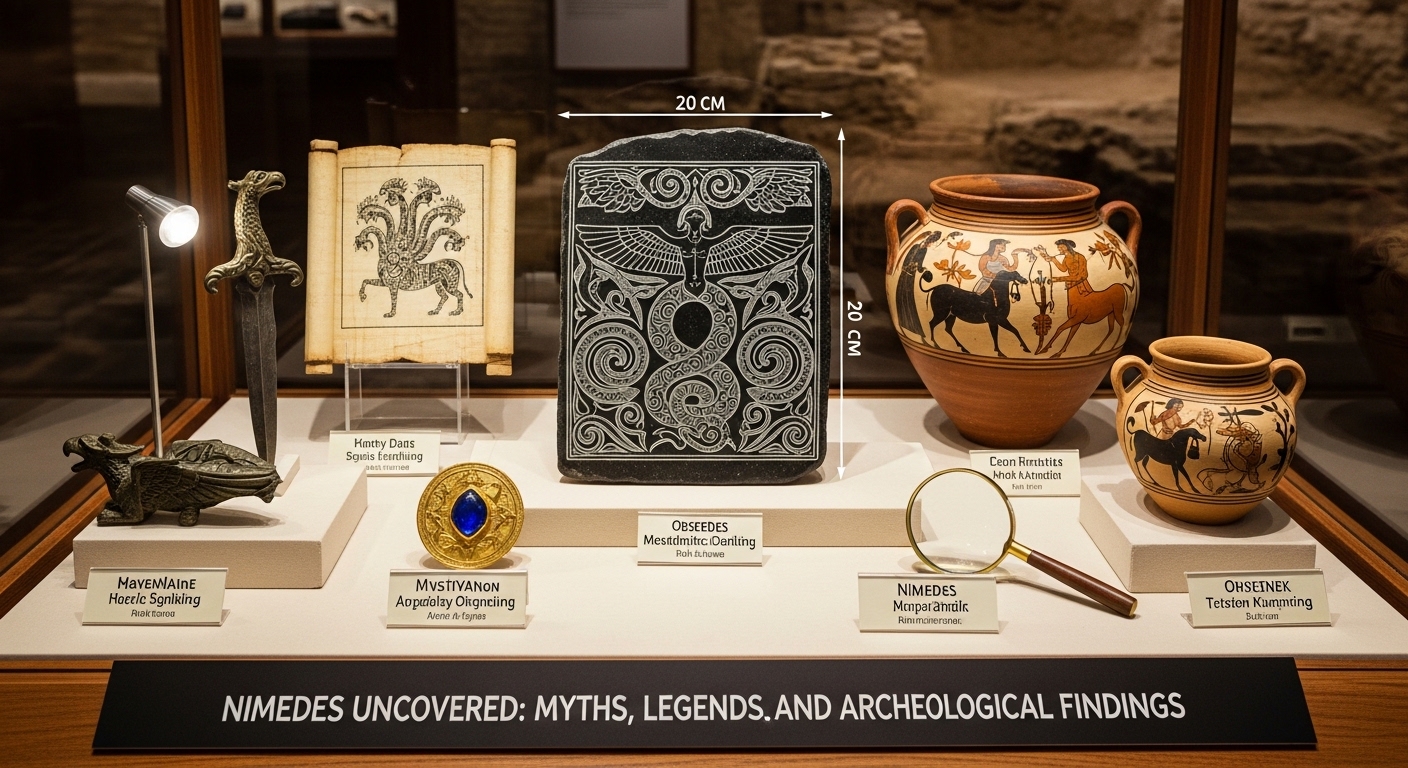
Nimedes has fascinated historians and mythologists alike, blending legends with fragments of historical reality. This enigmatic region, often described in ancient texts, evokes images of grand cities, mysterious rituals, and cultural richness. Scholars argue that Nimedes was not merely a physical location but also a symbolic representation of the spiritual and political complexities of early civilizations. The fusion of mythology with archaeological evidence offers a unique perspective, allowing us to explore the societal structures, religious practices, and daily lives of the inhabitants.
Excavations and textual analyses suggest that Nimedes played a central role in regional trade and cultural exchange. Artifacts unearthed in the region, including pottery, inscriptions, and ceremonial objects, reveal a civilization that valued craftsmanship, spiritual expression, and social hierarchy. By analyzing both mythological narratives and tangible evidence, researchers aim to reconstruct the daily realities that inspired the legends of Nimedes. These findings not only challenge previous historical assumptions but also highlight the intricate interplay between myth and archaeology in understanding the past.
| Artifact Type | Description | Estimated Age |
|---|---|---|
| Pottery | Hand-painted ceramics with symbolic motifs | 3rd Century BCE |
| Inscriptions | Stone tablets with early script | 2nd Century BCE |
| Ceremonial Objects | Ritualistic tools made from bronze and gold | 4th Century BCE |
Myths Surrounding Nimedes and Their Cultural Significance
Legends surrounding Nimedes often depict gods and heroes interacting with the mortal world, creating a rich tapestry of myth and moral instruction. These stories were passed down through generations, serving as both entertainment and ethical guidance for communities. The recurring themes of divine intervention, heroic quests, and cosmic balance illustrate the societal values and philosophical outlooks of ancient Nimedes. Myths were not only imaginative tales but also tools for understanding human behavior, morality, and the natural world.
Historical accounts combined with mythology suggest that certain rituals mentioned in these legends were grounded in real practices. Festivals, sacrifices, and architectural alignments described in the myths appear to have been reflected in actual ceremonial structures and urban planning. This interweaving of story and reality demonstrates the extent to which myth shaped cultural identity and governance. Modern researchers continue to study these tales, decoding symbolic representations that provide insights into the economic, spiritual, and political life of ancient Nimedes.
| Mythical Figure | Role in Legends | Associated Symbolism |
|---|---|---|
| Lorynthe | Protector deity of harvest | Cornucopia |
| Virellis | Hero of the great flood | Water and Renewal |
| Halcaron | Guardian of sacred knowledge | Scrolls and Keys |
Archaeological Discoveries and Their Interpretations
Excavations in Nimedes have uncovered evidence of advanced urban planning and technological innovation. Remains of fortified walls, aqueducts, and communal spaces indicate a highly organized society capable of large-scale construction projects. Archaeologists emphasize that these structures were not merely functional but also carried symbolic significance, reflecting the social hierarchy and spiritual priorities of the inhabitants. By examining construction techniques and spatial arrangements, experts can infer the cultural values and resource management strategies of ancient Nimedes.
Artifacts provide further clues about daily life and societal organization. Tools, ornaments, and pottery indicate a complex economy with skilled craftsmanship and trade networks extending beyond regional borders. The combination of inscriptions and material culture reveals not only administrative and religious practices but also patterns of social interaction. By interpreting these discoveries, researchers reconstruct the dynamics of a civilization once thought to exist only in myth, bridging the gap between legend and history in an unprecedented way.
| Discovery Type | Location Found | Implication for History |
|---|---|---|
| Fortified Walls | Nimedes Central District | Social hierarchy |
| Aqueducts | Eastern Plains | Engineering expertise |
| Ceremonial Temples | Hillside Terraces | Religious practices |
Nimedes in Contemporary Research and Popular Culture
Modern studies of Nimedes have sparked renewed interest in both academic circles and popular media. Documentaries, books, and digital reconstructions bring the ancient city to life for global audiences, blending scholarly analysis with engaging storytelling. Researchers employ advanced techniques such as 3D modeling, satellite imagery, and chemical analysis of artifacts to uncover details that were previously inaccessible. This fusion of technology and traditional archaeology enriches our understanding of Nimedes, highlighting its enduring influence on culture and scholarship.
The integration of Nimedes into popular culture has also shaped perceptions of ancient civilizations. Literature, video games, and educational content often draw on the myths and archaeological findings to craft immersive experiences. While these portrayals sometimes take creative liberties, they serve as powerful tools for engaging broader audiences with historical inquiry. The ongoing dialogue between scholarship and storytelling ensures that Nimedes remains a vibrant subject of fascination, bridging the past with contemporary curiosity and imagination.
| Medium | Example | Impact |
|---|---|---|
| Documentary Films | “Secrets of Nimedes” | Global audience reach |
| Digital Reconstructions | 3D city models of ancient Nimedes | Archaeological insights |
| Literature & Games | Fantasy novels inspired by Nimedes myths | Cultural engagement |
Conclusion
The story of Nimedes illustrates the profound interplay between myth, legend, and tangible history. By examining both archaeological findings and narrative traditions, scholars can reconstruct a civilization that was intellectually sophisticated and culturally rich. The blending of legend with evidence provides a multidimensional view of Nimedes, revealing how societies interpret their past and preserve their identity. This comprehensive approach enhances our appreciation of ancient history, showing how myths serve as windows into human imagination and cultural memory.
Future research promises to deepen our understanding of Nimedes further. Continued excavations, technological analyses, and interdisciplinary studies will shed light on unresolved questions about its origins, societal structure, and spiritual practices. By embracing both scientific rigor and the narrative richness of myths, Nimedes can be fully appreciated not only as a historical site but also as a symbol of human curiosity and cultural creativity. Its legacy reminds us that the past is never entirely lost it lives on in the stories we tell, the artifacts we preserve, and the knowledge we uncover.
-

 Lifestyle7 months ago
Snowhiter: How to Enjoy Winter While Protecting Our Planet
-

 Business7 months ago
Elk Grove Hyundai: Behind the Scenes of a Premier Dealership
-

 Lifestyle8 months ago
Pyjamaspapper: The Perfect Blend of Style and Comfort for Night Sleep
-

 Technology8 months ago
Libnk: Revolutionizing Collaboration in the Digital Age
-

 Technology6 months ago
What is Voozon.com? Is This the Best Website for Your Needs?
-

 Blog6 months ago
Flagbeez Com: Affordable and Stylish Flags for Every Occasion
-

 Entertainment8 months ago
Lwedninja: Revolutionizing Online Content Creation
-

 Technology8 months ago
UpTheSwitchLLC: Revolutionizing Your Energy Solutions