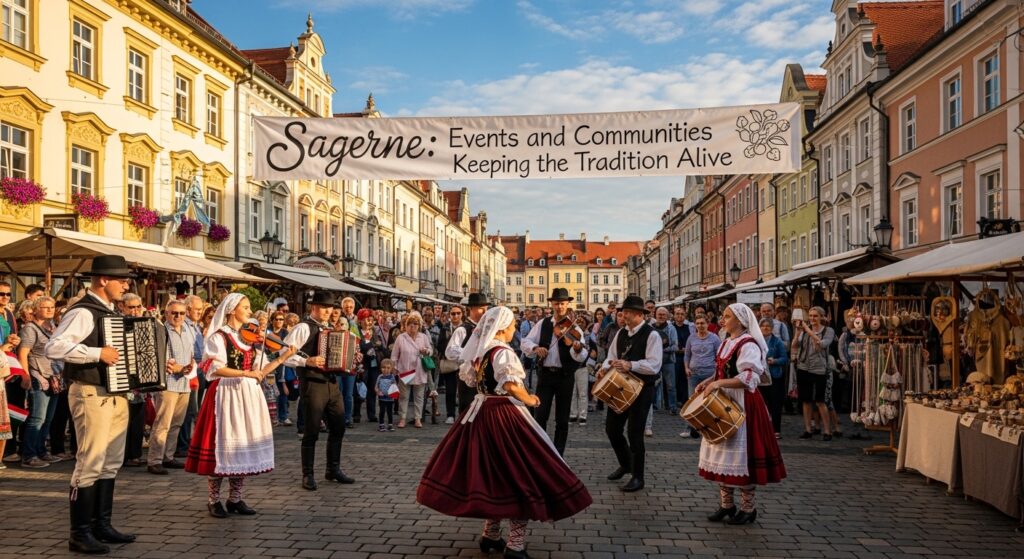
Sagerne represents more than a name or a concept; it reflects a living tradition shaped by shared memories, cultural pride, and community participation. In an age where digital trends often overshadow heritage, Sagerne continues to thrive through events and tightly connected communities that refuse to let tradition fade. From local gatherings to organized celebrations, the story of Sagerne is one of resilience, adaptation, and collective effort, making it a fascinating subject for anyone interested in cultural continuity.
Understanding the Origins of Sagerne and Its Cultural Significance
The roots of Sagerne can be traced back to a time when traditions were passed orally, and communal participation defined social identity. Historically, Sagerne emerged as a cultural expression tied to seasonal rituals, storytelling, and shared craftsmanship. These early practices allowed communities to preserve knowledge, values, and social bonds across generations. Over time, Sagerne evolved while maintaining its core identity, proving that tradition does not have to remain static to remain authentic. The cultural significance of Sagerne lies in its ability to connect people across age groups. Elders contribute wisdom and historical context, while younger participants introduce new interpretations that keep the tradition relevant. This balance between preservation and innovation is one of the defining strengths of Sagerne.
How Sagerne Events Bring People Together Across Generations
Community events play a central role in sustaining Sagerne. These gatherings are not merely celebrations; they act as living classrooms where culture is experienced rather than taught. Festivals, seasonal meetups, and regional showcases create opportunities for people to engage directly with tradition in meaningful ways. A key aspect of these events is inclusivity. Families attend together, ensuring that children grow up seeing Sagerne as a natural part of life rather than an outdated custom. The atmosphere encourages participation rather than passive observation, which strengthens emotional connections to the tradition.
Within this context, the following table illustrates how different age groups typically engage during Sagerne events, highlighting the intergenerational nature of participation.
| Age Group | Primary Role | Cultural Contribution |
|---|---|---|
| Elders | Storytelling and guidance | Preserving historical narratives |
| Adults | Organization and performance | Maintaining structure and continuity |
| Youth | Creative interpretation | Introducing modern relevance |
This dynamic interaction ensures that Sagerne remains vibrant and meaningful rather than ceremonial and distant.
The Role of Local Communities in Sustaining Sagerne
Local communities serve as the backbone of Sagerne’s survival. Without grassroots involvement, even the most cherished traditions risk fading into obscurity. Neighborhood groups, cultural associations, and informal collectives all contribute by organizing events, sharing resources, and mentoring new participants. What makes Sagerne particularly resilient is its adaptability at the community level. Each region adds subtle variations based on local history and social context, creating a diverse yet unified cultural landscape. This flexibility allows communities to take ownership of while respecting its foundational values.
Sagerne in the Modern Era: Balancing Tradition and Change
Modern life presents both challenges and opportunities for traditions like Sagerne. Urbanization, fast-paced lifestyles, and digital entertainment can reduce community engagement. However, these same forces also provide tools to expand reach and awareness. Social media platforms, community websites, and digital storytelling have allowed to reach audiences beyond its traditional boundaries. Online promotion of events helps attract younger participants who might otherwise feel disconnected. Importantly, these digital efforts do not replace physical gatherings but enhance them by building anticipation and ongoing engagement.
The table below shows how traditional and modern approaches coexist within Sagerne today, illustrating the balance that keeps it alive.
| Traditional Element | Modern Adaptation | Impact on Community |
|---|---|---|
| Oral storytelling | Recorded digital archives | Long-term preservation |
| Local gatherings | Online event promotion | Increased participation |
| Handmade artifacts | Contemporary designs | Broader appeal |
This coexistence demonstrates that modernization does not dilute tradition when handled thoughtfully.
Educational Value of Sagerne for Younger Generations
Sagerne offers significant educational value, especially for younger generations seeking a sense of identity in a globalized world. Through participation, young people learn about history, cooperation, and cultural respect. These lessons extend beyond the events themselves, influencing how individuals view community responsibility and cultural diversity. Schools and educational groups have begun collaborating with community organizers to integrate into informal learning experiences. These collaborations help reinforce the idea that culture is not confined to textbooks but lived through shared experiences.
Economic and Social Impact of Sagerne Events
Beyond cultural preservation, Sagerne events contribute to local economies and social well-being. Vendors, artisans, and performers often benefit financially, while local businesses experience increased activity during major gatherings. This economic aspect provides additional motivation for communities to invest in sustaining the tradition. Socially, events strengthen trust and cooperation among residents. Regular interaction fosters a sense of belonging that extends beyond the event itself, improving overall community cohesion. In regions where social fragmentation is a concern, traditions like Sagerne serve as unifying forces.
Challenges Facing Sagerne and How Communities Respond
Despite its resilience, Sagerne faces ongoing challenges. Limited funding, generational gaps, and competing modern interests can all threaten continuity. However, communities have responded creatively by forming partnerships, seeking sponsorships, and involving younger members in leadership roles. Transparency and collaboration are key strategies. When participants feel ownership and see tangible benefits, they are more likely to remain engaged. This proactive approach ensures that does not rely solely on nostalgia but thrives through active participation.
Global Interest and the Expanding Reach of Sagerne
While Sagerne is deeply rooted in local tradition, it has begun attracting global interest. Cultural researchers, travelers, and enthusiasts are increasingly drawn to authentic community-based traditions. This external attention brings both opportunities and responsibilities. Global exposure can provide resources and recognition, but it also requires careful management to avoid commercialization that undermines authenticity. Communities involved in have shown awareness of this balance, prioritizing cultural integrity over short-term popularity.
The Future of Sagerne in a Rapidly Changing World
Looking ahead, the future of Sagerne depends on continued community commitment and thoughtful adaptation. As long as events remain inclusive and meaningful, the tradition will continue to evolve without losing its essence. Encouraging youth leadership, embracing responsible digital tools, and fostering cross-community collaboration will be essential. story is ultimately one of people choosing connection over convenience. In a world that often values speed and novelty, this tradition stands as a reminder that shared experiences and cultural roots still matter.
Why Sagerne Remains Relevant Today
The enduring relevance of Sagerne lies in its ability to meet fundamental human needs for belonging, expression, and continuity. It is not preserved in museums alone but lived through events and communities that breathe life into tradition. This living quality ensures that remains not only remembered but actively practiced. As communities continue to gather, adapt, and celebrate, will remain a powerful example of how tradition can survive and flourish in the modern age.