
Lifestyle
Snowhiter: How to Enjoy Winter While Protecting Our Planet


Winter has always carried a special kind of magic. Snow-covered landscapes, crisp mountain air, frozen lakes, and the quiet stillness of shorter days inspire adventure, reflection, and celebration across cultures. In recent years, however, winter enjoyment has taken on a deeper responsibility. Snowhiter emerges as a modern concept that blends winter recreation with environmental consciousness, encouraging people to enjoy the cold season while actively protecting the planet. As climate change reshapes winter ecosystems, this approach offers a thoughtful way to preserve what makes winter special without harming the fragile environments that support it.
Understanding the Meaning and Vision Behind Snowhiter
Snowhiter represents more than a trend; it reflects a mindset rooted in balance. At its core, it promotes winter activities that minimize environmental damage while maximizing personal and community enjoyment. From eco-friendly skiing practices to low-impact winter tourism, this philosophy invites individuals to rethink how winter fun intersects with sustainability. As snowfall patterns become less predictable and winter habitats face increasing stress, adopting responsible seasonal practices has become essential rather than optional. Winter recreation traditionally relies on energy-intensive infrastructure, artificial snowmaking, and heavy transportation emissions. Snowhiter challenges this model by prioritizing nature-aligned enjoyment, renewable energy use, and mindful travel choices. This shift ensures winter landscapes remain intact for future generations.
Why Winter Sustainability Matters More Than Ever
Climate scientists have consistently highlighted that winter seasons are warming faster than other parts of the year in many regions. Shrinking glaciers, reduced snowpack, and disrupted wildlife cycles are visible reminders that winter ecosystems are highly sensitive. Snowhiter aligns enjoyment with preservation, acknowledging that every choice made during the cold season has long-term environmental consequences. Winter tourism contributes significantly to carbon emissions due to long-distance travel, resort energy use, and waste generation. By adopting sustainable alternatives, winter enthusiasts can reduce their footprint while still experiencing the joy of snow-based activities. This balance is not about restriction but about smarter engagement with nature.
Snowhiter and Eco-Friendly Winter Travel
Travel plays a central role in winter enjoyment, yet it is also one of the biggest environmental stressors. Snowhiter encourages conscious travel decisions that reduce emissions without sacrificing comfort or experience. Trains, shared transport, and closer-to-home destinations are becoming more attractive as awareness grows.
Below is a table illustrating how different winter travel choices compare in terms of environmental impact and experience value.
| Travel Option | Environmental Impact | Winter Experience Quality |
|---|---|---|
| Train travel to nearby winter destinations | Low emissions and energy efficient | High scenic and cultural value |
| Shared carpool trips | Moderate emissions reduced by occupancy | Flexible and social experience |
| Short-haul flights | Higher emissions per traveler | Fast but environmentally costly |
| Long-haul winter tourism | Very high carbon footprint | Memorable but unsustainable |
Snowhiter promotes choosing options that deliver meaningful winter experiences while keeping emissions as low as possible.
Sustainable Winter Clothing and Gear Choices
Winter apparel plays a surprisingly significant role in environmental impact. Fast fashion, synthetic insulation, and short product lifespans contribute to pollution and waste. Snowhiter supports durable, responsibly sourced clothing that performs well in cold conditions while respecting ecological boundaries. Natural fibers such as responsibly sourced wool, recycled insulation, and repairable outerwear reduce the need for frequent replacements. Choosing quality over quantity ensures warmth, safety, and sustainability coexist. Many modern winter brands now prioritize transparency, ethical sourcing, and circular production models that align perfectly with Snowhiter principles.
Snowhiter in Winter Sports and Outdoor Recreation
Winter sports are often associated with high resource use, especially in ski resorts that depend on artificial snow and large energy inputs. Snowhiter encourages a shift toward low-impact outdoor activities that rely on natural snowfall and minimal infrastructure. Cross-country skiing, snowshoeing, ice skating on natural surfaces, and winter hiking offer immersive experiences that connect participants directly with nature. These activities require less land alteration and energy while still delivering physical and mental benefits.
The table below shows how different winter activities compare in sustainability and accessibility.
| Winter Activity | Energy Use | Environmental Impact | Accessibility |
|---|---|---|---|
| Cross-country skiing | Low | Minimal ecosystem disruption | High |
| Snowshoeing | Very low | Nearly zero impact | Very high |
| Downhill skiing at large resorts | High | Significant land and energy use | Moderate |
| Winter hiking | Very low | Nature-friendly | High |
Snowhiter supports activities that allow people to experience winter landscapes without placing undue pressure on them.
Snowhiter and Responsible Winter Tourism Communities
Local communities often bear the environmental cost of seasonal tourism. Snowhiter emphasizes respectful engagement with these communities, supporting local economies while preserving cultural and natural heritage. Choosing locally owned accommodations, seasonal produce, and regional guides ensures tourism revenue benefits residents rather than external corporations. Responsible tourism also involves respecting wildlife habitats, minimizing waste, and following local environmental guidelines. Snowhiter reframes winter travel as a partnership with nature and communities rather than consumption of destinations.
Energy-Smart Living During the Winter Season
Winter is typically associated with higher energy consumption due to heating and lighting needs. Snowhiter promotes energy-smart living that reduces environmental impact without compromising comfort. Improved insulation, smart thermostats, and renewable energy sources play a key role in sustainable winter living. Even small changes such as reducing heating slightly, using energy-efficient lighting, and maximizing natural daylight can significantly lower emissions. When combined across communities, these habits create measurable positive effects on winter energy demands.
Snowhiter and Wildlife Protection in Cold Climates
Winter is a critical survival period for many species. Human activity during this time can disrupt feeding patterns, migration routes, and shelter availability. Snowhiter advocates mindful interaction with winter wildlife by maintaining distance, respecting protected areas, and avoiding activities that disturb animals during vulnerable months. Preserving winter habitats ensures ecosystems remain balanced and resilient. This respect for wildlife strengthens the ethical foundation of winter enjoyment and aligns human recreation with natural rhythms.
Snowhiter as a Lifestyle Rather Than a Trend
Unlike short-lived environmental movements, Snowhiter is best understood as a long-term lifestyle approach. It integrates environmental responsibility into seasonal habits, encouraging people to see winter not as a resource to exploit but as a shared experience to protect. From choosing sustainable gifts during winter holidays to reducing waste at seasonal events, Snowhiter influences everyday decisions. This holistic approach ensures that winter traditions remain meaningful while adapting to modern environmental realities.
Economic and Environmental Benefits of Snowhiter Practices
Adopting Snowhiter principles benefits both the environment and the economy. Sustainable winter tourism creates stable jobs, reduces seasonal boom-and-bust cycles, and preserves natural assets that attract visitors year after year.
The following table highlights how Snowhiter-aligned practices compare with traditional winter models.
| Aspect | Traditional Winter Model | Snowhiter Approach |
|---|---|---|
| Resource use | High and often wasteful | Efficient and mindful |
| Community benefit | Limited local retention | Strong local engagement |
| Environmental impact | Long-term ecosystem strain | Reduced ecological footprint |
| Longevity | Vulnerable to climate change | More resilient and adaptive |
This balance makes Snowhiter an appealing framework for policymakers, businesses, and individuals alike.
The Future of Winter Through the Snowhiter Lens
As climate challenges intensify, the future of winter depends on collective action and conscious choices. Snowhiter provides a practical and inspiring roadmap for enjoying cold seasons responsibly. It proves that sustainability does not diminish enjoyment but enriches it by deepening our connection to nature. By aligning recreation, travel, and daily habits with environmental care, Snowhiter ensures that winter remains vibrant, accessible, and meaningful for generations to come. The snowy landscapes we cherish today can still exist tomorrow if protected through thoughtful, planet-first approaches.
Conclusion
Snowhiter represents a thoughtful evolution in how people experience winter. It recognizes the beauty, joy, and cultural importance of the cold season while addressing the urgent need for environmental protection. By adopting sustainable travel, mindful recreation, ethical consumption, and energy-smart living, individuals can enjoy winter fully without compromising the planet’s health. This approach transforms winter enjoyment into an act of stewardship, ensuring that snowy landscapes, wildlife, and traditions endure well into the future.
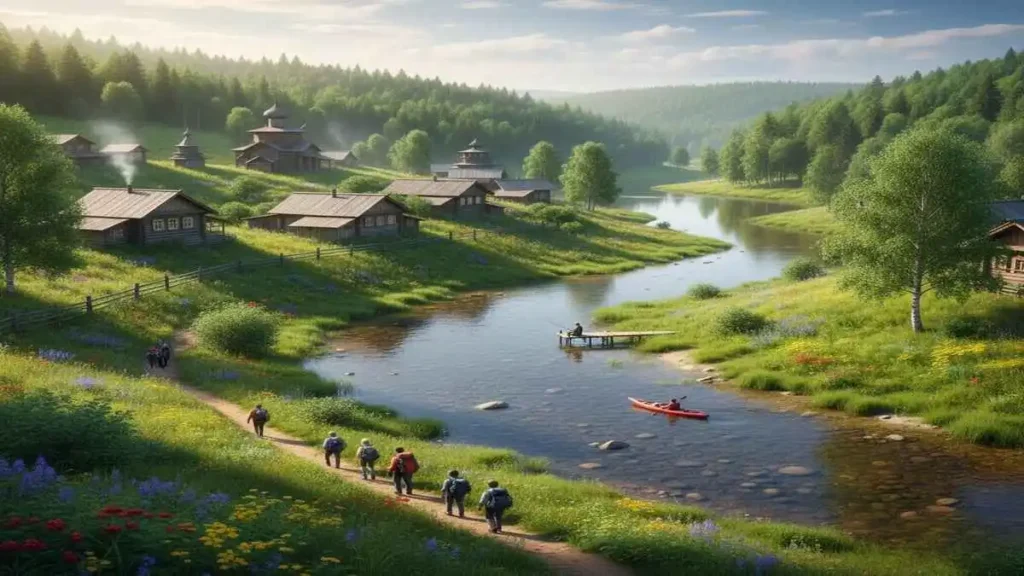
Nestled in the heart of Russia lies a hidden gem that often escapes the spotlight: Mebalovo. This quaint village is not just another dot on the map; it embodies a rich tapestry of nature, history, and community spirit. If you’re searching for an off-the-beaten-path destination that offers breathtaking landscapes and a sense of belonging, then Mebalovo might just be what you’re looking for. Here, traditions thrive alongside modern life, creating a unique charm that’s hard to resist. Whether you’re an adventurer at heart or simply someone who enjoys soaking up local culture, Mebalovo welcomes you with open arms and endless possibilities. Let’s explore what makes this enchanting place so special!
What is Mebalovo?
Mebalovo is a quaint village tucked away in the heart of Russia. Known for its stunning landscapes and rich heritage, it offers a serene escape from urban life.
This charming destination is located within the Tver region, surrounded by lush forests and flowing rivers. The picturesque scenery captivates visitors year-round.
The village itself boasts traditional Russian architecture, giving travelers a glimpse into local culture. Cobblestone streets wind through Mebalovo, inviting exploration at every turn.
Community spirit thrives here. Locals take pride in their history and welcome visitors with warm hospitality. Each corner of this peaceful haven tells an intriguing story waiting to be discovered.
Nature lovers will find solace amidst the pristine beauty surrounding Mebalovo. Whether you’re hiking or simply enjoying the view, there’s something magical about being in this tranquil setting.
The Natural Beauty of Mebalovo
Mebalovo is a hidden gem, enveloped in lush greenery and serene landscapes. The natural beauty here is breathtaking, with rolling hills that seem to stretch endlessly under the azure sky.
The village sits beside winding rivers, where crystal-clear waters reflect the surrounding flora. Wildflowers bloom in vibrant colors during springtime, painting the countryside with hues of yellow, purple, and pink.
Thick forests provide shelter for diverse wildlife. Birdwatchers will delight in spotting rare species flitting through the trees. Hiking trails invite adventurers to explore this picturesque scenery up close.
As you wander through Mebalovo’s tranquil paths, you may encounter quaint meadows perfect for picnicking or simply soaking in nature’s beauty. Each season brings its own charm winter transforms it into a sparkling wonderland while autumn cloaks it in warm tones of orange and red. Whether you’re seeking solitude or adventure, Mebalovo offers an enchanting escape into nature’s embrace.
A Glimpse into the History of Mebalovo
Mebalovo is steeped in a rich tapestry of history that dates back centuries. Nestled within the scenic landscapes of Russia, this charming village has witnessed numerous changes over time.
Originally established as a small settlement, Mebalovo grew around agriculture and trade routes. Its strategic location made it an essential hub for travelers and merchants alike.
As the years passed, local architecture flourished, showcasing traditional Russian styles that still grace its streets today. Historical landmarks tell tales of resilience and community spirit through various hardships.
The village was not immune to larger historical events either. Mebalovo played its part during significant periods, from imperial rule to modern-day transformations. Exploring these stories adds depth to any visit. Each corner reveals remnants of its past waiting to be discovered by curious wanderers eager for connection with history.
The Community of Mebalovo
The community of Mebalovo is vibrant and welcoming. Residents take great pride in their hometown, fostering a strong sense of belonging. Life here revolves around shared traditions and local events. Throughout the year, festivals bring everyone together to celebrate culture, arts, and cuisine. These gatherings create bonds that last a lifetime. Neighbors look out for one another, making it easy to feel at home. Children play freely in safe spaces while adults engage in various activities that promote unity.
Mebalovo’s residents are passionate about preserving their heritage. Many participate actively in initiatives aimed at sustaining the environment and cultural landmarks. This dedication reflects their deep-rooted connection to the land. Visitors often remark on the warmth of Mebalovo’s people. Their openness invites newcomers to explore not just the beauty of nature but also the heartwarming spirit of community life.
Activities and Attractions in Mebalovo
Mebalovo offers an array of activities that cater to nature lovers and adventure seekers alike. Hiking trails wind through stunning landscapes, revealing breathtaking views at every turn. Exploring the lush forests is a great way to connect with nature. Fishing enthusiasts will find peace along local rivers teeming with fish. It’s an ideal spot for both beginners and seasoned anglers looking for tranquility.
For those interested in history, visiting nearby heritage sites provides insights into Mebalovo’s rich past. These locations are perfect for capturing memorable photographs. Cultural festivals often take place throughout the year, showcasing traditional music and dance. Engaging with locals during these events adds depth to your experience. If you’re seeking relaxation, spend time by the picturesque lakes or indulge in picnics amidst vibrant wildflowers. Each activity here reflects the unique charm that Mebalovo embodies.
Local Cuisine and Traditions
Mebalovo offers a delightful taste of traditional Russian cuisine. Local dishes reflect the rich agricultural heritage and cultural influences that have shaped this charming village. One must-try is “borscht,” a hearty beet soup often served with sour cream. It’s warm, vibrant, and packed with flavors. Another local favorite is “pelmeni,” dumplings filled with meat or mushrooms. They’re perfect for sharing during family gatherings.
Food here isn’t just about sustenance; it embodies the spirit of community. Festivals often feature communal meals where locals showcase their culinary skills. Traditional drinks like kvass provide a refreshing complement to meals, made from fermented rye bread for a distinct flavor profile. These culinary experiences in Mebalovo are deeply intertwined with its customs and celebrations, making every bite an exploration of history and culture.
How to Plan Your Visit to Mebalovo
Planning your visit to Mebalovo can be an exciting adventure. Start by choosing the right season. Each time of year offers a unique experience, from blooming wildflowers in spring to vibrant autumn foliage. Consider how you’ll get there. If driving, research local routes for scenic views. Public transport options are available too, making it accessible for everyone. Accommodation ranges from cozy guesthouses to charming hotels. Booking ahead is advisable during peak seasons, so you don’t miss out on your preferred stay.
Pack appropriately based on activities planned hiking boots for trails or casual wear for local dining experiences. Don’t forget essentials like a camera; the landscapes are breathtaking! Before heading out, look up community events and festivals happening during your visit. Engaging with locals adds depth to the experience and makes memories even more special.
The Charm of Mebalovo: A Must-Visit Destination
Mebalovo beckons travelers with its enchanting landscapes and rich tapestry of history. Nestled amidst lush greenery, this hidden gem offers an escape from the chaos of city life. Every corner reveals something special, whether it’s a tranquil river meandering through ancient woods or quaint houses steeped in local lore. The air is filled with the scent of wildflowers, inviting visitors to explore.
The warmth of the Mebalovo community adds another layer to its charm. Locals are eager to share their stories and traditions, creating connections that linger long after your visit.
With countless activities ranging from hiking scenic trails to indulging in homemade delicacies, Mebalovo promises experiences that cater to every kind of adventurer. This destination is not just about sightseeing; it’s about embracing moments and memories crafted in nature’s embrace.
Conclusion
Mebalovo is a hidden gem that invites you to explore its rich history, breathtaking natural landscapes, and vibrant community. Whether you are an adventurer seeking outdoor activities or someone looking to immerse yourself in local culture and cuisine, Mebalovo has something for everyone. From picturesque trails to charming historical sites, every corner of this village tells a story waiting to be discovered.
As you plan your visit, keep an open heart ready for new experiences. Engage with the friendly residents who take pride in their home and traditions. Savor the unique flavors of local dishes crafted with love and care. Each moment spent in Mebalovo enriches your journey.
If you’re searching for a destination that combines tranquility with excitement, look no further than Mebalovo. With its captivating charm and welcoming atmosphere, it’s sure to leave lasting memories long after you’ve returned home. Embrace the beauty of this enchanting place; it might just become one of your favorite travel stories yet!


-

 Business7 months ago
Elk Grove Hyundai: Behind the Scenes of a Premier Dealership
-

 Lifestyle8 months ago
Pyjamaspapper: The Perfect Blend of Style and Comfort for Night Sleep
-

 Technology8 months ago
Libnk: Revolutionizing Collaboration in the Digital Age
-

 Technology6 months ago
What is Voozon.com? Is This the Best Website for Your Needs?
-

 Blog6 months ago
Flagbeez Com: Affordable and Stylish Flags for Every Occasion
-

 Technology8 months ago
UpTheSwitchLLC: Revolutionizing Your Energy Solutions
-

 Entertainment8 months ago
Lwedninja: Revolutionizing Online Content Creation
-
 Lifestyle8 months ago
Otelia Cox: The Inspiring Journey of a Visionary Leader