
Lifestyle
Cñims: How to Effectively Integrate into Your Daily Life


In today’s fast-paced world, individuals constantly seek tools and practices that can enhance their productivity, well-being, and overall lifestyle. Among these, Cñims has emerged as a unique and transformative approach, offering individuals the opportunity to streamline their daily routines while promoting balance and focus. Integrating Cñims into daily life may seem challenging at first, but with thoughtful strategies and consistent practice, its benefits can become deeply impactful.
Understanding the concept of Cñims is the first step toward meaningful integration. Unlike conventional methods that focus solely on efficiency or habit formation, Cñims emphasizes a holistic approach. It encourages individuals to harmonize their mental, physical, and emotional processes, creating an environment where productivity and personal satisfaction coexist.
The Foundations of Cñims in Everyday Life
At its core, Cñims is not merely a tool or a trend; it is a framework that guides daily actions and decisions. It can be thought of as a philosophy that prioritizes intentional living, where each activity and decision aligns with broader personal goals and values. By understanding the underlying principles, individuals can cultivate a sense of direction and purpose, which is often lacking in chaotic routines.
The foundational aspects of Cñims revolve around awareness, balance, and adaptability. Awareness involves recognizing the patterns that dominate one’s life and identifying areas that may benefit from positive change. Balance ensures that work, rest, and leisure coexist without compromising well-being. Adaptability, meanwhile, allows individuals to adjust their approach as circumstances evolve, ensuring that the integration of Cñims remains relevant and effective.
| Aspect of Cñims | Description | Daily Application |
|---|---|---|
| Awareness | Understanding personal routines and habits | Start the day with a reflection on priorities |
| Balance | Harmonizing work, rest, and leisure | Schedule breaks and self-care activities |
| Adaptability | Adjusting to changing circumstances | Modify daily plans when unexpected events arise |
The Mental Benefits of Cñims Integration
One of the most compelling reasons to incorporate Cñims into daily life is its positive impact on mental clarity and cognitive function. By fostering structured yet flexible routines, Cñims reduces mental clutter and enhances focus. Individuals report increased efficiency in completing tasks, improved decision-making, and a heightened sense of presence in their daily activities.
Mental integration begins with small, intentional steps. For instance, morning routines can be designed to incorporate moments of reflection or mindfulness, setting a tone of calm and intentionality for the rest of the day. Over time, this consistent mental conditioning strengthens the ability to manage stress, reduces feelings of overwhelm, and enhances overall cognitive resilience.
Incorporating Cñims into Physical Health Routines
While Cñims has significant mental benefits, it is equally impactful for physical health. The philosophy encourages individuals to recognize the interconnectedness of body and mind, promoting practices that support both. Physical integration can include structured exercise schedules, mindful movement practices, or even intentional periods of rest that align with natural circadian rhythms.
An illustrative example of physical integration is designing a weekly routine that combines aerobic activity, strength training, and restorative practices. This ensures that the body receives comprehensive care, supporting energy levels, resilience, and overall vitality.
| Day of the Week | Activity | Cñims Principle Applied |
|---|---|---|
| Monday | Light cardio | Awareness of energy levels |
| Wednesday | Strength training | Balance between intensity and recovery |
| Friday | Yoga or stretching | Adaptability to reduce stress |
| Sunday | Rest and reflection | Integration of mental and physical wellness |
Emotional Harmony through Cñims
Beyond mental and physical benefits, Cñims offers profound emotional advantages. Integrating it into daily life nurtures emotional awareness, encourages healthy expression of feelings, and fosters resilience in the face of challenges. By creating structured routines that allow for reflection, journaling, or social connection, individuals can manage emotional fluctuations more effectively.
Emotional integration often starts with identifying triggers and patterns in daily interactions. By consciously applying Cñims principles, one can respond to stressful situations with calmness, maintain healthier relationships, and cultivate an environment of emotional stability.
Practical Strategies for Daily Integration
Effectively integrating Cñims requires more than understanding its principles; it demands actionable strategies. Daily integration can begin with small adjustments in routines and gradually expand into comprehensive lifestyle shifts. Morning rituals, time-blocking techniques, and intentional reflection periods serve as practical tools that anchor the philosophy in everyday life.
Consistency is key. By establishing habits that reinforce the principles of Cñims, the approach becomes an effortless part of the daily rhythm. Additionally, it is important to remain flexible, allowing routines to evolve without losing the essence of mindful integration.
| Strategy | Description | Example |
|---|---|---|
| Morning Ritual | Start the day with focus | Meditation or goal-setting |
| Time-Blocking | Allocate dedicated time for tasks | Assign specific hours for work and leisure |
| Reflection Periods | Assess progress and mindset | Evening journaling to review achievements |
Challenges and How to Overcome Them
While the integration of Cñims offers numerous benefits, individuals may encounter challenges along the way. Resistance to change, inconsistent practice, or external pressures can impede progress. Understanding these challenges as part of the process is essential. By adopting a patient and flexible approach, individuals can navigate obstacles without losing momentum.
Techniques such as gradual habit formation, seeking social support, or leveraging digital tools for reminders can make the integration process more manageable. Emphasizing progress over perfection ensures that Cñims remains a supportive framework rather than a source of stress.
Long-Term Benefits of Cñims Integration
Over time, the consistent application of Cñims transforms not only daily routines but overall lifestyle quality. Individuals experience enhanced focus, better stress management, improved physical health, and deeper emotional resilience. Furthermore, the philosophy encourages a mindset of continuous improvement, fostering personal growth and self-awareness.
Long-term integration also promotes adaptability in dynamic environments. Whether dealing with career changes, personal challenges, or shifting life priorities, individuals who have incorporated Cñims find themselves better equipped to navigate complexities with clarity and calm.
| Benefit | Short-Term Impact | Long-Term Impact |
|---|---|---|
| Mental clarity | Improved focus | Enhanced decision-making |
| Physical health | Increased energy | Sustained vitality |
| Emotional resilience | Better stress management | Stronger interpersonal relationships |
| Lifestyle balance | Reduced overwhelm | Holistic well-being |
Conclusion
Integrating Cñims into daily life is a journey of intentional living, offering mental, physical, and emotional benefits. Its principles of awareness, balance, and adaptability provide a robust framework for enhancing productivity, well-being, and overall satisfaction. By gradually incorporating Cñims into routines, individuals can create a life that is not only efficient but also meaningful, harmonious, and fulfilling.
The transformative power of Cñims lies in its versatility it can be adapted to diverse lifestyles and unique personal goals. Through mindful integration, the philosophy becomes a guiding force, helping individuals navigate life’s complexities with clarity, confidence, and purpose.

In the vast tapestry of global travel destinations, Nomurano stands as a remarkable yet underappreciated jewel. While travelers often flock to well-trodden locations, Nomurano offers an unparalleled experience for those willing to step off the beaten path. This hidden gem combines natural beauty, cultural richness, and tranquil environments, creating an immersive travel experience unlike any other. Its charm lies not only in what is visible but in the subtle interactions with its environment, history, and local communities.
Exploring Nomurano is like uncovering a secret world where nature and culture exist in perfect harmony. Visitors often remark on the striking contrast between its lush landscapes and the serenity of its historic streets. Unlike bustling metropolises, Nomurano invites travelers to slow down, breathe, and truly engage with the surroundings. The gentle pace of life here allows for reflection and a connection to a place untouched by the overwhelming commercialism of mainstream tourism.
The Natural Wonders of Nomurano
The landscapes of Nomurano are diverse and captivating. Rolling hills, crystal-clear rivers, and dense forests provide an ever-changing backdrop for exploration. Nature enthusiasts can enjoy hiking trails that wind through untouched wilderness, offering panoramic views that remain etched in memory long after the visit. Seasonal changes paint the scenery in vivid colors, from the blossoms of spring to the fiery hues of autumn.
A closer look at Nomurano’s natural features reveals a fascinating ecosystem. Local flora and fauna thrive in protected areas, offering opportunities for wildlife observation and ecological tourism. For travelers seeking peace and inspiration, the combination of quiet nature trails and reflective riverside spots is unparalleled.
| Feature | Description | Best Time to Visit |
|---|---|---|
| Rolling Hills | Gentle slopes with panoramic views | Spring and Autumn |
| Crystal Rivers | Clear water ideal for kayaking and photography | Summer |
| Dense Forests | Rich biodiversity and shaded trails | Year-round |
| Scenic Lookouts | Natural viewpoints across the landscape | Sunset |
The table above highlights a few of the most remarkable natural attractions that define Nomurano. Each feature invites exploration while providing an opportunity to disconnect from the pressures of modern life.
Cultural Richness in Nomurano
Beyond its natural allure, Nomurano is steeped in history and cultural significance. The town’s architecture reflects centuries of development, blending traditional styles with subtle modern adaptations. Walking through its streets, one encounters quaint houses, local markets, and artisan workshops that preserve centuries-old crafts. Each building and street tells a story, contributing to the narrative of Nomurano as a place where history and daily life coexist.
The community of Nomurano is equally compelling. Festivals, culinary traditions, and communal activities provide travelers with immersive cultural experiences. Seasonal celebrations bring the town to life, showcasing music, dance, and rituals that are both entertaining and educational. Visitors have the opportunity to engage with local artisans, learning traditional crafts and understanding the philosophical underpinnings of the region’s customs.
Culinary Experiences in Nomurano
No journey through Nomurano would be complete without experiencing its culinary landscape. Local cuisine reflects the region’s agricultural richness and cultural history. Fresh ingredients are prepared with time-honored techniques, creating dishes that are both flavorful and representative of the area’s identity. Small family-owned restaurants offer authentic meals that connect visitors directly with the heart of Nomurano’s community.
A unique aspect of Nomurano’s food culture is the emphasis on seasonal ingredients. Chefs take pride in sourcing locally, ensuring that each dish celebrates the flavors of the moment. Visitors often find that meals in Nomurano are not just about taste but also about storytelling, with each recipe carrying memories and traditions passed down through generations.
| Dish | Ingredients | Cultural Significance |
|---|---|---|
| River Trout Special | Fresh trout, herbs, and local spices | Celebrates local rivers and sustainable fishing |
| Forest Mushroom Stew | Seasonal mushrooms, root vegetables | Showcases forest foraging traditions |
| Heritage Grain Bread | Whole grains, natural fermentation | Represents agricultural heritage of the region |
| Festival Sweet Treats | Local fruits, honey, and nuts | Integral part of seasonal celebrations |
This table highlights a selection of dishes that visitors should not miss. Each culinary experience is more than just a meal it is a direct connection to Nomurano’s cultural and environmental heritage.
Activities and Exploration in Nomurano
Travelers seeking active experiences will find plenty to do in Nomurano. Hiking, kayaking, and guided nature tours are popular ways to explore the region’s natural landscapes. Photography enthusiasts are drawn to Nomurano’s photogenic vistas, from sunrise over rolling hills to the reflections in tranquil rivers. Even those who prefer a slower pace can enjoy walking tours of the town, learning about its history, architecture, and local folklore.
Engaging in community-driven activities adds another layer of depth to the experience. Workshops in traditional crafts, culinary classes, and participatory festivals allow travelers to immerse themselves fully in local life. These experiences not only provide memories but also foster a deeper appreciation for the people and culture of Nomurano.
| Activity | Location | Ideal Season |
|---|---|---|
| Hiking | Rolling Hills | Spring and Autumn |
| Kayaking | Crystal Rivers | Summer |
| Photography Tours | Scenic Lookouts | Year-round |
| Cultural Workshops | Town Center | Year-round |
The above table provides a snapshot of activities that help visitors engage with both the natural and cultural aspects of Nomurano. Each experience is designed to deepen the traveler’s connection to the region.
Accommodations in Nomurano
Nomurano offers a range of accommodations suited to different preferences, from cozy guesthouses to boutique hotels. Many of these establishments are family-run, reflecting the warm hospitality that defines the town. Staying in Nomurano provides a sense of intimacy and comfort, with opportunities to interact closely with local hosts and learn about their way of life.
For those seeking luxury, several boutique lodges provide premium amenities while maintaining harmony with the surrounding environment. Sustainability is a key consideration in Nomurano’s accommodations, ensuring that tourism growth does not compromise the integrity of the natural and cultural landscapes.
| Accommodation Type | Features | Ideal For |
|---|---|---|
| Guesthouses | Cozy, family-run, authentic experience | Travelers seeking cultural immersion |
| Boutique Hotels | Premium amenities, scenic views | Visitors wanting comfort with character |
| Eco-Lodges | Sustainable, close to nature | Environmentally conscious travelers |
| Riverside Cabins | Scenic, private | Couples or solitude seekers |
This table summarizes accommodation options that cater to a wide range of preferences, emphasizing both comfort and cultural engagement.
Why Nomurano Remains a Hidden Gem
Despite its many attractions, Nomurano has remained relatively unknown in mainstream travel circles. Its limited exposure has helped preserve the authenticity and serenity that make it unique. Unlike over-touristed destinations, Nomurano allows visitors to experience genuine connections with nature and local culture.
Travelers who discover Nomurano often describe it as transformative. The town’s blend of tranquility, culture, and natural beauty creates an environment conducive to reflection, learning, and rejuvenation. Whether seeking adventure, relaxation, or cultural insight, Nomurano offers an experience that leaves a lasting impression.
Conclusion
Nomurano is more than just a travel destination it is an experience that combines the best of natural beauty, cultural richness, and community engagement. Its hidden status makes it a haven for travelers seeking authenticity and a slower pace of life. From lush landscapes to immersive culinary and cultural experiences, Nomurano is a destination that rewards curiosity and exploration. For those willing to venture off the well-worn path, Nomurano promises a journey of discovery that remains with visitors long after they leave.


The term Valplekar has garnered attention in recent years, representing a concept that blends historical significance with modern utility. While many encounter it in passing, the depth of its origins and applications often goes unnoticed. Understanding Valplekar requires tracing its roots, examining its cultural importance, and exploring how it has evolved to meet contemporary demands. From traditional contexts to technological adaptations, Valplekar continues to inspire curiosity among scholars, industry experts, and enthusiasts alike.
Historical Origins of Valplekar
The origins of Valplekar are rooted in centuries-old traditions, where it played a crucial role in shaping local customs and societal practices. Historical documents suggest that Valplekar emerged in regions where craftsmanship, resource management, and intellectual exchange intersected. Initially, Valplekar served not only as a tool but also as a symbol of knowledge and community identity. Over time, its significance expanded beyond local spheres, contributing to broader cultural narratives that influenced trade, governance, and education. Understanding these historical foundations provides a framework for appreciating why Valplekar remains relevant today. It is not merely a term of historical curiosity but a concept deeply intertwined with human progress and innovation.
Cultural Significance of Valplekar
The cultural impact of Valplekar cannot be overstated. In early societies, it symbolized wisdom and technical proficiency. Families often passed down the knowledge, making it a marker of heritage and a testament to generational expertise. Artistic expressions, rituals, and communal activities frequently incorporated, reinforcing its presence in daily life. Additionally, Valplekar played a role in educational systems, where it became a method for teaching strategy, logic, and problem-solving. Scholars documented its techniques, ensuring that knowledge was preserved across generations. As such, the cultural imprint of extends into modern pedagogical methods, where its principles still inform critical thinking and innovation.
Modern Applications of Valplekar
Today, Valplekar finds relevance in diverse fields. Its traditional principles have been adapted to modern workflows, digital environments, and industry-specific processes. Professionals employ methodologies to optimize efficiency, enhance creativity, and improve decision-making. From technology development to organizational management, serves as a bridge connecting historical wisdom with contemporary innovation. For example, in corporate settings, Valplekar strategies are implemented to streamline operations, fostering a balance between structured planning and flexible execution. Similarly, in digital design and programming, the core principles of inspire approaches that prioritize clarity, functionality, and user experience.
Valplekar in Education and Research
Education and research sectors have also embraced Valplekar. Universities and think tanks examine it as a model for interdisciplinary studies, linking history, sociology, and modern innovation. The research around often focuses on its adaptability, analyzing how age-old strategies can inform modern problem-solving techniques.
| Area of Study | Application of Valplekar | Benefits |
|---|---|---|
| History | Tracing origins and evolution | Preservation of cultural knowledge |
| Technology | Workflow optimization | Increased efficiency and creativity |
| Education | Teaching strategic thinking | Development of analytical skills |
| Organizational Management | Decision-making frameworks | Improved productivity and planning |
This table demonstrates how Valplekar bridges diverse domains, offering practical solutions while maintaining cultural integrity.
Technological Integration of Valplekar
The digital era has given rise to innovative applications of Valplekar. Advanced software, artificial intelligence, and workflow management tools incorporate the foundational principles of to enhance user experience and operational efficiency. By simulating traditional methods within digital frameworks, professionals can harness the strategic power of without losing its inherent value. Technological integration also allows Valplekar to scale beyond local or regional contexts. Global industries leverage its methodologies to create adaptable frameworks capable of addressing complex challenges. This combination of tradition and innovation positions as a timeless asset in professional and technological landscapes.
Valplekar and Creative Industries
Creative industries, including design, media, and arts, have found inspiration in Valplekar. Its principles of structure, balance, and iterative development resonate with creative workflows, helping professionals produce innovative outcomes while maintaining clarity. By applying, artists and designers can approach projects with a methodical yet flexible mindset, balancing creativity with practical execution. Moreover, encourages collaboration, a vital component of modern creative industries. Teams adopting its frameworks benefit from structured communication, improved resource allocation, and enhanced problem-solving capabilities. The result is a culture of innovation rooted in historical wisdom.
Challenges and Limitations
Despite its benefits, applying Valplekar in contemporary settings comes with challenges. One limitation is the need for contextual adaptation; traditional practices may not always align perfectly with modern environments. Additionally, organizations and individuals must invest time in understanding the nuances of to fully leverage its potential. However, these challenges also present opportunities for innovation. By analyzing limitations and tailoring strategies, professionals can create customized applications, enhancing its relevance and impact in modern industries.
Future Outlook of Valplekar
Looking ahead, Valplekar is poised to become increasingly influential across various sectors. As interdisciplinary approaches gain prominence, the fusion of historical wisdom and modern innovation embodied by will continue to drive progress. Emerging technologies, collaborative platforms, and global knowledge-sharing networks will further expand the applicability, ensuring that its principles remain relevant for future generations. The ongoing evolution of reflects a broader trend: the integration of cultural heritage with modern practices. This synergy not only preserves tradition but also fuels innovation, allowing to transcend its historical roots and adapt to the dynamic demands of the 21st century.
Conclusion
In summary, Valplekar represents a unique intersection of history, culture, and modern application. Its origins reveal a rich heritage, its cultural significance underscores the value of tradition, and its modern adaptations demonstrate versatility across industries. By understanding and applying, individuals and organizations can enhance problem-solving, creativity, and strategic thinking. From educational frameworks to technological systems and creative workflows, offers a comprehensive toolkit for navigating contemporary challenges while honoring historical wisdom. Its enduring relevance ensures that will remain a valuable concept for generations to come, bridging the past with the future in meaningful and practical ways.
-

 Entertainment1 month ago
W0wkino: The Ultimate Platform for Streaming Movies and Series
-

 Lifestyle1 month ago
Pyjamaspapper: The Perfect Blend of Style and Comfort for Night Sleep
-

 Technology1 month ago
Libnk: Revolutionizing Collaboration in the Digital Age
-

 Blog1 month ago
Flagbeez Com: Affordable and Stylish Flags for Every Occasion
-

 Technology1 month ago
DrBulldevil: Trends, Achievements, and Future Prospects
-

 Technology1 month ago
Ontpress com: Revolutionizing Online Publishing
-

 Lifestyle1 month ago
Haskawana: How to Enjoy While Preserving Its Beauty
-
 Blog1 month ago
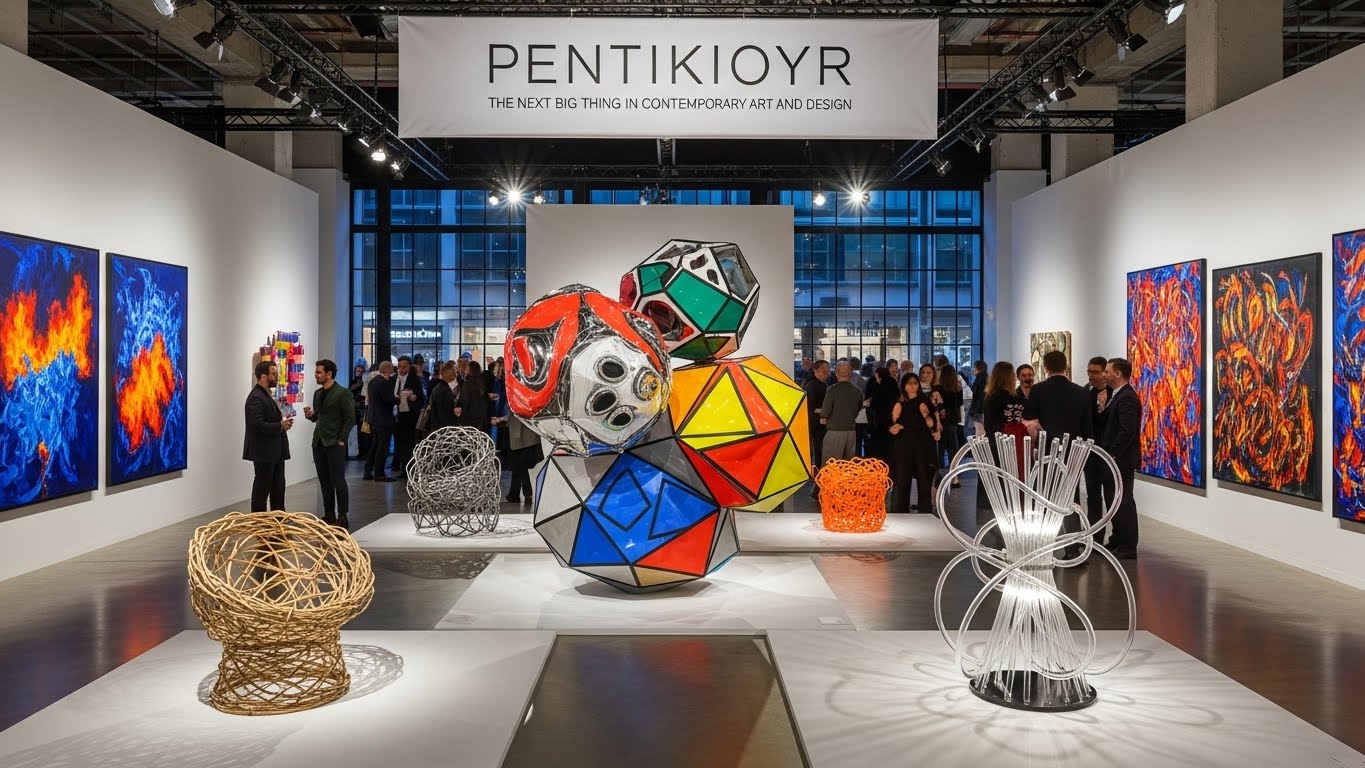
Pentikioyr: The Next Big Thing in Contemporary Art and Design