
Lifestyle
Sagerne: Events and Communities Keeping the Tradition Alive

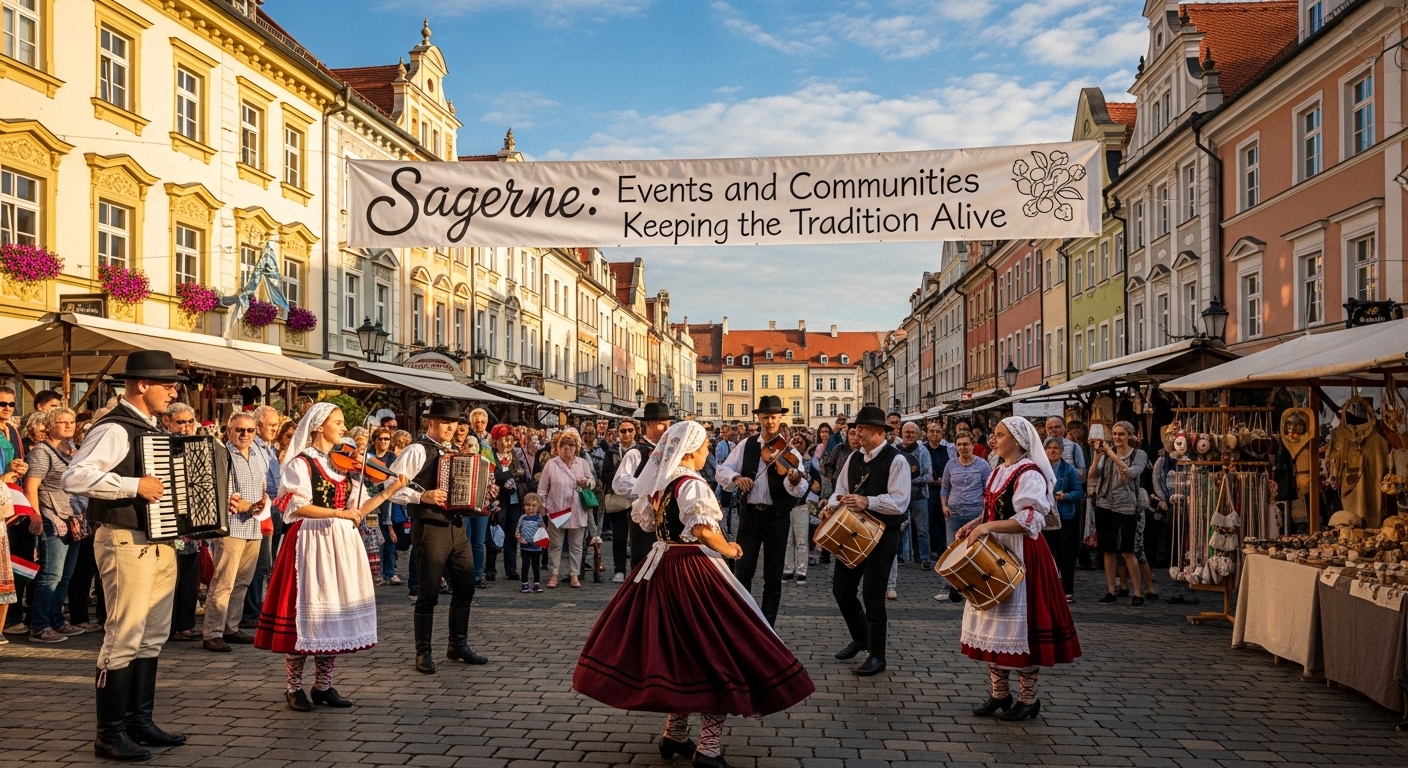
Sagerne represents more than a name or a concept; it reflects a living tradition shaped by shared memories, cultural pride, and community participation. In an age where digital trends often overshadow heritage, Sagerne continues to thrive through events and tightly connected communities that refuse to let tradition fade. From local gatherings to organized celebrations, the story of Sagerne is one of resilience, adaptation, and collective effort, making it a fascinating subject for anyone interested in cultural continuity.
Understanding the Origins of Sagerne and Its Cultural Significance
The roots of Sagerne can be traced back to a time when traditions were passed orally, and communal participation defined social identity. Historically, Sagerne emerged as a cultural expression tied to seasonal rituals, storytelling, and shared craftsmanship. These early practices allowed communities to preserve knowledge, values, and social bonds across generations. Over time, Sagerne evolved while maintaining its core identity, proving that tradition does not have to remain static to remain authentic. The cultural significance of Sagerne lies in its ability to connect people across age groups. Elders contribute wisdom and historical context, while younger participants introduce new interpretations that keep the tradition relevant. This balance between preservation and innovation is one of the defining strengths of Sagerne.
How Sagerne Events Bring People Together Across Generations
Community events play a central role in sustaining Sagerne. These gatherings are not merely celebrations; they act as living classrooms where culture is experienced rather than taught. Festivals, seasonal meetups, and regional showcases create opportunities for people to engage directly with tradition in meaningful ways. A key aspect of these events is inclusivity. Families attend together, ensuring that children grow up seeing Sagerne as a natural part of life rather than an outdated custom. The atmosphere encourages participation rather than passive observation, which strengthens emotional connections to the tradition.
Within this context, the following table illustrates how different age groups typically engage during Sagerne events, highlighting the intergenerational nature of participation.
| Age Group | Primary Role | Cultural Contribution |
|---|---|---|
| Elders | Storytelling and guidance | Preserving historical narratives |
| Adults | Organization and performance | Maintaining structure and continuity |
| Youth | Creative interpretation | Introducing modern relevance |
This dynamic interaction ensures that Sagerne remains vibrant and meaningful rather than ceremonial and distant.
The Role of Local Communities in Sustaining Sagerne
Local communities serve as the backbone of Sagerne’s survival. Without grassroots involvement, even the most cherished traditions risk fading into obscurity. Neighborhood groups, cultural associations, and informal collectives all contribute by organizing events, sharing resources, and mentoring new participants. What makes Sagerne particularly resilient is its adaptability at the community level. Each region adds subtle variations based on local history and social context, creating a diverse yet unified cultural landscape. This flexibility allows communities to take ownership of while respecting its foundational values.
Sagerne in the Modern Era: Balancing Tradition and Change
Modern life presents both challenges and opportunities for traditions like Sagerne. Urbanization, fast-paced lifestyles, and digital entertainment can reduce community engagement. However, these same forces also provide tools to expand reach and awareness. Social media platforms, community websites, and digital storytelling have allowed to reach audiences beyond its traditional boundaries. Online promotion of events helps attract younger participants who might otherwise feel disconnected. Importantly, these digital efforts do not replace physical gatherings but enhance them by building anticipation and ongoing engagement.
The table below shows how traditional and modern approaches coexist within Sagerne today, illustrating the balance that keeps it alive.
| Traditional Element | Modern Adaptation | Impact on Community |
|---|---|---|
| Oral storytelling | Recorded digital archives | Long-term preservation |
| Local gatherings | Online event promotion | Increased participation |
| Handmade artifacts | Contemporary designs | Broader appeal |
This coexistence demonstrates that modernization does not dilute tradition when handled thoughtfully.
Educational Value of Sagerne for Younger Generations
Sagerne offers significant educational value, especially for younger generations seeking a sense of identity in a globalized world. Through participation, young people learn about history, cooperation, and cultural respect. These lessons extend beyond the events themselves, influencing how individuals view community responsibility and cultural diversity. Schools and educational groups have begun collaborating with community organizers to integrate into informal learning experiences. These collaborations help reinforce the idea that culture is not confined to textbooks but lived through shared experiences.
Economic and Social Impact of Sagerne Events
Beyond cultural preservation, Sagerne events contribute to local economies and social well-being. Vendors, artisans, and performers often benefit financially, while local businesses experience increased activity during major gatherings. This economic aspect provides additional motivation for communities to invest in sustaining the tradition. Socially, events strengthen trust and cooperation among residents. Regular interaction fosters a sense of belonging that extends beyond the event itself, improving overall community cohesion. In regions where social fragmentation is a concern, traditions like Sagerne serve as unifying forces.
Challenges Facing Sagerne and How Communities Respond
Despite its resilience, Sagerne faces ongoing challenges. Limited funding, generational gaps, and competing modern interests can all threaten continuity. However, communities have responded creatively by forming partnerships, seeking sponsorships, and involving younger members in leadership roles. Transparency and collaboration are key strategies. When participants feel ownership and see tangible benefits, they are more likely to remain engaged. This proactive approach ensures that does not rely solely on nostalgia but thrives through active participation.
Global Interest and the Expanding Reach of Sagerne
While Sagerne is deeply rooted in local tradition, it has begun attracting global interest. Cultural researchers, travelers, and enthusiasts are increasingly drawn to authentic community-based traditions. This external attention brings both opportunities and responsibilities. Global exposure can provide resources and recognition, but it also requires careful management to avoid commercialization that undermines authenticity. Communities involved in have shown awareness of this balance, prioritizing cultural integrity over short-term popularity.
The Future of Sagerne in a Rapidly Changing World
Looking ahead, the future of Sagerne depends on continued community commitment and thoughtful adaptation. As long as events remain inclusive and meaningful, the tradition will continue to evolve without losing its essence. Encouraging youth leadership, embracing responsible digital tools, and fostering cross-community collaboration will be essential. story is ultimately one of people choosing connection over convenience. In a world that often values speed and novelty, this tradition stands as a reminder that shared experiences and cultural roots still matter.
Why Sagerne Remains Relevant Today
The enduring relevance of Sagerne lies in its ability to meet fundamental human needs for belonging, expression, and continuity. It is not preserved in museums alone but lived through events and communities that breathe life into tradition. This living quality ensures that remains not only remembered but actively practiced. As communities continue to gather, adapt, and celebrate, will remain a powerful example of how tradition can survive and flourish in the modern age.
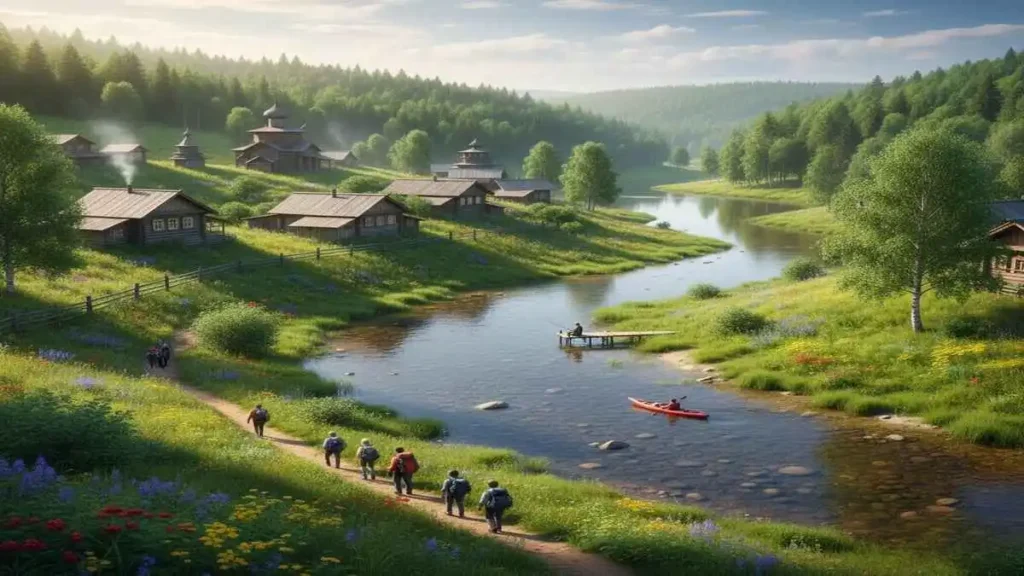
Nestled in the heart of Russia lies a hidden gem that often escapes the spotlight: Mebalovo. This quaint village is not just another dot on the map; it embodies a rich tapestry of nature, history, and community spirit. If you’re searching for an off-the-beaten-path destination that offers breathtaking landscapes and a sense of belonging, then Mebalovo might just be what you’re looking for. Here, traditions thrive alongside modern life, creating a unique charm that’s hard to resist. Whether you’re an adventurer at heart or simply someone who enjoys soaking up local culture, Mebalovo welcomes you with open arms and endless possibilities. Let’s explore what makes this enchanting place so special!
What is Mebalovo?
Mebalovo is a quaint village tucked away in the heart of Russia. Known for its stunning landscapes and rich heritage, it offers a serene escape from urban life.
This charming destination is located within the Tver region, surrounded by lush forests and flowing rivers. The picturesque scenery captivates visitors year-round.
The village itself boasts traditional Russian architecture, giving travelers a glimpse into local culture. Cobblestone streets wind through Mebalovo, inviting exploration at every turn.
Community spirit thrives here. Locals take pride in their history and welcome visitors with warm hospitality. Each corner of this peaceful haven tells an intriguing story waiting to be discovered.
Nature lovers will find solace amidst the pristine beauty surrounding Mebalovo. Whether you’re hiking or simply enjoying the view, there’s something magical about being in this tranquil setting.
The Natural Beauty of Mebalovo
Mebalovo is a hidden gem, enveloped in lush greenery and serene landscapes. The natural beauty here is breathtaking, with rolling hills that seem to stretch endlessly under the azure sky.
The village sits beside winding rivers, where crystal-clear waters reflect the surrounding flora. Wildflowers bloom in vibrant colors during springtime, painting the countryside with hues of yellow, purple, and pink.
Thick forests provide shelter for diverse wildlife. Birdwatchers will delight in spotting rare species flitting through the trees. Hiking trails invite adventurers to explore this picturesque scenery up close.
As you wander through Mebalovo’s tranquil paths, you may encounter quaint meadows perfect for picnicking or simply soaking in nature’s beauty. Each season brings its own charm winter transforms it into a sparkling wonderland while autumn cloaks it in warm tones of orange and red. Whether you’re seeking solitude or adventure, Mebalovo offers an enchanting escape into nature’s embrace.
A Glimpse into the History of Mebalovo
Mebalovo is steeped in a rich tapestry of history that dates back centuries. Nestled within the scenic landscapes of Russia, this charming village has witnessed numerous changes over time.
Originally established as a small settlement, Mebalovo grew around agriculture and trade routes. Its strategic location made it an essential hub for travelers and merchants alike.
As the years passed, local architecture flourished, showcasing traditional Russian styles that still grace its streets today. Historical landmarks tell tales of resilience and community spirit through various hardships.
The village was not immune to larger historical events either. Mebalovo played its part during significant periods, from imperial rule to modern-day transformations. Exploring these stories adds depth to any visit. Each corner reveals remnants of its past waiting to be discovered by curious wanderers eager for connection with history.
The Community of Mebalovo
The community of Mebalovo is vibrant and welcoming. Residents take great pride in their hometown, fostering a strong sense of belonging. Life here revolves around shared traditions and local events. Throughout the year, festivals bring everyone together to celebrate culture, arts, and cuisine. These gatherings create bonds that last a lifetime. Neighbors look out for one another, making it easy to feel at home. Children play freely in safe spaces while adults engage in various activities that promote unity.
Mebalovo’s residents are passionate about preserving their heritage. Many participate actively in initiatives aimed at sustaining the environment and cultural landmarks. This dedication reflects their deep-rooted connection to the land. Visitors often remark on the warmth of Mebalovo’s people. Their openness invites newcomers to explore not just the beauty of nature but also the heartwarming spirit of community life.
Activities and Attractions in Mebalovo
Mebalovo offers an array of activities that cater to nature lovers and adventure seekers alike. Hiking trails wind through stunning landscapes, revealing breathtaking views at every turn. Exploring the lush forests is a great way to connect with nature. Fishing enthusiasts will find peace along local rivers teeming with fish. It’s an ideal spot for both beginners and seasoned anglers looking for tranquility.
For those interested in history, visiting nearby heritage sites provides insights into Mebalovo’s rich past. These locations are perfect for capturing memorable photographs. Cultural festivals often take place throughout the year, showcasing traditional music and dance. Engaging with locals during these events adds depth to your experience. If you’re seeking relaxation, spend time by the picturesque lakes or indulge in picnics amidst vibrant wildflowers. Each activity here reflects the unique charm that Mebalovo embodies.
Local Cuisine and Traditions
Mebalovo offers a delightful taste of traditional Russian cuisine. Local dishes reflect the rich agricultural heritage and cultural influences that have shaped this charming village. One must-try is “borscht,” a hearty beet soup often served with sour cream. It’s warm, vibrant, and packed with flavors. Another local favorite is “pelmeni,” dumplings filled with meat or mushrooms. They’re perfect for sharing during family gatherings.
Food here isn’t just about sustenance; it embodies the spirit of community. Festivals often feature communal meals where locals showcase their culinary skills. Traditional drinks like kvass provide a refreshing complement to meals, made from fermented rye bread for a distinct flavor profile. These culinary experiences in Mebalovo are deeply intertwined with its customs and celebrations, making every bite an exploration of history and culture.
How to Plan Your Visit to Mebalovo
Planning your visit to Mebalovo can be an exciting adventure. Start by choosing the right season. Each time of year offers a unique experience, from blooming wildflowers in spring to vibrant autumn foliage. Consider how you’ll get there. If driving, research local routes for scenic views. Public transport options are available too, making it accessible for everyone. Accommodation ranges from cozy guesthouses to charming hotels. Booking ahead is advisable during peak seasons, so you don’t miss out on your preferred stay.
Pack appropriately based on activities planned hiking boots for trails or casual wear for local dining experiences. Don’t forget essentials like a camera; the landscapes are breathtaking! Before heading out, look up community events and festivals happening during your visit. Engaging with locals adds depth to the experience and makes memories even more special.
The Charm of Mebalovo: A Must-Visit Destination
Mebalovo beckons travelers with its enchanting landscapes and rich tapestry of history. Nestled amidst lush greenery, this hidden gem offers an escape from the chaos of city life. Every corner reveals something special, whether it’s a tranquil river meandering through ancient woods or quaint houses steeped in local lore. The air is filled with the scent of wildflowers, inviting visitors to explore.
The warmth of the Mebalovo community adds another layer to its charm. Locals are eager to share their stories and traditions, creating connections that linger long after your visit.
With countless activities ranging from hiking scenic trails to indulging in homemade delicacies, Mebalovo promises experiences that cater to every kind of adventurer. This destination is not just about sightseeing; it’s about embracing moments and memories crafted in nature’s embrace.
Conclusion
Mebalovo is a hidden gem that invites you to explore its rich history, breathtaking natural landscapes, and vibrant community. Whether you are an adventurer seeking outdoor activities or someone looking to immerse yourself in local culture and cuisine, Mebalovo has something for everyone. From picturesque trails to charming historical sites, every corner of this village tells a story waiting to be discovered.
As you plan your visit, keep an open heart ready for new experiences. Engage with the friendly residents who take pride in their home and traditions. Savor the unique flavors of local dishes crafted with love and care. Each moment spent in Mebalovo enriches your journey.
If you’re searching for a destination that combines tranquility with excitement, look no further than Mebalovo. With its captivating charm and welcoming atmosphere, it’s sure to leave lasting memories long after you’ve returned home. Embrace the beauty of this enchanting place; it might just become one of your favorite travel stories yet!


-

 Lifestyle7 months ago
Snowhiter: How to Enjoy Winter While Protecting Our Planet
-

 Business7 months ago
Elk Grove Hyundai: Behind the Scenes of a Premier Dealership
-

 Lifestyle8 months ago
Pyjamaspapper: The Perfect Blend of Style and Comfort for Night Sleep
-

 Technology8 months ago
Libnk: Revolutionizing Collaboration in the Digital Age
-

 Technology6 months ago
What is Voozon.com? Is This the Best Website for Your Needs?
-

 Blog6 months ago
Flagbeez Com: Affordable and Stylish Flags for Every Occasion
-

 Entertainment8 months ago
Lwedninja: Revolutionizing Online Content Creation
-

 Technology8 months ago
The Future of Fapell: Innovations and Possibilities Ahead