
Lifestyle
Uncuymaza: How This Tradition Shapes Community Bonds

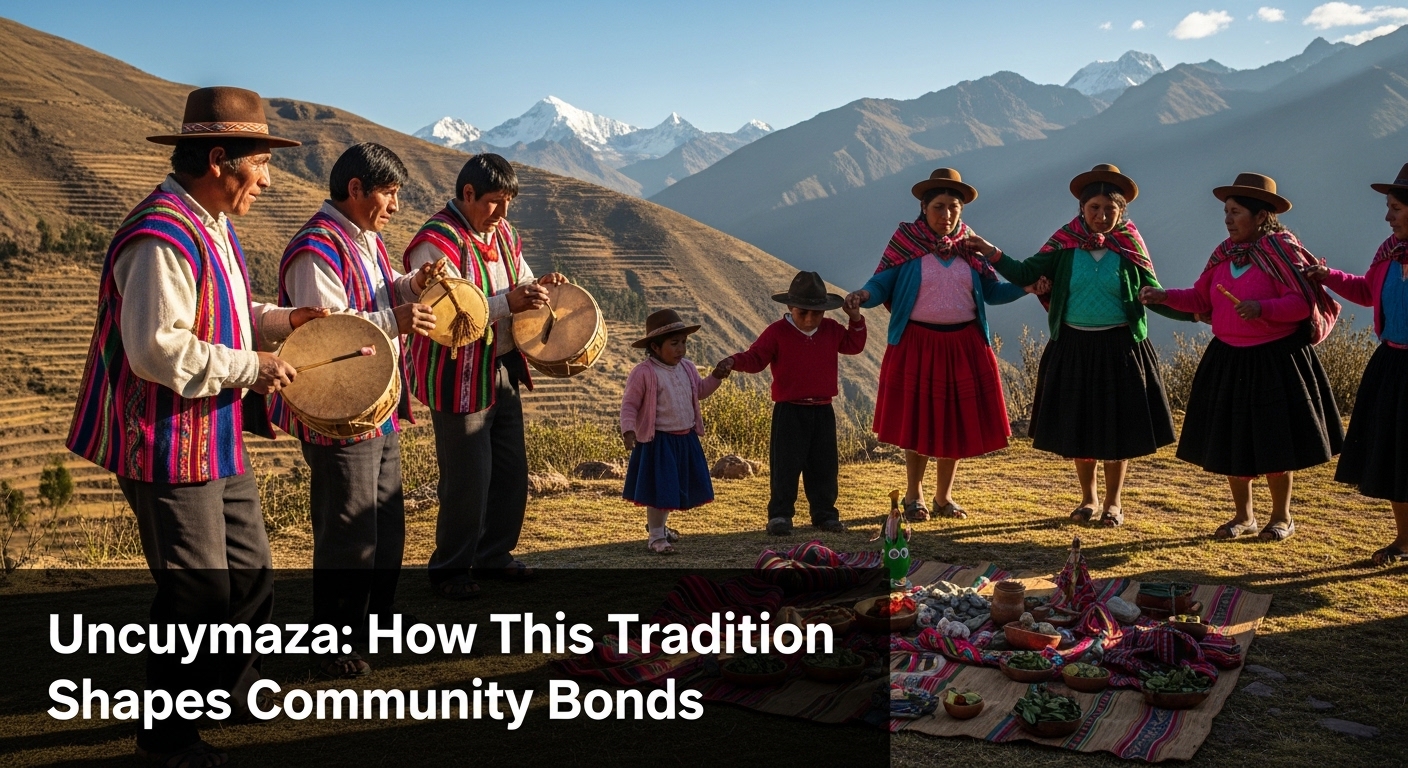
Uncuymaza is more than just a cultural practice; it is a living tradition that embodies the spirit of togetherness and shared responsibility. Across generations, communities have relied on Uncuymaza to reinforce social ties, celebrate collective achievements, and transmit core values from one generation to the next. The practice fosters a sense of belonging and strengthens trust among members, allowing them to rely on one another in both joyous and challenging times. Understanding the significance of Uncuymaza provides a window into the heart of communal life and the values that sustain it.
The role of Uncuymaza extends beyond mere tradition. It is a dynamic cultural phenomenon that adapts to changing social environments while maintaining its foundational principles. Through communal participation, storytelling, and shared rituals, individuals gain not only social support but also a deeper connection to their heritage. Observing Uncuymaza in action offers insights into how communities maintain cohesion, resolve conflicts, and celebrate collective identity, ensuring that these bonds endure through time.
Historical Roots of Uncuymaza
Tracing the origins of Uncuymaza reveals a rich tapestry of customs and cultural practices that have evolved over centuries. Initially, it emerged as a means for communities to support one another during agricultural cycles, religious festivals, or local gatherings. These early expressions were instrumental in creating cooperative networks that enabled survival, resource sharing, and collective problem-solving. Over time, Uncuymaza became symbolic of communal harmony, integrating both practical and spiritual dimensions into the social fabric.
As societies transitioned and expanded, the tradition of Uncuymaza adapted to urban environments, maintaining its core focus on fostering relationships. Historical records and oral histories suggest that its practice has always emphasized inclusivity, mutual aid, and respect for communal wisdom. This continuity demonstrates the resilience of Uncuymaza as a cultural institution that not only preserves heritage but also strengthens intergenerational bonds within increasingly complex social landscapes.
The Social Impact of Uncuymaza
Uncuymaza serves as a critical mechanism for building trust and interdependence among community members. Through shared rituals, collaborative projects, and collective celebrations, participants experience a sense of unity and purpose that transcends individual interests. These interactions often lead to strengthened support networks, enabling communities to respond effectively to challenges such as resource scarcity, social disputes, or economic fluctuations. The tradition encourages active participation, ensuring that every member feels valued and connected.
Beyond immediate social support, Uncuymaza contributes to the development of moral and ethical frameworks within communities. Individuals learn the importance of reciprocity, empathy, and shared responsibility through continuous engagement with this tradition. The reinforcement of communal norms and values enhances social cohesion, ensuring that communities remain resilient even in times of external pressure or internal change. By emphasizing cooperation over competition, Uncuymaza cultivates an environment where relationships flourish and collective identity thrives.
Cultural Significance and Preservation
The cultural significance of Uncuymaza cannot be overstated. It serves as a repository of local knowledge, folklore, and traditional practices, preserving these elements for future generations. Through storytelling, ceremonial activities, and communal participation, Uncuymaza transmits the collective wisdom of the community, creating a living archive of cultural identity. This process ensures that customs, language, and rituals remain vibrant and relevant even as societal contexts shift.
Efforts to preserve Uncuymaza have also taken modern forms, such as cultural festivals, educational programs, and digital documentation. These initiatives highlight the tradition’s adaptability and enduring relevance. By bridging the past with the present, Uncuymaza fosters pride in heritage while encouraging community engagement. Its preservation is not only about safeguarding rituals but also about reinforcing the values and relationships that are essential for a thriving communal life.
Community Development Through Uncuymaza
Uncuymaza plays a pivotal role in community development by fostering collaboration and collective problem-solving. Through organized events, shared responsibilities, and cooperative efforts, communities can address local needs more efficiently and effectively. These activities promote leadership, communication, and organizational skills among participants, creating a culture of empowerment and active engagement.
Moreover, the tradition strengthens social capital, allowing communities to leverage collective resources for economic and social initiatives. By encouraging inclusivity and equitable participation, Uncuymaza ensures that development benefits all members, reducing social disparities and fostering mutual support. The practice demonstrates how cultural traditions can serve as catalysts for sustainable community growth, bridging the gap between heritage and progress.
Modern Adaptations of Uncuymaza
In contemporary society, Uncuymaza has adapted to urban and digital contexts, reflecting the needs and lifestyles of modern communities. Social media platforms, virtual gatherings, and collaborative online projects now complement traditional face-to-face interactions. These innovations allow the principles of Uncuymaza to reach wider audiences, connecting individuals who may be geographically distant but socially engaged through shared cultural practices.
This modernization also highlights the flexibility of Uncuymaza as a cultural tool. While technology changes the methods of participation, the underlying principles of cooperation, empathy, and shared responsibility remain intact. Communities that embrace these modern adaptations can sustain the tradition while simultaneously addressing the challenges of contemporary life, demonstrating that Uncuymaza is a living, evolving practice that continues to shape social cohesion.
Uncuymaza in Education and Youth Engagement
Education plays a key role in transmitting Uncuymaza to younger generations. Schools and community programs often incorporate its principles into curricula and extracurricular activities, teaching students the value of collaboration, cultural appreciation, and civic responsibility. This exposure ensures that youth understand the importance of communal ties and are prepared to actively participate in maintaining these relationships throughout their lives.
Youth engagement also brings fresh perspectives to the tradition, allowing communities to innovate and adapt while staying true to foundational values. Mentorship, storytelling, and participatory projects help bridge generational gaps, ensuring that cultural knowledge is not only preserved but also revitalized. By integrating Uncuymaza into education, communities foster a sense of pride, belonging, and shared responsibility that strengthens social cohesion for future generations.
Economic and Cultural Benefits
Uncuymaza also offers tangible economic benefits for communities. Collective labor, cooperative initiatives, and shared resources reduce individual burdens and increase efficiency in local projects. Festivals and cultural events tied to the tradition can boost local economies through tourism, artisanal crafts, and cultural programming. By linking heritage with economic opportunities, Uncuymaza contributes to sustainable community growth.
Culturally, the tradition strengthens identity and pride, encouraging participation in communal life and fostering resilience against social fragmentation. It cultivates a collective consciousness that values cooperation over individualism, ensuring that communities remain cohesive and capable of responding to challenges collectively. This dual impact—economic and cultural—underscores the multifaceted importance of Uncuymaza in contemporary society.
The Role of Storytelling in Uncuymaza
Storytelling is central to Uncuymaza, acting as a conduit for cultural transmission and community bonding. Through narratives, myths, and historical accounts, communities convey moral lessons, social norms, and collective memories. This oral tradition creates a shared understanding of values and responsibilities, reinforcing cohesion and empathy among members.
Stories also provide a sense of continuity, linking present participants with their ancestors and communal history. They inspire reflection, dialogue, and collective learning, enabling communities to navigate contemporary challenges with a foundation rooted in cultural wisdom. The role of storytelling in Uncuymaza highlights the power of narrative to shape social behavior and strengthen enduring communal ties.
Future Perspectives of Uncuymaza
Looking ahead, the future of Uncuymaza depends on the balance between preservation and adaptation. Communities must continue to honor traditional practices while embracing modern methods of engagement to remain relevant. Digital platforms, inclusive programming, and youth involvement will be crucial in sustaining the practice for future generations.
By fostering awareness, participation, and innovation, communities can ensure that Uncuymaza continues to promote unity, resilience, and shared identity. Its enduring relevance demonstrates the timeless value of cultural traditions in shaping social structures and maintaining the bonds that connect individuals to each other and to their collective heritage.
Table Example: Community Engagement Through Uncuymaza
| Activity Type | Community Benefit | Frequency | Participation Rate |
|---|---|---|---|
| Traditional Festivals | Strengthens cultural identity | Annual | High |
| Cooperative Projects | Promotes collaboration | Quarterly | Medium |
| Storytelling Sessions | Preserves heritage, moral values | Monthly | High |
| Youth Workshops | Encourages skill-building | Bi-monthly | Medium |
Conclusion
Uncuymaza is more than a cultural tradition; it is a living testament to the power of community, cooperation, and shared heritage. By reinforcing social bonds, promoting cultural preservation, and adapting to modern contexts, it continues to shape cohesive, resilient communities. Its value lies not only in rituals and ceremonies but also in the ethical and social frameworks it cultivates. As communities evolve, remains a beacon of collective identity, inspiring participation, empathy, and mutual support that sustains communal life across generations.
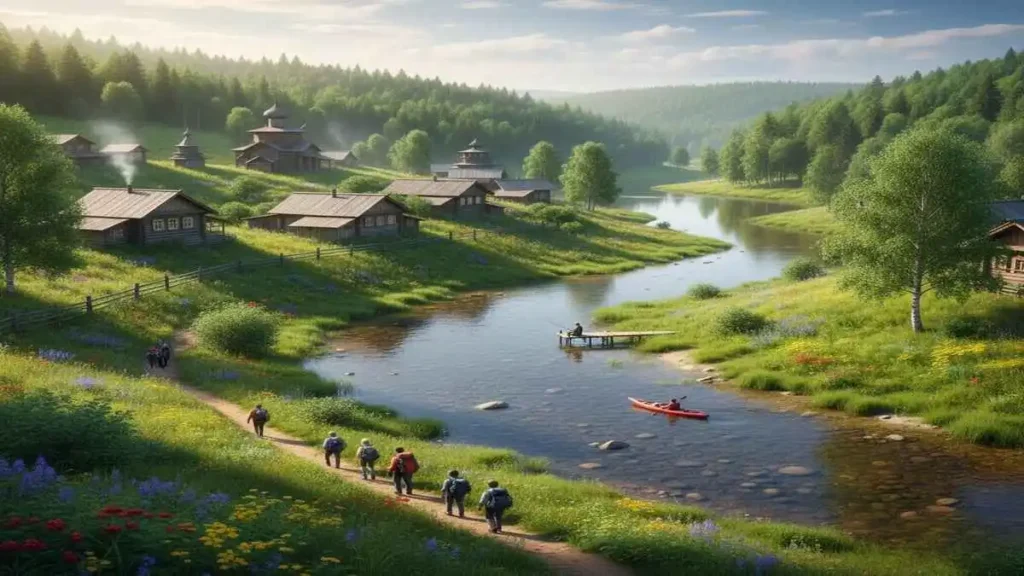
Nestled in the heart of Russia lies a hidden gem that often escapes the spotlight: Mebalovo. This quaint village is not just another dot on the map; it embodies a rich tapestry of nature, history, and community spirit. If you’re searching for an off-the-beaten-path destination that offers breathtaking landscapes and a sense of belonging, then Mebalovo might just be what you’re looking for. Here, traditions thrive alongside modern life, creating a unique charm that’s hard to resist. Whether you’re an adventurer at heart or simply someone who enjoys soaking up local culture, Mebalovo welcomes you with open arms and endless possibilities. Let’s explore what makes this enchanting place so special!
What is Mebalovo?
Mebalovo is a quaint village tucked away in the heart of Russia. Known for its stunning landscapes and rich heritage, it offers a serene escape from urban life.
This charming destination is located within the Tver region, surrounded by lush forests and flowing rivers. The picturesque scenery captivates visitors year-round.
The village itself boasts traditional Russian architecture, giving travelers a glimpse into local culture. Cobblestone streets wind through Mebalovo, inviting exploration at every turn.
Community spirit thrives here. Locals take pride in their history and welcome visitors with warm hospitality. Each corner of this peaceful haven tells an intriguing story waiting to be discovered.
Nature lovers will find solace amidst the pristine beauty surrounding Mebalovo. Whether you’re hiking or simply enjoying the view, there’s something magical about being in this tranquil setting.
The Natural Beauty of Mebalovo
Mebalovo is a hidden gem, enveloped in lush greenery and serene landscapes. The natural beauty here is breathtaking, with rolling hills that seem to stretch endlessly under the azure sky.
The village sits beside winding rivers, where crystal-clear waters reflect the surrounding flora. Wildflowers bloom in vibrant colors during springtime, painting the countryside with hues of yellow, purple, and pink.
Thick forests provide shelter for diverse wildlife. Birdwatchers will delight in spotting rare species flitting through the trees. Hiking trails invite adventurers to explore this picturesque scenery up close.
As you wander through Mebalovo’s tranquil paths, you may encounter quaint meadows perfect for picnicking or simply soaking in nature’s beauty. Each season brings its own charm winter transforms it into a sparkling wonderland while autumn cloaks it in warm tones of orange and red. Whether you’re seeking solitude or adventure, Mebalovo offers an enchanting escape into nature’s embrace.
A Glimpse into the History of Mebalovo
Mebalovo is steeped in a rich tapestry of history that dates back centuries. Nestled within the scenic landscapes of Russia, this charming village has witnessed numerous changes over time.
Originally established as a small settlement, Mebalovo grew around agriculture and trade routes. Its strategic location made it an essential hub for travelers and merchants alike.
As the years passed, local architecture flourished, showcasing traditional Russian styles that still grace its streets today. Historical landmarks tell tales of resilience and community spirit through various hardships.
The village was not immune to larger historical events either. Mebalovo played its part during significant periods, from imperial rule to modern-day transformations. Exploring these stories adds depth to any visit. Each corner reveals remnants of its past waiting to be discovered by curious wanderers eager for connection with history.
The Community of Mebalovo
The community of Mebalovo is vibrant and welcoming. Residents take great pride in their hometown, fostering a strong sense of belonging. Life here revolves around shared traditions and local events. Throughout the year, festivals bring everyone together to celebrate culture, arts, and cuisine. These gatherings create bonds that last a lifetime. Neighbors look out for one another, making it easy to feel at home. Children play freely in safe spaces while adults engage in various activities that promote unity.
Mebalovo’s residents are passionate about preserving their heritage. Many participate actively in initiatives aimed at sustaining the environment and cultural landmarks. This dedication reflects their deep-rooted connection to the land. Visitors often remark on the warmth of Mebalovo’s people. Their openness invites newcomers to explore not just the beauty of nature but also the heartwarming spirit of community life.
Activities and Attractions in Mebalovo
Mebalovo offers an array of activities that cater to nature lovers and adventure seekers alike. Hiking trails wind through stunning landscapes, revealing breathtaking views at every turn. Exploring the lush forests is a great way to connect with nature. Fishing enthusiasts will find peace along local rivers teeming with fish. It’s an ideal spot for both beginners and seasoned anglers looking for tranquility.
For those interested in history, visiting nearby heritage sites provides insights into Mebalovo’s rich past. These locations are perfect for capturing memorable photographs. Cultural festivals often take place throughout the year, showcasing traditional music and dance. Engaging with locals during these events adds depth to your experience. If you’re seeking relaxation, spend time by the picturesque lakes or indulge in picnics amidst vibrant wildflowers. Each activity here reflects the unique charm that Mebalovo embodies.
Local Cuisine and Traditions
Mebalovo offers a delightful taste of traditional Russian cuisine. Local dishes reflect the rich agricultural heritage and cultural influences that have shaped this charming village. One must-try is “borscht,” a hearty beet soup often served with sour cream. It’s warm, vibrant, and packed with flavors. Another local favorite is “pelmeni,” dumplings filled with meat or mushrooms. They’re perfect for sharing during family gatherings.
Food here isn’t just about sustenance; it embodies the spirit of community. Festivals often feature communal meals where locals showcase their culinary skills. Traditional drinks like kvass provide a refreshing complement to meals, made from fermented rye bread for a distinct flavor profile. These culinary experiences in Mebalovo are deeply intertwined with its customs and celebrations, making every bite an exploration of history and culture.
How to Plan Your Visit to Mebalovo
Planning your visit to Mebalovo can be an exciting adventure. Start by choosing the right season. Each time of year offers a unique experience, from blooming wildflowers in spring to vibrant autumn foliage. Consider how you’ll get there. If driving, research local routes for scenic views. Public transport options are available too, making it accessible for everyone. Accommodation ranges from cozy guesthouses to charming hotels. Booking ahead is advisable during peak seasons, so you don’t miss out on your preferred stay.
Pack appropriately based on activities planned hiking boots for trails or casual wear for local dining experiences. Don’t forget essentials like a camera; the landscapes are breathtaking! Before heading out, look up community events and festivals happening during your visit. Engaging with locals adds depth to the experience and makes memories even more special.
The Charm of Mebalovo: A Must-Visit Destination
Mebalovo beckons travelers with its enchanting landscapes and rich tapestry of history. Nestled amidst lush greenery, this hidden gem offers an escape from the chaos of city life. Every corner reveals something special, whether it’s a tranquil river meandering through ancient woods or quaint houses steeped in local lore. The air is filled with the scent of wildflowers, inviting visitors to explore.
The warmth of the Mebalovo community adds another layer to its charm. Locals are eager to share their stories and traditions, creating connections that linger long after your visit.
With countless activities ranging from hiking scenic trails to indulging in homemade delicacies, Mebalovo promises experiences that cater to every kind of adventurer. This destination is not just about sightseeing; it’s about embracing moments and memories crafted in nature’s embrace.
Conclusion
Mebalovo is a hidden gem that invites you to explore its rich history, breathtaking natural landscapes, and vibrant community. Whether you are an adventurer seeking outdoor activities or someone looking to immerse yourself in local culture and cuisine, Mebalovo has something for everyone. From picturesque trails to charming historical sites, every corner of this village tells a story waiting to be discovered.
As you plan your visit, keep an open heart ready for new experiences. Engage with the friendly residents who take pride in their home and traditions. Savor the unique flavors of local dishes crafted with love and care. Each moment spent in Mebalovo enriches your journey.
If you’re searching for a destination that combines tranquility with excitement, look no further than Mebalovo. With its captivating charm and welcoming atmosphere, it’s sure to leave lasting memories long after you’ve returned home. Embrace the beauty of this enchanting place; it might just become one of your favorite travel stories yet!


-

 Lifestyle7 months ago
Snowhiter: How to Enjoy Winter While Protecting Our Planet
-

 Business7 months ago
Elk Grove Hyundai: Behind the Scenes of a Premier Dealership
-

 Lifestyle8 months ago
Pyjamaspapper: The Perfect Blend of Style and Comfort for Night Sleep
-

 Technology8 months ago
Libnk: Revolutionizing Collaboration in the Digital Age
-

 Technology6 months ago
What is Voozon.com? Is This the Best Website for Your Needs?
-

 Blog6 months ago
Flagbeez Com: Affordable and Stylish Flags for Every Occasion
-

 Technology8 months ago
The Future of Fapell: Innovations and Possibilities Ahead
-

 Entertainment8 months ago
Lwedninja: Revolutionizing Online Content Creation