
Lifestyle
Snowhiter: How to Enjoy Winter While Protecting Our Planet


Winter has always carried a special kind of magic. Snow-covered landscapes, crisp mountain air, frozen lakes, and the quiet stillness of shorter days inspire adventure, reflection, and celebration across cultures. In recent years, however, winter enjoyment has taken on a deeper responsibility. Snowhiter emerges as a modern concept that blends winter recreation with environmental consciousness, encouraging people to enjoy the cold season while actively protecting the planet. As climate change reshapes winter ecosystems, this approach offers a thoughtful way to preserve what makes winter special without harming the fragile environments that support it.
Understanding the Meaning and Vision Behind Snowhiter
Snowhiter represents more than a trend; it reflects a mindset rooted in balance. At its core, it promotes winter activities that minimize environmental damage while maximizing personal and community enjoyment. From eco-friendly skiing practices to low-impact winter tourism, this philosophy invites individuals to rethink how winter fun intersects with sustainability. As snowfall patterns become less predictable and winter habitats face increasing stress, adopting responsible seasonal practices has become essential rather than optional. Winter recreation traditionally relies on energy-intensive infrastructure, artificial snowmaking, and heavy transportation emissions. Snowhiter challenges this model by prioritizing nature-aligned enjoyment, renewable energy use, and mindful travel choices. This shift ensures winter landscapes remain intact for future generations.
Why Winter Sustainability Matters More Than Ever
Climate scientists have consistently highlighted that winter seasons are warming faster than other parts of the year in many regions. Shrinking glaciers, reduced snowpack, and disrupted wildlife cycles are visible reminders that winter ecosystems are highly sensitive. Snowhiter aligns enjoyment with preservation, acknowledging that every choice made during the cold season has long-term environmental consequences. Winter tourism contributes significantly to carbon emissions due to long-distance travel, resort energy use, and waste generation. By adopting sustainable alternatives, winter enthusiasts can reduce their footprint while still experiencing the joy of snow-based activities. This balance is not about restriction but about smarter engagement with nature.
Snowhiter and Eco-Friendly Winter Travel
Travel plays a central role in winter enjoyment, yet it is also one of the biggest environmental stressors. Snowhiter encourages conscious travel decisions that reduce emissions without sacrificing comfort or experience. Trains, shared transport, and closer-to-home destinations are becoming more attractive as awareness grows.
Below is a table illustrating how different winter travel choices compare in terms of environmental impact and experience value.
| Travel Option | Environmental Impact | Winter Experience Quality |
|---|---|---|
| Train travel to nearby winter destinations | Low emissions and energy efficient | High scenic and cultural value |
| Shared carpool trips | Moderate emissions reduced by occupancy | Flexible and social experience |
| Short-haul flights | Higher emissions per traveler | Fast but environmentally costly |
| Long-haul winter tourism | Very high carbon footprint | Memorable but unsustainable |
Snowhiter promotes choosing options that deliver meaningful winter experiences while keeping emissions as low as possible.
Sustainable Winter Clothing and Gear Choices
Winter apparel plays a surprisingly significant role in environmental impact. Fast fashion, synthetic insulation, and short product lifespans contribute to pollution and waste. Snowhiter supports durable, responsibly sourced clothing that performs well in cold conditions while respecting ecological boundaries. Natural fibers such as responsibly sourced wool, recycled insulation, and repairable outerwear reduce the need for frequent replacements. Choosing quality over quantity ensures warmth, safety, and sustainability coexist. Many modern winter brands now prioritize transparency, ethical sourcing, and circular production models that align perfectly with Snowhiter principles.
Snowhiter in Winter Sports and Outdoor Recreation
Winter sports are often associated with high resource use, especially in ski resorts that depend on artificial snow and large energy inputs. Snowhiter encourages a shift toward low-impact outdoor activities that rely on natural snowfall and minimal infrastructure. Cross-country skiing, snowshoeing, ice skating on natural surfaces, and winter hiking offer immersive experiences that connect participants directly with nature. These activities require less land alteration and energy while still delivering physical and mental benefits.
The table below shows how different winter activities compare in sustainability and accessibility.
| Winter Activity | Energy Use | Environmental Impact | Accessibility |
|---|---|---|---|
| Cross-country skiing | Low | Minimal ecosystem disruption | High |
| Snowshoeing | Very low | Nearly zero impact | Very high |
| Downhill skiing at large resorts | High | Significant land and energy use | Moderate |
| Winter hiking | Very low | Nature-friendly | High |
Snowhiter supports activities that allow people to experience winter landscapes without placing undue pressure on them.
Snowhiter and Responsible Winter Tourism Communities
Local communities often bear the environmental cost of seasonal tourism. Snowhiter emphasizes respectful engagement with these communities, supporting local economies while preserving cultural and natural heritage. Choosing locally owned accommodations, seasonal produce, and regional guides ensures tourism revenue benefits residents rather than external corporations. Responsible tourism also involves respecting wildlife habitats, minimizing waste, and following local environmental guidelines. Snowhiter reframes winter travel as a partnership with nature and communities rather than consumption of destinations.
Energy-Smart Living During the Winter Season
Winter is typically associated with higher energy consumption due to heating and lighting needs. Snowhiter promotes energy-smart living that reduces environmental impact without compromising comfort. Improved insulation, smart thermostats, and renewable energy sources play a key role in sustainable winter living. Even small changes such as reducing heating slightly, using energy-efficient lighting, and maximizing natural daylight can significantly lower emissions. When combined across communities, these habits create measurable positive effects on winter energy demands.
Snowhiter and Wildlife Protection in Cold Climates
Winter is a critical survival period for many species. Human activity during this time can disrupt feeding patterns, migration routes, and shelter availability. Snowhiter advocates mindful interaction with winter wildlife by maintaining distance, respecting protected areas, and avoiding activities that disturb animals during vulnerable months. Preserving winter habitats ensures ecosystems remain balanced and resilient. This respect for wildlife strengthens the ethical foundation of winter enjoyment and aligns human recreation with natural rhythms.
Snowhiter as a Lifestyle Rather Than a Trend
Unlike short-lived environmental movements, Snowhiter is best understood as a long-term lifestyle approach. It integrates environmental responsibility into seasonal habits, encouraging people to see winter not as a resource to exploit but as a shared experience to protect. From choosing sustainable gifts during winter holidays to reducing waste at seasonal events, Snowhiter influences everyday decisions. This holistic approach ensures that winter traditions remain meaningful while adapting to modern environmental realities.
Economic and Environmental Benefits of Snowhiter Practices
Adopting Snowhiter principles benefits both the environment and the economy. Sustainable winter tourism creates stable jobs, reduces seasonal boom-and-bust cycles, and preserves natural assets that attract visitors year after year.
The following table highlights how Snowhiter-aligned practices compare with traditional winter models.
| Aspect | Traditional Winter Model | Snowhiter Approach |
|---|---|---|
| Resource use | High and often wasteful | Efficient and mindful |
| Community benefit | Limited local retention | Strong local engagement |
| Environmental impact | Long-term ecosystem strain | Reduced ecological footprint |
| Longevity | Vulnerable to climate change | More resilient and adaptive |
This balance makes Snowhiter an appealing framework for policymakers, businesses, and individuals alike.
The Future of Winter Through the Snowhiter Lens
As climate challenges intensify, the future of winter depends on collective action and conscious choices. Snowhiter provides a practical and inspiring roadmap for enjoying cold seasons responsibly. It proves that sustainability does not diminish enjoyment but enriches it by deepening our connection to nature. By aligning recreation, travel, and daily habits with environmental care, Snowhiter ensures that winter remains vibrant, accessible, and meaningful for generations to come. The snowy landscapes we cherish today can still exist tomorrow if protected through thoughtful, planet-first approaches.
Conclusion
Snowhiter represents a thoughtful evolution in how people experience winter. It recognizes the beauty, joy, and cultural importance of the cold season while addressing the urgent need for environmental protection. By adopting sustainable travel, mindful recreation, ethical consumption, and energy-smart living, individuals can enjoy winter fully without compromising the planet’s health. This approach transforms winter enjoyment into an act of stewardship, ensuring that snowy landscapes, wildlife, and traditions endure well into the future.
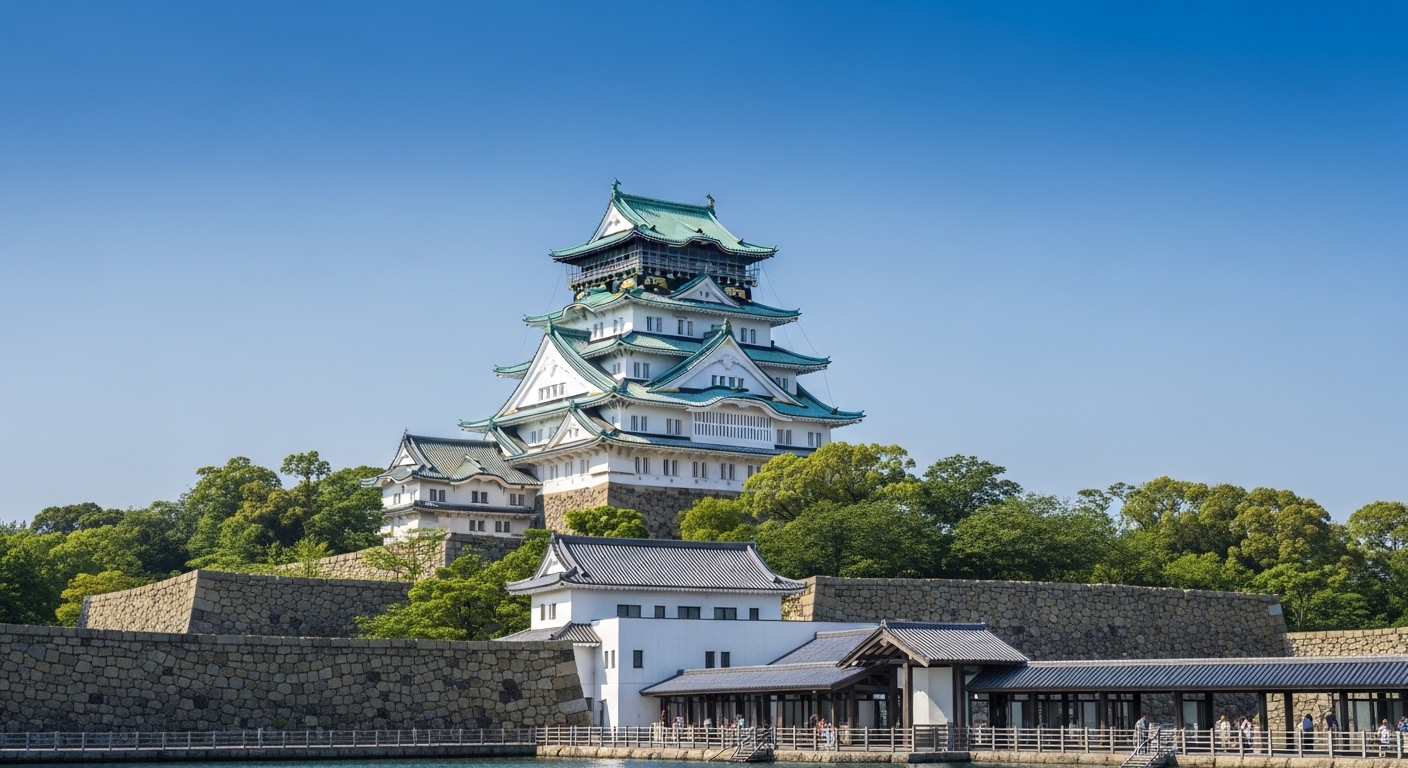
Nomurano is quickly emerging as a captivating destination that blends cultural richness, scenic beauty, and unforgettable adventures. Travelers seeking something beyond typical tourist routes often find themselves drawn to this hidden gem, where tradition meets modern charm in perfect harmony. From historical landmarks to breathtaking natural landscapes, Nomurano offers an experience that feels both authentic and inspiring for every kind of explorer.
What makes Nomurano truly special is its ability to cater to diverse interests while maintaining its unique identity. Whether you are passionate about history, food, or outdoor activities, this destination has something meaningful to offer. In this guide to Nomurano: Top Experiences and Attractions Not to Miss, you will uncover everything needed to plan a memorable journey filled with discovery and wonder.
Cultural Heritage in Nomurano
The cultural heritage of Nomurano stands as a testament to its deep-rooted traditions and evolving identity. Visitors can explore centuries old architecture, local art forms, and vibrant customs that continue to shape everyday life. Walking through the streets feels like stepping into a living museum where every corner tells a story of resilience and creativity passed down through generations.
Beyond its visual charm, Nomurano’s cultural scene thrives through festivals, music, and storytelling. These experiences allow travelers to connect with the local community in a meaningful way. The cultural richness highlighted in Nomurano: Top Experiences and Attractions Not to Miss ensures that visitors leave with a deeper appreciation of the traditions that define this extraordinary place.
Natural Landscapes of Nomurano
Nomurano is blessed with stunning natural landscapes that offer both tranquility and adventure. From rolling hills to lush forests, the scenery invites visitors to disconnect from busy routines and immerse themselves in nature’s beauty. Each location provides a unique atmosphere, whether you are seeking peaceful reflection or an invigorating outdoor experience.
The diversity of natural attractions ensures that there is always something new to explore. Travelers can enjoy sunrise views, scenic trails, and hidden spots that feel untouched by time. The natural beauty emphasized in Nomurano: Top Experiences and Attractions Not to Miss makes it a perfect destination for those who appreciate the calming and inspiring power of the outdoors.
Local Cuisine in Nomurano
The culinary scene in Nomurano is a delightful journey of flavors that reflects the region’s cultural diversity. Traditional dishes are prepared with fresh, locally sourced ingredients, offering a taste that is both authentic and unforgettable. Every meal tells a story, combining history and innovation in a way that satisfies both curiosity and appetite.
Dining in Nomurano is more than just eating; it is an experience that brings people together. From street food vendors to fine dining establishments, the variety ensures that every visitor finds something to enjoy. Exploring the food culture highlighted in Nomurano: Top Experiences and Attractions Not to Miss adds a rich and flavorful dimension to your travel experience.
Historical Attractions in Nomurano
Nomurano is home to a range of historical attractions that showcase its fascinating past. Ancient structures, monuments, and preserved sites offer insight into the events and influences that shaped the region. These landmarks provide an opportunity to step back in time and understand the heritage that continues to influence modern life.
Each historical site carries its own unique significance, making exploration both educational and engaging. Visitors often find themselves captivated by the stories behind these locations. The historical highlights featured in Nomurano: Top Experiences and Attractions Not to Miss ensure that your journey is enriched with knowledge and appreciation for the past.
Adventure Activities in Nomurano
For those seeking excitement, Nomurano offers a variety of adventure activities that cater to different levels of thrill. From hiking and trekking to more immersive outdoor experiences, there are plenty of opportunities to challenge yourself while enjoying the surrounding beauty. These activities provide a perfect balance between excitement and exploration.
Adventure in Nomurano is not just about adrenaline; it is also about discovery and connection with nature. Each activity allows visitors to experience the destination in a more dynamic way. The adventurous side of Nomurano: Top Experiences and Attractions Not to Miss ensures that your trip is filled with memorable moments and unique experiences.
Shopping and Local Markets in Nomurano
Shopping in Nomurano offers a blend of traditional craftsmanship and modern creativity. Local markets are filled with handmade goods, unique souvenirs, and artistic creations that reflect the region’s identity. These markets provide a vibrant atmosphere where visitors can interact with artisans and learn about their craft.
Beyond souvenirs, shopping in Nomurano is an opportunity to support local communities and take home meaningful pieces of the culture. Each purchase carries a story that adds value to your travel experience. The shopping scene highlighted in Nomurano: Top Experiences and Attractions Not to Miss ensures that visitors leave with more than just memories.
Accommodation Options in Nomurano
Nomurano offers a wide range of accommodation options to suit different preferences and budgets. From cozy guesthouses to luxurious stays, visitors can find the perfect place to relax and recharge. Each option provides comfort while reflecting the unique character of the destination.
The hospitality in Nomurano is known for its warmth and attention to detail. Guests often feel welcomed and cared for, making their stay even more enjoyable. Choosing the right accommodation from the options Top Experiences and Attractions Not to Miss enhances the overall travel experience.
Transportation in Nomurano
Getting around Nomurano is convenient and accessible, making it easy for visitors to explore its many attractions. Various transportation options are available, allowing travelers to move between locations efficiently. Whether you prefer public transit or private arrangements, the system is designed to meet diverse needs.
Understanding the transportation options helps visitors plan their itinerary effectively. It ensures that no important attraction is missed during the journey. The accessibility highlighted Top Experiences and Attractions Not to Miss makes travel smooth and enjoyable.
Best Time to Visit Nomurano
Choosing the right time to visit Nomurano can significantly enhance your experience. Different seasons offer unique perspectives, from vibrant festivals to serene landscapes. Each period has its own charm, making it important to consider your preferences when planning your trip.
Weather and local events play a key role in shaping your travel experience. By selecting the ideal time, you can make the most of everything the destination has to offer. The seasonal insights included in Top Experiences and Attractions Not to Miss help you plan a visit that aligns with your expectations.
Travel Tips for Nomurano
Traveling to Nomurano becomes even more enjoyable with the right preparation. Understanding local customs, basic etiquette, and essential tips can make your journey smoother and more fulfilling. These insights help visitors navigate the destination with confidence and respect.
Being informed also allows you to make better decisions during your trip. From packing essentials to planning activities, preparation plays a crucial role. The practical advice provided Top Experiences and Attractions Not to Miss ensures that your experience is both enjoyable and hassle-free.
Key Highlights Table for Nomurano
| Category | Description |
|---|---|
| Cultural Heritage | Rich traditions, festivals, and historical architecture |
| Natural Landscapes | Scenic views, forests, and outdoor exploration |
| Local Cuisine | Authentic dishes with unique flavors |
| Historical Sites | Monuments and landmarks with deep historical significance |
| Adventure Activities | Hiking, trekking, and outdoor adventures |
| Shopping | Local markets with handmade crafts and souvenirs |
| Accommodation | Options ranging from budget stays to luxury experiences |
| Transportation | Accessible and convenient travel options |
| Best Time to Visit | Seasonal experiences offering unique attractions |
Conclusion
Nomurano stands out as a destination that offers a perfect blend of culture, nature, and adventure. Its diverse attractions ensure that every traveler finds something meaningful to explore and enjoy. From historical landmarks to culinary delights, the experiences available create lasting memories that inspire future journeys.
Exploring Nomurano Top Experiences and Attractions Not to Miss allows visitors to connect with a destination that feels both authentic and welcoming. With careful planning and an open mind, your trip to can become an unforgettable adventure filled with discovery, learning, and joy.

Japanese television has long been celebrated for its originality, creativity, and cultural impact. With networks continually pushing the boundaries of storytelling, shows from Japan offer a unique mix of traditional narratives and contemporary innovation. NTDTVJP has emerged as a platform spotlighting these visionary creators, giving audiences insight into the people driving the industry forward. Understanding the individuals behind Japanese TV reveals not only their artistic vision but also how Japan’s media landscape continues to evolve in the global entertainment market.
The rise of streaming platforms and international interest in Japanese content has provided a broader stage for these creative minds. Through NTDTVJP, fans can explore interviews, behind-the-scenes processes, and exclusive profiles of directors, writers, and producers. This exposure highlights the intricate work required to craft engaging programs, whether in drama, variety shows, or anime. Such focus helps bridge cultural gaps, enabling audiences worldwide to appreciate the dedication and innovation that characterize Japanese television.
Visionary Directors Crafting Stories for Generations
Directors in Japanese television play a critical role in bringing scripts to life with distinct visual and narrative styles. These visionaries often blend cinematic techniques with cultural storytelling elements, ensuring that each episode resonates with audiences on both emotional and intellectual levels. Through NTDTVJP, viewers can explore how directors balance creative freedom with audience expectations, producing shows that captivate domestic and international viewers alike.
The collaboration between directors and writers often leads to groundbreaking television content that challenges conventional norms. NTDTVJP provides detailed profiles of these directors, showcasing their career journeys, influences, and signature techniques. By spotlighting these individuals, the platform underscores the importance of leadership in television production and highlights how directors contribute to Japan’s reputation for high-quality programming.
Innovative Writers Redefining Japanese Television Narratives
Writers are the backbone of Japanese television, responsible for creating compelling plots that resonate across diverse audiences. With NTDTVJP, fans gain access to exclusive insights into how these creative minds conceptualize stories that intertwine contemporary themes with traditional motifs. This exploration illustrates the complexity of scriptwriting, where every dialogue, scene, and subplot is carefully designed to engage viewers while reflecting societal nuances.
The impact of writers extends beyond just entertainment, often shaping cultural perceptions and sparking meaningful discussions. Through NTDTVJP, audiences learn how writers collaborate with directors, producers, and actors to ensure consistency and depth across series. This collaborative effort helps create content that is innovative, emotionally engaging, and globally appealing, solidifying Japan’s position as a hub for imaginative television storytelling.
Producers Driving Japanese Television Forward
Producers serve as the guiding force behind Japanese television, managing resources, schedules, and creative direction to ensure a project’s success. NTDTVJP highlights how producers juggle the demands of networks, sponsors, and audiences while maintaining the show’s artistic integrity. Their ability to balance business and creativity is crucial, as it allows television content to thrive without compromising quality.
Beyond logistical management, producers often influence casting, tone, and narrative pacing. NTDTVJP’s coverage includes detailed profiles of producers who have transformed shows into cultural phenomena. By understanding their strategies, viewers can appreciate the intricacies of television production and the skill required to turn innovative ideas into programs that resonate with millions of viewers.
Emerging Trends in Japanese Television
The television landscape in Japan is constantly evolving, with new trends reshaping how stories are told and consumed. NTDTVJP provides analysis of these shifts, exploring topics such as the integration of digital media, the rise of genre-blending shows, and the increasing popularity of short-form content. These trends reveal how creators are adapting to changing audience preferences while pushing creative boundaries.
Emerging trends also reflect broader societal changes, including the embrace of diverse perspectives and innovative storytelling methods. NTDTVJP showcases how directors, writers, and producers collectively respond to these dynamics, ensuring that Japanese television remains relevant both locally and internationally. By tracking these developments, fans gain insight into the future direction of the industry and the minds leading the charge.
Table Highlighting Key Japanese Television Creatives
| Role | Notable Creatives | Contribution |
|---|---|---|
| Director | Hirokazu Kore-eda, Shunji Iwai | Visual storytelling, cinematic style |
| Writer | Mari Okada, Gen Urobuchi | Innovative plots, emotional depth |
| Producer | Tetsuya Bessho, Hidetaka Miyazaki | Project management, show development |
| Animator | Hayao Miyazaki, Mamoru Hosoda | Animation excellence, global appeal |
This table provides a snapshot of some of the influential figures shaping Japanese television, emphasizing the collaborative efforts of directors, writers, producers, and animators. NTDTVJP highlights the unique contributions of each role, underscoring the complex interplay of talent that drives the industry forward.
Global Influence of Japanese Television Creators
Japanese television has not only captivated local audiences but has also influenced global media trends. NTDTVJP explores how Japanese directors, writers, and producers inspire international adaptations and collaborations. Their unique approach to storytelling, character development, and genre experimentation resonates with viewers worldwide, enhancing cultural exchange and media innovation.
By highlighting these global impacts, NTDTVJP provides a platform for fans to understand the broader significance of Japanese television. Creators are celebrated not only for their domestic achievements but also for shaping international media standards. This recognition reinforces the importance of creativity and cultural insight in building a television landscape that transcends borders.
Conclusion
NTDTVJP offers an unparalleled glimpse into the minds behind Japanese television, celebrating the directors, writers, and producers who define the industry. By focusing on innovation, collaboration, and cultural storytelling, these creatives ensure that Japan remains at the forefront of global entertainment. Through NTDTVJP, audiences gain appreciation for the intricate processes and visionary thinking that transform ideas into captivating shows.
As Japanese television continues to evolve, platforms like NTDTVJP play a crucial role in documenting and promoting the creators responsible for this transformation. By understanding their journeys, techniques, and influences, fans can engage more deeply with the content they love. Ultimately, this insight underscores the power of creativity and collaboration in shaping an industry that continues to captivate viewers worldwide.

The celebration of a Julia Martinez Quinceanera is more than just a festive event; it represents a meaningful rite of passage in the life of a young woman. Rooted in centuries-old traditions, the symbolizes the transition from childhood to adulthood while highlighting cultural heritage and family values. These events often feature intricate customs, elegant attire, and heartfelt ceremonies that bring families and communities together.
Modern Julia Martinez Quinceanera celebrations seamlessly blend traditional rituals with contemporary influences, creating a unique experience for every family. From selecting the perfect dress to organizing a memorable reception, each element reflects the personality and aspirations of the celebrant. These celebrations also showcase the significance of heritage and identity, allowing young women to honor their roots while embracing new trends in the world of quinceaneras.
The Historical Significance of Julia Martinez Quinceanera
The Julia Martinez Quinceanera has deep historical roots that trace back to Latin American societies, where the age of fifteen marked a young girl’s formal entrance into society. Over centuries, these ceremonies evolved to include religious blessings, social gatherings, and symbolic gestures that highlight the girl’s growth, responsibility, and readiness for adulthood. Families invest considerable time and resources to uphold these customs, ensuring each remains memorable and culturally authentic.
In contemporary times, the Julia Martinez Quinceanera not only honors historical practices but also adapts to modern social trends. Parents often merge traditional customs with personalized touches such as themed decorations, live music, or innovative entertainment. These celebrations reinforce the importance of heritage while allowing each young woman to express her individuality, making the a dynamic blend of past and present.
Traditional Elements of Julia Martinez Quinceanera
One of the most iconic elements of a Julia Martinez Quinceanera is the ceremonial dress, often a flowing gown adorned with delicate embroidery, sequins, or lace. The dress reflects elegance, femininity, and the celebrant’s personal style. Complementing the gown, accessories such as tiaras, gloves, and sashes enhance the visual appeal and signify the young woman’s elevated status during the event.
The event often includes symbolic rituals, such as the changing of shoes from flats to high heels, representing the transition into womanhood. Another traditional element is the presentation of a last doll, which signifies leaving childhood behind. These rituals, while rooted in history, continue to be cherished components of every Julia, creating moments of reflection and celebration for both the celebrant and her family.
Modern Trends in Julia Martinez Quinceanera
While tradition remains central to the Julia Martinez Quinceanera, modern trends have introduced a creative dimension to these celebrations. Themed parties, personalized invitations, and choreographed dances have become increasingly popular. Families now incorporate elements of pop culture, social media-inspired décor, and interactive entertainment, giving the celebration a contemporary flair without losing its cultural significance.
Additionally, technology plays a role in modern Julia Martinez Quinceaneras. Live streaming ceremonies, professional photography, and videography capture every detail, ensuring memories last a lifetime. Social media platforms also allow the celebrant to share highlights with friends and family worldwide, enhancing engagement and participation. These trends illustrate how tradition and innovation coexist harmoniously in today celebrations.
Culinary Delights at Julia Martinez Quinceanera
Food holds a central place in any Julia Martinez Quinceanera, reflecting both cultural heritage and modern preferences. Traditional Latin dishes, including tamales, empanadas, and rice-based entrees, often grace the banquet table. These foods provide comfort, familiarity, and an authentic taste of family culture while delighting guests of all ages.
Contemporary Julia also feature creative dessert options, such as customized cakes, candy stations, and dessert buffets tailored to the celebrant’s favorite flavors. Tables can be designed to blend traditional and modern aesthetics, enhancing the visual appeal while offering guests a memorable culinary experience. The careful balance between tradition and trend ensures that food remains a highlight of every celebration.
Sample Table: Traditional vs Modern Julia Martinez Quinceanera Cuisine
| Type of Dish | Traditional Examples | Modern Twists |
|---|---|---|
| Main Course | Tamales, Arroz con Pollo | Fusion dishes, customized menus |
| Desserts | Tres Leches Cake, Flan | Candy stations, themed cakes |
| Beverages | Horchata, Aguas Frescas | Mocktails, signature drinks |
Music and Entertainment at Julia Martinez Quinceanera
Music has always been an essential aspect of the Julia Martinez Quinceanera, setting the tone for both ceremony and celebration. Traditional mariachi performances, folk songs, and classical dance tunes accompany the rituals, enriching the cultural experience and creating a vibrant atmosphere. The choice of music also allows the celebrant to express personality and preferences while honoring familial traditions.
Modern entertainment options have expanded the possibilities, introducing live DJs, choreographed dance performances, and interactive games. This fusion of old and new styles enhances guest engagement while keeping the celebration lively and memorable. Incorporating both traditional and contemporary music ensures that a Julia resonates with all generations, uniting family and friends through shared experiences.
Symbolism and Meaning in Julia Martinez Quinceanera
Every element of a Julia Martinez Quinceanera carries symbolic significance, contributing to the event’s overall meaning. The ceremonial dress represents purity and growth, while rituals such as the candle ceremony signify guidance and support from family and friends. Each tradition underscores the journey from childhood to maturity, reinforcing the values of respect, responsibility, and community.
Beyond ritual, the Julia Martinez Quinceanera fosters personal growth and confidence. By participating in planning, hosting, and performing ceremonial duties, the celebrant gains leadership skills, public speaking experience, and a sense of accomplishment. These symbolic and practical aspects together make the a transformative milestone in a young woman’s life.
Planning the Perfect Julia Martinez Quinceanera
Planning a Julia Martinez Quinceanera requires thoughtful attention to detail, blending tradition with personal expression. Families often begin by setting a budget, selecting venues, and coordinating with vendors to ensure all elements align with the celebrant’s vision. Invitations, décor, attire, and entertainment must harmonize to create a cohesive and memorable experience.
Collaborating with event planners, florists, and caterers ensures that every detail is executed flawlessly. Flexibility in planning allows for adapting to current trends while preserving core traditions, ensuring that the celebration is meaningful, enjoyable, and memorable for all attendees. A well-organized Julia reflects both respect for cultural heritage and the celebrant’s individuality.
Family and Community Involvement
A Julia Martinez Quinceanera is ultimately a family-centered event, emphasizing the importance of community and support networks. Family members participate in ceremonial roles, such as presenting symbolic gifts, escorting the celebrant, or performing traditional dances. Community involvement reinforces shared values and cultural identity, creating an atmosphere of love and belonging.
Guests, friends, and extended family contribute to the celebration’s success by offering emotional support, sharing memories, and celebrating milestones. This communal participation underscores the essence of the Julia a shared journey of growth, tradition, and joyful remembrance that extends beyond the individual celebrant.
Lasting Impact of Julia Martinez Quinceanera
The Julia Martinez Quinceanera leaves an enduring impact on both the celebrant and the community. Beyond the event itself, the traditions, rituals, and memories foster a lifelong appreciation for cultural heritage. The skills, confidence, and sense of identity cultivated during the celebration serve as a foundation for future personal and social development.
As trends evolve, the Julia continues to adapt, ensuring relevance for future generations. Its lasting significance lies in its ability to honor tradition, encourage creativity, and strengthen family bonds. Every celebration, while unique, contributes to a legacy of cultural pride and meaningful personal milestones.
Conclusion
The Julia Martinez Quinceanera remains a vibrant and evolving tradition that blends history, culture, and modern trends. By honoring symbolic rituals, embracing contemporary entertainment, and celebrating personal expression, this milestone event encapsulates the journey from childhood to adulthood. Families and communities play an integral role in preserving these traditions, ensuring that each celebration reflects heritage, creativity, and love.
Through careful planning, meaningful rituals, and thoughtful incorporation of modern trends, the Julia continues to inspire young women and their families. It is a testament to cultural resilience, personal growth, and the timeless joy of celebrating life’s significant milestones.
-

 Technology2 months ago
Libnk: Revolutionizing Collaboration in the Digital Age
-

 Technology4 days ago
What is Voozon.com? Is This the Best Website for Your Needs?
-

 Blog3 days ago
Flagbeez Com: Affordable and Stylish Flags for Every Occasion
-

 Lifestyle2 months ago
Pyjamaspapper: The Perfect Blend of Style and Comfort for Night Sleep
-

 Entertainment2 months ago
W0wkino: The Ultimate Platform for Streaming Movies and Series
-

 Entertainment2 months ago
Lwedninja: Revolutionizing Online Content Creation
-

 Technology2 months ago
UpTheSwitchLLC: Revolutionizing Your Energy Solutions
-

 Technology2 months ago
DrBulldevil: Trends, Achievements, and Future Prospects